


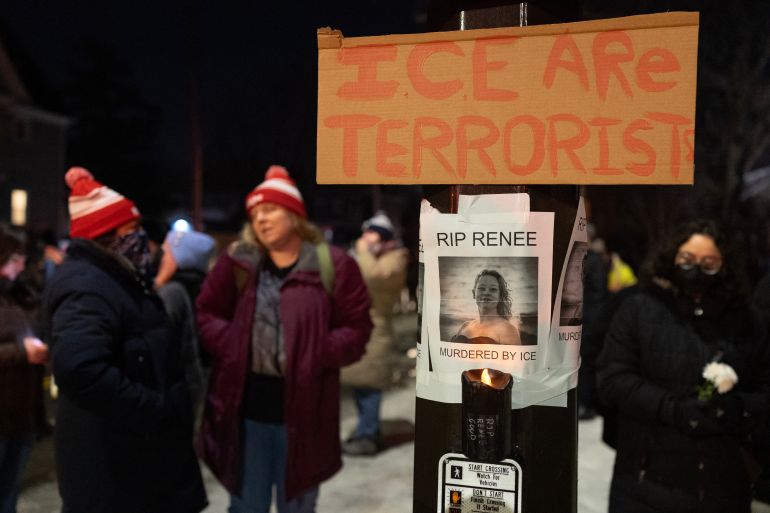
Who is Renee Nicole Good? Understanding the Minneapolis Shooting Tragedy
The recent news regarding the tragic Minneapolis shooting that claimed the life of Renee Nicole Good has ignited a wave of discussion and concern within the community. This blog post delves into the details surrounding her untimely death, the context of the incident, and the broader implications it has for public safety and the dialogue surrounding gun violence.
Renee Nicole Good, a 31-year-old woman from Minneapolis, was shot during an altercation that occurred on January 7, 2026. This incident not only highlights the pressing issue of gun violence in urban areas but also underscores the need for effective community support and intervention strategies. As we explore who Renee Nicole Good was and the events leading to her death, it is important to reflect on the societal implications and the changes that can be made to prevent such tragedies in the future.
Background on the Incident
The shooting incident took place in the Ice District of Minneapolis, an area that has, unfortunately, seen its fair share of violence over the years. According to reports from Al Jazeera, the shooting resulted from a confrontation between two groups. Good was caught in the crossfire, highlighting the often-unpredictable nature of urban violence. As details emerged, the community mourned the loss of a vibrant young woman with a promising future.
Who Was Renee Nicole Good?
Renee Nicole Good was described by friends and family as a dedicated individual who cared deeply about her community. She was involved in various outreach programs aimed at supporting families and young people in Minneapolis, showing her commitment to making a difference. Renee’s passion for activism and support work reflects the qualities of many individuals striving to improve their communities despite the challenges posed by systemic issues.
Prior to her tragic death, she was working towards starting her own non-profit organization focused on mental health awareness, especially among marginalized groups. Friends remember her for her infectious enthusiasm and her desire to uplift others—a stark contrast to the violence that claimed her life.
The Broader Context of Gun Violence
The shooting of Renee Nicole Good is just one incident in a longer narrative of gun violence that plagues American cities. According to the Gun Violence Archive, there was an alarming increase in gun-related incidents in Minneapolis last year, which reflects a troubling trend across the nation. Experts argue that socioeconomic factors, lack of access to mental health resources, and systemic inequalities contribute to the rising violence.
Understanding the complexities surrounding gun violence is essential in crafting effective responses. The community’s grief following Good’s death must translate into actionable change, prompting conversations about policy reform and community safety initiatives. Advocacy groups have urged local authorities to invest in programs that address root causes of violence—such as poverty and lack of opportunity—instead of just reacting to the symptoms.
Community Response
In the aftermath of Renee Nicole Good’s death, community members have come together to honor her memory and push for change. Vigils have been organized, allowing family, friends, and concerned citizens to voice their outrage and sadness over the gun violence epidemic. These gatherings not only commemorate individual lives lost but also serve as a rallying point for community action.
Local leaders have called for enhanced community policing practices and more substantial investment in youth programs, arguing that these steps can help mitigate levels of violence. By helping young individuals find positive outlets and building trust with law enforcement, the hope is to decrease the instances of violent confrontations.
The Role of Public Policy
Public policy plays a crucial role in tackling the problem of gun violence. In response to incidents like the Minneapolis shooting, lawmakers are faced with the challenge of creating laws that both protect Second Amendment rights and promote public safety. This delicate balance is often contentious and requires input from various community stakeholders.
Effective legislation would involve stricter background checks, reassessment of concealed carry laws, and regulations concerning high-capacity magazines. Advocates argue that comprehensive understanding and compassion should lead the charge, ensuring that laws reflect both the rights of individuals and the need for community safety.
Looking Forward
As Minneapolis grapples with the impact of Renee Nicole Good’s death, pressing questions regarding how to address gun violence remain. It is crucial to acknowledge that while laws can provide a framework for safety, lasting change must also stem from a collective shift in societal attitudes towards violence, community, and mental health support.
Renee’s legacy can inspire action and change, reminding us all that gun violence has real, human consequences, and that every life taken adds to the collective grief experienced by families and communities. The journey towards a safer society is long and challenging, but through unity, awareness, and advocacy, it is a path that can potentially lead to meaningful progress.
In conclusion, the life and untimely death of Renee Nicole Good may serve as a pivotal moment for Minneapolis, a call to action not only to remember her but to elevate community voices, foster open dialogues regarding public safety, and work collectively towards a world where such tragedies become a thing of the past.