


The USS Iwo Jima: A Historic Naval Vessel
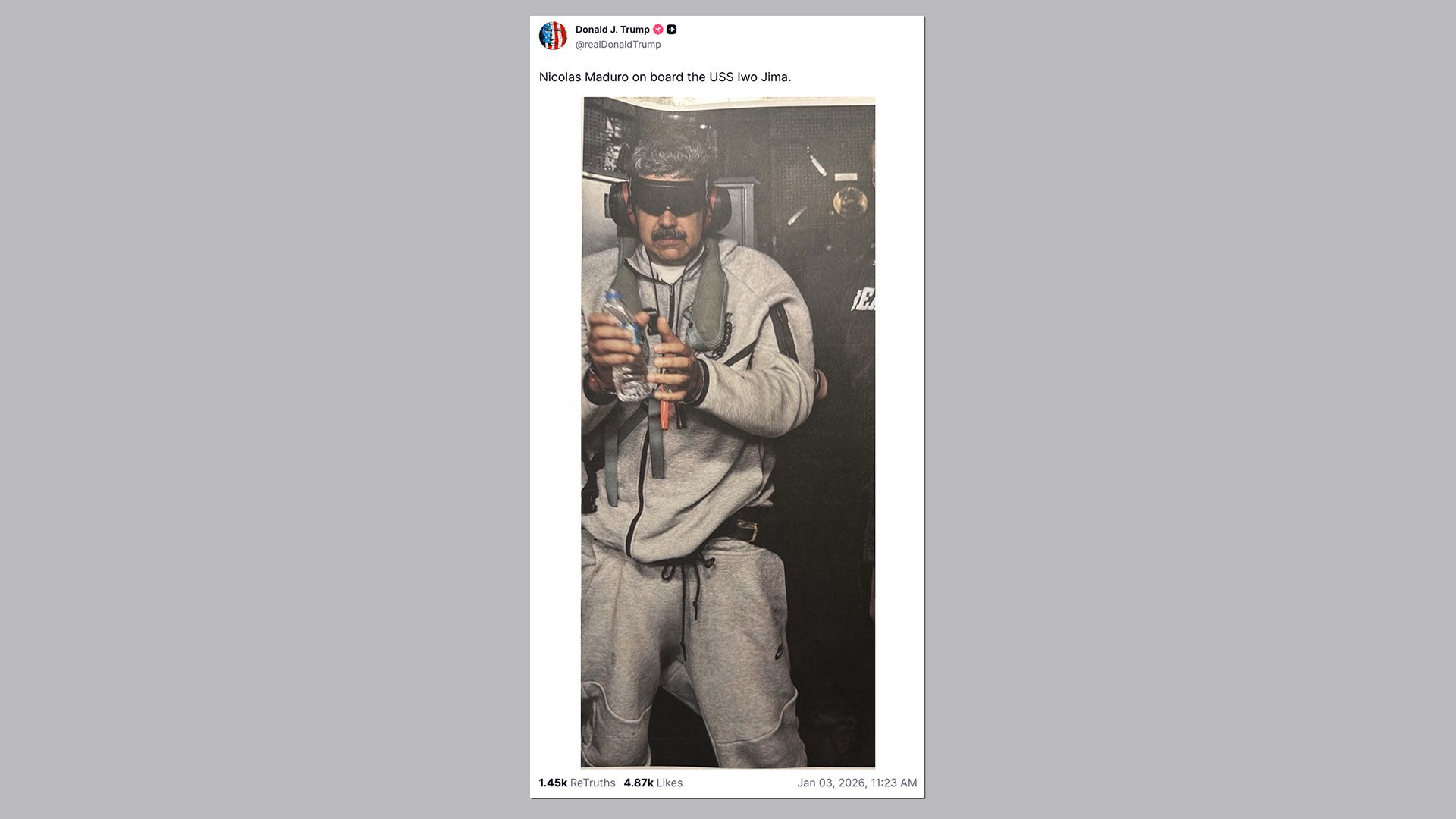
The USS Iwo Jima has played a pivotal role in the United States Navy, serving not only as a military vessel but also as a symbol of resilience and innovation. As we delve into the importance of the USS Iwo Jima, we can draw parallels to recent developments in geopolitical affairs, specifically concerning figures like Nicolás Maduro. One might ask, why was Maduro captured? This question involves complexities of international relations, military strategy, and the implications of historic symbols such as the USS Iwo Jima.
The Role of the USS Iwo Jima in Military History
Commissioned in 1961, the USS Iwo Jima, an amphibious assault ship, was initially designed to transport Marines and their equipment to battle zones, particularly in conflicts like the Vietnam War. Throughout its active years, it has participated in numerous operations, showcasing the United States’ commitment to global security and humanitarian efforts. The ship is named after the iconic Battle of Iwo Jima during World War II, where U.S. forces fought valiantly against Japanese troops.
This historical background sets the stage for understanding the significance of the Iwo Jima in contemporary discussions about military intervention and governance. Operating in various capacities, the vessel has seen deployments in times of conflict and peace, always remaining a versatile asset in the U.S. Navy’s fleet.
Understanding the Capture of Nicolás Maduro
In very recent news, discussions around the capture of Nicolás Maduro have resurfaced the question of international law and military intervention. Maduro, the controversial president of Venezuela, has been at the center of international scrutiny for his authoritarian grip on power and the political turmoil in Venezuela. The dynamics of his capture would not only reflect upon U.S. foreign policy but also the implications of past military engagements, much like those associated with the USS Iwo Jima.
Understanding why was Maduro captured involves grasping the broader context of the humanitarian crises in Venezuela, where millions face dire living conditions. The potential consequences of military action against Maduro raise various ethical and strategic questions, reminiscent of the debates that surrounded past military operations.
The Ethical Implications of Military Action
The prospect of capturing a head of state, especially one accused of human rights abuses, poses significant ethical dilemmas. The ethos surrounding military action, particularly in the modern age, pushes for considerations beyond mere strategic advantages. Drawing a parallel to the actions taken by American forces throughout the history of the USS Iwo Jima, military operations today necessitate a careful balancing act of power, ethics, and public perception.
HR professionals and business leaders must recognize that while military strategies are often discussed in the context of national security, they echo into the corporate world in terms of crisis management and reputation. Just as the Navy must consider its actions’ implications, businesses must also weigh the repercussions of their corporate social responsibilities.
The Role of AI in Modern Military and Business Strategies
As the landscape of both geopolitical and business strategies evolves, the integration of technology, especially Artificial Intelligence (AI), cannot be ignored. AI consulting firms are pivotal in leveraging technological advancements to enhance operational efficiency. Similar to how AI can optimize workflows, the strategies involving actions like capturing Maduro must also integrate advanced analysis and real-time decision-making.
Incorporating AI into military strategy signifies a move towards data-driven operations, allowing for careful planning and execution, much like what businesses strive for with tools such as n8n workflows to automate processes. The combination of streamlined decision-making and the rapid pace of AI engagement shapes how we perceive effective operations today.
Exploring n8n Workflows in Business Automation
n8n is an open-source workflow automation tool that provides a robust solution for businesses seeking to optimize their processes. Enabling seamless connectivity between various applications, it allows teams to automate tasks that traditionally consumed significant time and resources. Similar to military strategies that emphasize efficiency and responsiveness, businesses can achieve heightened productivity by adopting such workflows.
For HR professionals and business leaders looking to refine their operations, implementing tools like n8n can lead to real-time insights and enhanced collaboration. The processes observed in military engagements can parallel the strategies businesses employ to redefine their operational landscape, showcasing the importance of both agility and technological adaptation.
Conclusion: Reflecting on Military History and Business Strategies
The discussion surrounding the USS Iwo Jima and the potential capture of Nicolás Maduro serves as a profound reminder of the intricate ties between military actions and global governance. As we navigate these topics, it’s essential to acknowledge the historical lessons learned from past military engagements and how they can influence our modern-day operations, whether in the military or business environments.
The concepts of efficiency, ethical considerations, and the integration of AI and automation tools like n8n are central to fostering informed decisions in any field. As we venture forward, let’s harness our understanding of history to shape our future strategies—balancing power with accountability, innovation with tradition, and action with reflection.