


Understanding the 2026 Doomsday Clock: Implications and Insights
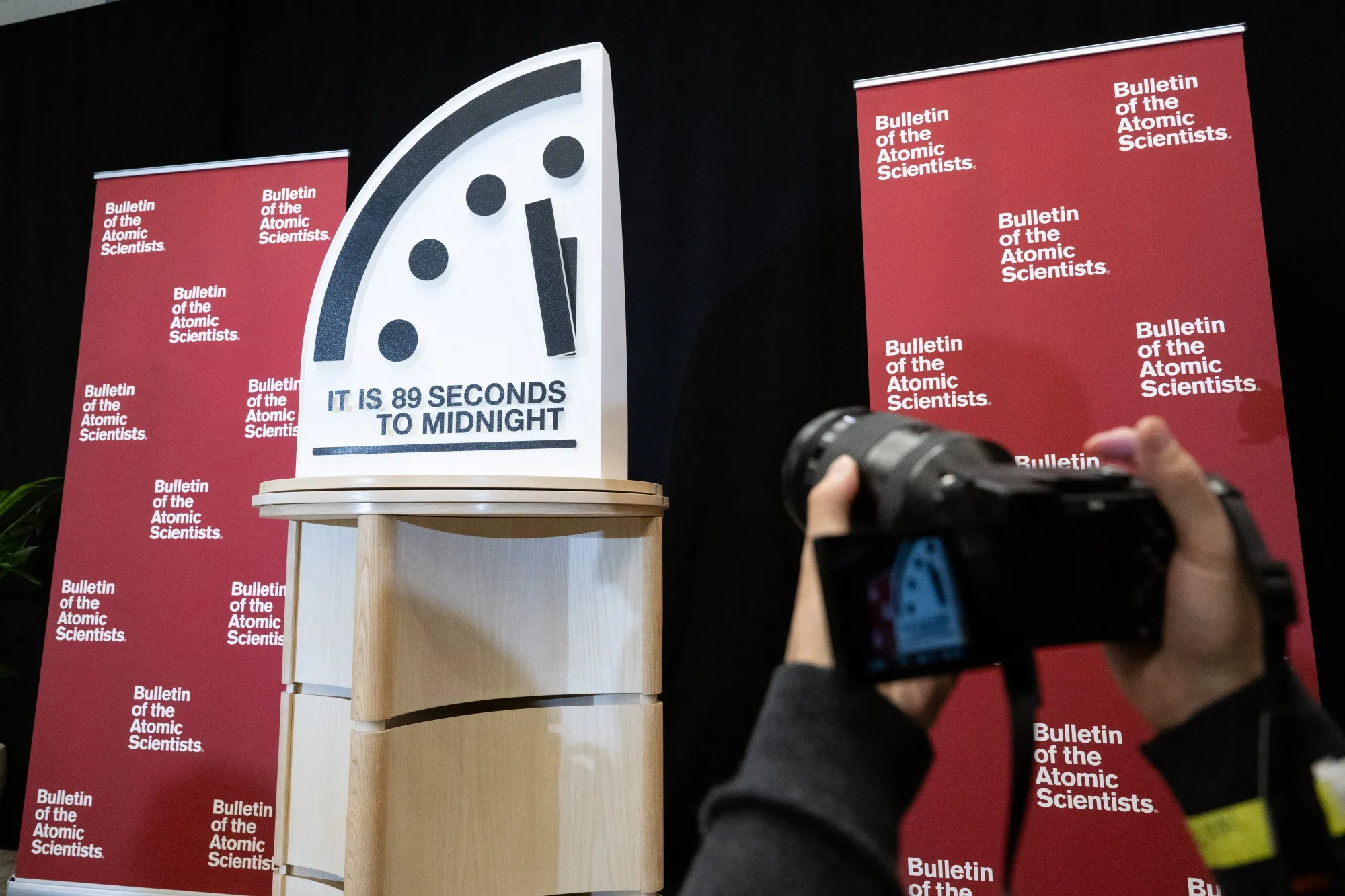
The Doomsday Clock has piqued the interest of scholars, policymakers, and the general public for decades, representing a symbol of urgency regarding global catastrophe. As we dive into 2026, the Clock stands alarmingly at 85 seconds to midnight, marking the closest humanity has ever been to global disaster. With the announcement made on January 27, 2026, by the Bulletin of the Atomic Scientists, this pivotal moment paves the way for significant discussions about our future and the various existential threats we face.
The Significance of the Doomsday Clock
The Doomsday Clock is more than just a metaphor; it serves as a warning. Established in 1947, the Clock symbolizes the ongoing threats of nuclear weapons, climate change, and other catastrophic events that could lead humanity to its end. Each year, the Bulletin reviews these dangers, deliberating on whether to move the Clock closer to or further from midnight based on global developments.
2026: A Year of Increased Tension
The move to 85 seconds comes after significant global incidents, including escalating military conflicts, rampant climate change effects, and advancements in irresponsible biotechnology. Each of these factors contributes to the overall sense of insecurity felt worldwide.
Climate change, for instance, has become an undeniable reality, with record-breaking temperatures, devastating wildfires, and floods altering landscapes and livelihoods. This year’s CNN report emphasized that environmental destruction and geopolitical tensions are closely intertwined, amplifying the urgency conveyed by the Doomsday Clock’s current position.
The Science Behind the Clock
The decision-making process leading to the Clock’s adjustments is rooted in scientific analysis. A group of experts evaluates key factors, including nuclear arsenals, environmental crises, and even public health challenges in the wake of a pandemic. Understanding how these threats interconnect helps bolster evidence for the Clock’s time adjustment, reflecting a consensus on imminent danger.
For instance, in a recent study discussed by Bloomberg, the urgency regarding nuclear proliferation was highlighted, identifying how rapid advancements in technology can lead to catastrophic escalation. The alarm signals exemplified by the Clock are intended to prompt larger conversations at political and social levels to inspire proactive measures.
Understanding Risks: Public Perception and Action
Public engagement with the Doomsday Clock has intensified, sparking myriad responses from various sectors. The recent change is not just a statistic but a rallying point, encouraging communities to advocate for policy changes. Experts argue that awareness is fundamental; understanding the Clock’s implications empowers the public to demand action.
HR professionals and business leaders need to acknowledge their role in these ongoing discussions. As individuals within the corporate landscape, there is a responsibility to ensure sustainable practices within operations, advocating for environmental stewardship while addressing social responsibilities.
Bridging AI Innovations with Sustainable Practices
In these challenging times, companies need to pivot towards innovation, using tools like artificial intelligence (AI) and workflow automation systems, such as n8n, to streamline operations. Implementing efficient workflows not only aids in internal systems but can also lead to wider societal contributions, such as reducing carbon footprints and improving disaster response protocols.
HR departments can leverage AI to promote sustainability initiatives within organizations and foster a culture of accountability and proactive engagement regarding environmental issues. Understanding the balance between technological advancements and responsible corporate behavior is crucial in dismantling the imminent threats highlighted by the Doomsday Clock.
Looking Ahead: The Path Forward
The current setting of the Doomsday Clock requires an introspective approach to assessing how we as a global community can ensure a safer, more sustainable future. While the Clock ticks on, it reminds humanity that time is not on our side. Now is the moment for collective action and transformational change.
Business processes that incorporate conservation and sustainability will yield innovations that not only create better workflow efficiencies but also align with wider societal goals. Embracing these transformations reflects not merely a response to urgency but a profound responsibility towards future generations.
Final Thoughts on the Doomsday Clock 2026
As we venture further into 2026, the implications of the Doomsday Clock act as a critical reminder of our vulnerabilities and the collective efforts required to rewrite the narratives of despair into ones of hope and action. Each stakeholder has a role to play in addressing these formidable threats. The distance between survival and extinction narrows as seconds tick away, urging us to prioritize the actions necessary to safeguard our shared future.
For more in-depth information and updates about the Doomsday Clock, the full statement can be accessed through the Bulletin of the Atomic Scientists. Embrace the dialogue, educate yourself on these pressing matters, and contribute to the global movement aimed at incrementally pushing the hands of the Clock away from midnight.
In summary, the ticking of the Doomsday Clock should not induce panic but rather ignite a wave of proactive, informed actions that can potentially alter the course of what lies ahead as we navigate the complexities of our modern reality.