
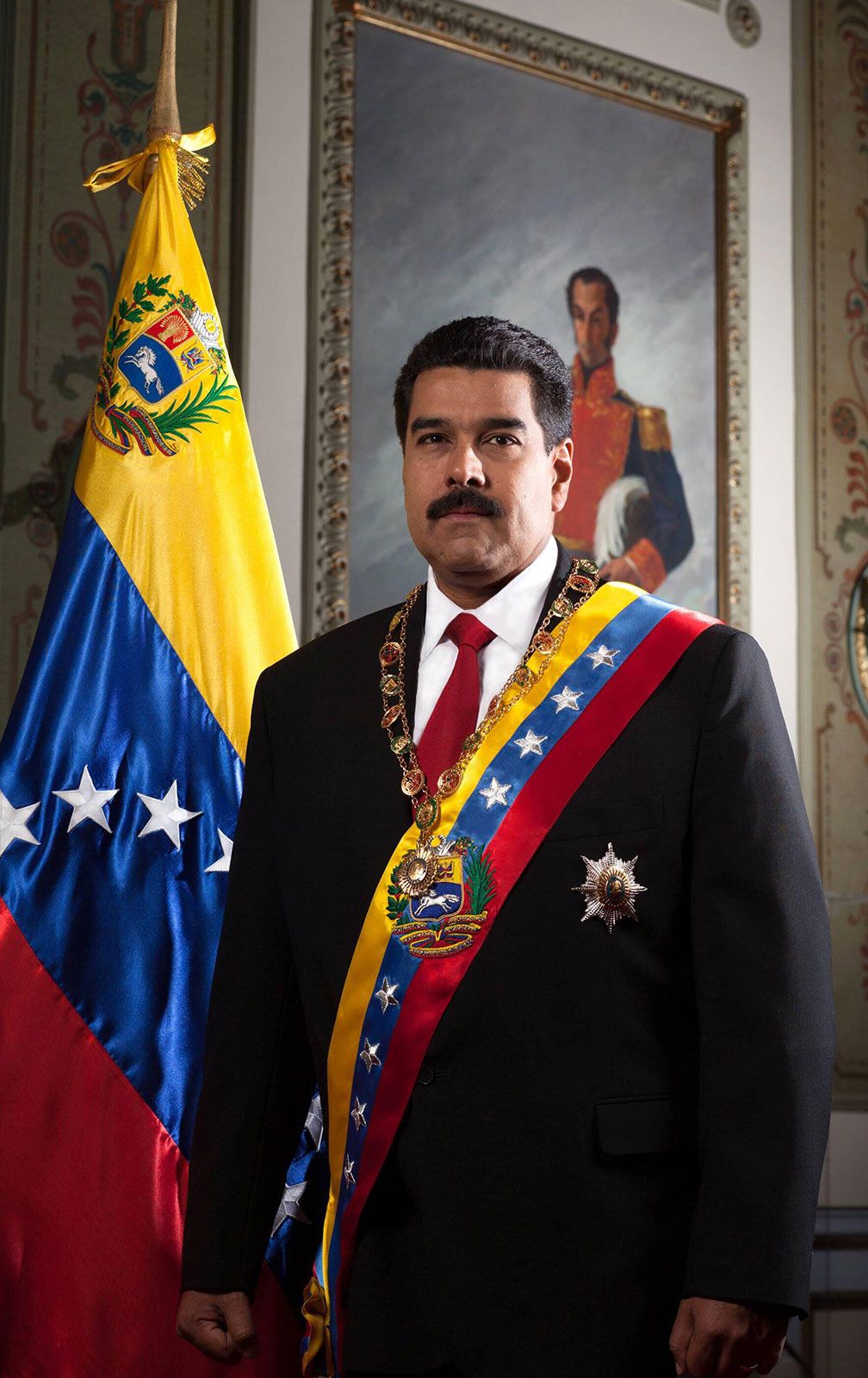
Nicolas Maduro: Who is the President of Venezuela?
Nicolas Maduro has been a prominent figure in Venezuelan politics since assuming the presidency in 2013. His tenure, marked by significant economic and humanitarian crises, has drawn both national and international scrutiny. In this blog post, we will explore Maduro’s rise to power, his leadership style, and the current state of Venezuela under his presidency, providing a comprehensive overview that aims to inform the reader fully.
Early Life and Political Ascent
Nicolas Maduro was born on November 23, 1962, in Caracas, Venezuela. His early career began in the transportation sector as a bus driver, which gave him a unique perspective on the lives of ordinary Venezuelans. He became involved in politics through trade union activities and eventually joined the United Socialist Party of Venezuela (PSUV), founded by his predecessor, Hugo Chávez.
Maduro’s political journey accelerated following the death of Hugo Chávez in 2013. Originally appointed as Foreign Minister, he was thrust into the presidential race and emerged victorious in a closely contested election. His victory can be attributed to Chávez’s enduring legacy, as well as his ability to rally the PSUV’s support base, mostly comprised of working-class citizens.
Leadership Style and Controversies
Maduro’s leadership style is often described as authoritarian. He has faced criticism for his handling of dissent and his approach to governance, including the jailing of political opponents and the limitations placed on the press. These actions have sparked widespread protests and a humanitarian crisis, as the economic downturn has left millions without access to basic needs such as food and medicine.
One of the most significant controversies surrounding Maduro’s presidency occurred during the elections of 2018, which many observers deemed illegitimate. Despite the international community’s widespread condemnation and calls for new elections, Maduro maintained that he had won fairly and continued to consolidate his power.
Evolving Economic Landscape
The Venezuelan economy has deteriorated significantly under Maduro’s rule, primarily due to a heavy reliance on oil revenues and government mismanagement. Oil prices plummeted, triggering a cascading effect on the economy. Hyperinflation has been a critical issue, with the IMF estimating inflation rates surpassing 10,000,000% in recent years.
Despite these challenges, Maduro has attempted various strategies to stabilize the economy, including the creation of a cryptocurrency called the Petro, intended to circumvent U.S. sanctions and attract foreign investment. However, critics argue that these efforts have yielded limited results and often serve as a way to further entrench his government’s control.
International Relations and Sanctions
Maduro’s presidency has significantly shifted Venezuela’s international relations. While he has fostered ties with countries such as Russia and China, he has faced aggressive sanctions from the United States and many Western nations. These sanctions target key sectors of the economy and individual officials, including Maduro himself, further complicating the country’s crisis.
The U.S. has labeled Maduro’s government as a dictatorship and has openly supported opposition leader Juan Guaidó, who proclaimed himself interim president in 2019. This complex international dynamic has left Venezuela isolated on the world stage, faced with humanitarian challenges that have led to mass migration and suffering among its citizens.
The Humanitarian Crisis
The humanitarian crisis in Venezuela has reached alarming levels. According to reports from the United Nations, millions of Venezuelans are in urgent need of humanitarian assistance, including food, clean water, and healthcare. The continued economic hardship, coupled with political instability, has forced over five million people to flee the country in search of better opportunities.
This mass exodus has resulted in significant demographic changes in neighboring countries, and those fleeing often encounter xenophobia and hardship upon arrival. The plight of Venezuelan migrants is a humanitarian issue that has garnered attention from various international organizations and governments, yet solutions remain elusive.
Looking Towards the Future
The future of Venezuela under Maduro remains uncertain. Continued political strife, economic challenges, and an ongoing humanitarian crisis paint a grim picture for many. However, the resilience of the Venezuelan people might lead to eventual changes in governance.
In conclusion, Nicolas Maduro, the president of Venezuela, embodies the complexities of modern leadership amid turmoil. As the nation grapples with its past and present, the future will undoubtedly depend on both political reform and the will of its citizens to seek a better life. For more detailed insights into Maduro’s life and his impact on Venezuela, you can explore this Britannica article.