



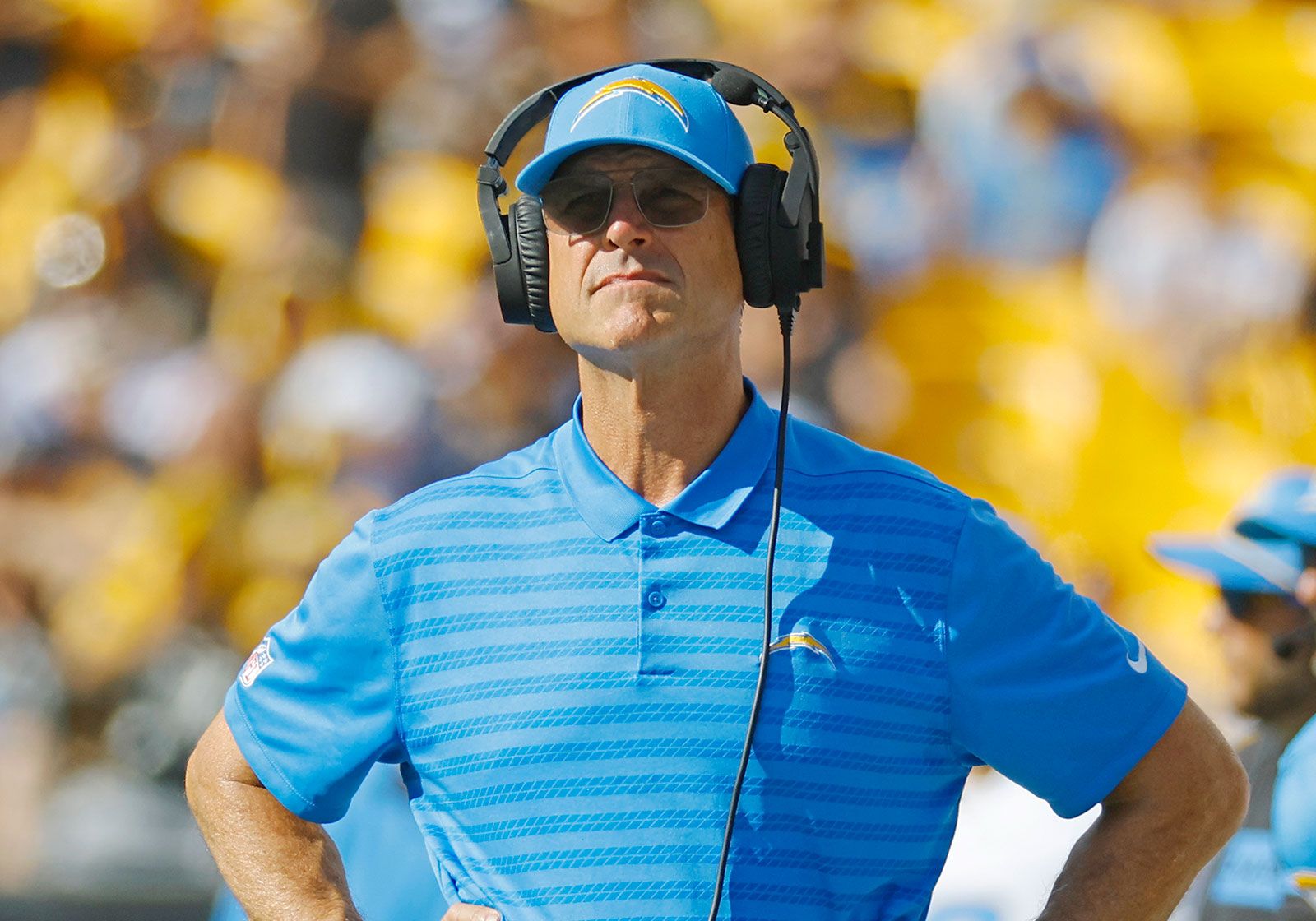
Jim Harbaugh: A Football Visionary
Jim Harbaugh, a name synonymous with success in American football, has left a remarkable imprint in the sport, both on and off the field. Known for his fierce competitiveness and innovative coaching style, Harbaugh has transformed teams and inspired players at all levels of the game. In this blog post, we delve into Harbaugh’s life—exploring his journey from a legendary quarterback to a celebrated coach, and discuss his impact in the world of football.
Early Life and Playing Career
Born on December 23, 1963, in Toledo, Ohio, Jim Harbaugh was raised in a family that valued sports and competition. His father, Jack Harbaugh, was a football coach, which perhaps foreshadowed Jim’s future in the sport. Harbaugh attended the University of Michigan, where he played as a quarterback from 1983 to 1986. During his time at Michigan, he led the Wolverines to a victory in the 1986 Rose Bowl and earned a degree in communications, setting the foundation for his future coaching career.
Following college, Harbaugh entered the NFL, where he had a successful playing career that spanned 14 seasons (1987-2000). He played for several teams, including the Chicago Bears, Indianapolis Colts, and Baltimore Ravens. Harbaugh’s tenacity and leadership on the field were key factors that contributed to his teams’ successes. He has always been recognized for his ability to analyze plays and make quick, strategic decisions—traits that would later define his coaching philosophy.
Transition to Coaching
After retiring from professional football, Harbaugh quickly transitioned into coaching. He began his career in 2002 as a quarterback coach for the Oakland Raiders. His analytical approach caught the eye of several football programs, and he soon moved to the University of San Diego, where he enjoyed unprecedented success. Under his leadership, the Toreros achieved a 29-6 record and were ranked among the best Football Championship Subdivision (FCS) programs in the nation.
Success at Stanford University
In 2007, Harbaugh was hired as the head football coach at Stanford University. During his tenure, he turned a struggling program into a national powerhouse. The highlight of his Stanford career came in 2010 when the Cardinal won the Orange Bowl, marking the program’s first BCS bowl victory. Harbaugh’s innovative offensive strategies and emphasis on player development helped elevate Stanford to new heights, showcasing his ability to transform and rejuvenate football programs.
Coaching the San Francisco 49ers
Harbaugh’s success at Stanford led to his hiring by the San Francisco 49ers in 2011. His impact was immediate; in just his second season, Harbaugh led the 49ers to the Super Bowl, where they narrowly lost to the Baltimore Ravens. During his tenure, Harbaugh instilled a defensive-minded approach to the team, coupled with a dynamic offense that emphasized physical play. He took the 49ers to three consecutive NFC Championship games and played a crucial role in developing quarterback Colin Kaepernick into a premier NFL player.
Return to Michigan
In 2015, Harbaugh made a much-publicized return to the University of Michigan as the head football coach. His arrival reignited enthusiasm among the Wolverines’ fan base, inspiring hopes of a national championship. Harbaugh has managed to revitalize Michigan’s program, bringing back the competitive spirit that previously defined it. His focus on recruiting top talent and building a cohesive team culture has made the Wolverines a formidable opponent in the Big Ten Conference.
Innovative Coaching Style
What sets Jim Harbaugh apart is not just his track record of success, but his innovative coaching style. He emphasizes a combination of analytical strategies and emotional intelligence, leveraging technology and data analytics to enhance player performance and decision-making. This approach has become increasingly relevant in modern sports. Harbaugh encourages open communication, fostering trust and understanding between coaches and players, which is essential for team dynamics.
The Legacy Continues
As we look towards the future, Jim Harbaugh’s impact on football continues to resonate. His journey from a skilled quarterback to a celebrated coach illustrates the importance of resilience, innovation, and passion in achieving success. Whether you are an aspiring coach, a player, or a fan of the game, Harbaugh’s legacy serves as a powerful reminder of what can be accomplished with dedication and hard work.
For more in-depth information on Jim Harbaugh, visit Britannica.