



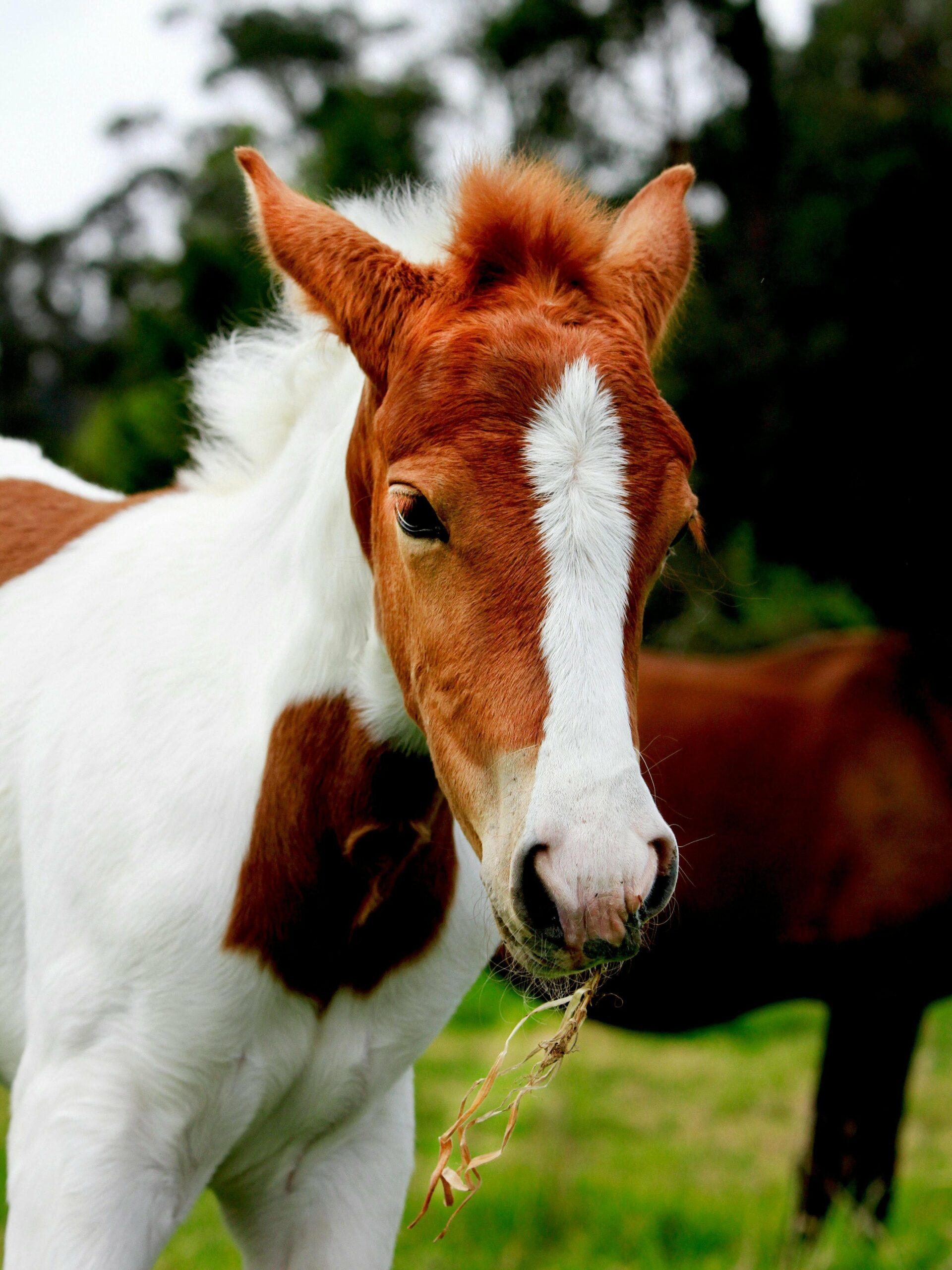
Exploring the World of Fillies: Insights and Guidance
The term filly refers to a young female horse, specifically one that is not yet fully matured. Understanding the nuances of fillies is crucial for anyone involved in equestrian management, breeding, or simply for those who hold a deep appreciation for horses. In this guide, we will delve into the unique characteristics of fillies, their training needs, and how they differ from other equines.
What is a Filly?
A filly is defined as a young female horse that is typically under four years old. After reaching this age, a filly becomes known as a mare. Fillies are often characterized by their playful and energetic dispositions, making them exciting to work with.
Understanding the life stages of horses is essential for breeders and trainers. Fillies grow rapidly, and their care will vary significantly based on their age and development. The first few years of their lives are critical for setting the foundation for their future behavior, performance, and health.
Physical Characteristics of Fillies
Fillies share many physical traits with their male counterparts, but there are key differences that set them apart. Typically, fillies are slightly smaller and lighter than colts (young male horses). However, as they mature, their muscles develop significantly, leading to a strong and agile body suitable for various equestrian activities.
- Height: On average, fillies in the equestrian community grow anywhere from 14 to 17 hands tall.
- Weight: Their weight can vary greatly, although most fillies will weigh between 900 to 1200 pounds when fully grown.
- Coat Color: Fillies can be found in a variety of colors including bay, gray, chestnut, and black.
Behavioral Traits
Fillies are often known for their spirited behavior. They tend to be curious and high-energy, which can be both a blessing and a challenge for owners and trainers. Training fillies requires a gentle yet firm approach to help them learn to manage their energy effectively.
Many trainers find that consistency is key when working with fillies. Establishing trust and a bond early on allows them to become more responsive to commands and training techniques. This focus on relationship-building is essential, especially as fillies reach maturity and may become more independent and strong-willed.
Training and Care Tips for Fillies
Training fillies effectively is an art form that requires time, patience, and knowledge. Here are some tips and strategies to consider when working with these young horses:
- Start Early: Ideally, training should begin when the filly is a foal or at a very young age. This will ensure that they become familiar with human interaction and the basics of their future training.
- Socialization: Expose fillies to different environments, people, and other horses. This socialization will help them adapt to the unpredictability of life outside their comfort zone.
- Positive Reinforcement: Utilize reward-based training methods. Positive reinforcement helps encourage desired behaviors while building a strong bond of trust.
- Routine and Consistency: Establish a consistent training schedule. Fillies thrive on routine, and consistent training helps them learn faster.
- Health Care: Regular vet check-ups, vaccinations, and a balanced diet are crucial for a filly’s growth and well-being. Ensure they get adequate nutrition tailored to their developing body.
Common Health Concerns for Fillies
Like all young animals, fillies are susceptible to various health issues. Understanding these can aid in early detection and treatment. Some common concerns include:
- Growth Disorders: Fillies are prone to developmental orthopedic disease due to rapid growth patterns. Regular veterinary check-ups can help monitor this.
- Skin Conditions: Young horses often face skin irritations, particularly if exposed to harsh environmental conditions.
- Respiratory Issues: Fillies can develop respiratory issues from allergies or overexposure to dust, so ensure their living conditions are clean and well-ventilated.
The Importance of Nutrition
Proper nutrition is essential for a filly’s growth and overall health. Their dietary needs change as they grow, so it’s vital to adapt their diet accordingly. A mix of hay, grains, and supplements can support their nutritional requirements.
Incorporating minerals such as calcium and phosphorus is particularly important during their growth stages. Consult with a veterinarian or equine nutritionist to develop a balanced diet tailored to your filly’s specific needs.
Conclusion
Understanding fillies is key to successful management and training. These young females have the potential to develop into well-mannered and capable mares with the right guidance and care.
For those looking to dive deeper into the world of fillies, consider resources such as Wild Jolie’s Filly Guide, which provides insights into their integration into equestrian life.
Investing time and effort in working with a filly can yield long-term rewards in building a strong and cooperative partnership, making them not only valuable companions but also remarkable athletes in their own right.