



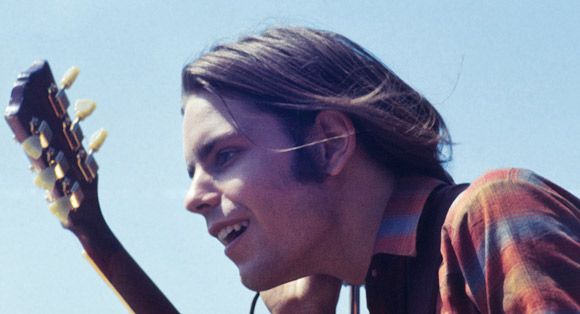
Exploring the Legacy of Bob Weir: The Heartbeat of the Grateful Dead
In the world of rock and roll, few names resonate as profoundly as Bob Weir. As the iconic rhythm guitarist and co-founder of the Grateful Dead, Weir’s contributions to music and culture have left an indelible mark on generations of fans. His unique playing style, coupled with his deep understanding of improvisation, has shaped not only the sound of the Grateful Dead but also influenced countless artists across genres. In this blog post, we delve into Weir’s career, his importance within the band, and how his legacy continues to thrive today.
Early Life and Musical Beginnings
Bob Weir was born on October 16, 1947, in San Francisco, California. Growing up in the vibrant music scene of the Bay Area, Bob was exposed to various musical styles. His family encouraged creativity, and by the age of 15, Weir had picked up the guitar. It wasn’t long before he crossed paths with Jerry Garcia, a meeting that would change the course of his life. The duo, along with other local musicians, formed the Grateful Dead in 1965, laying the foundation for what would become a cultural phenomenon.
Innovative Musical Contributions
Weir’s role in the Grateful Dead was not just limited to his guitar work. He was an essential songwriter, crafting some of the band’s most beloved songs such as “Sugar Magnolia,” “Uncle John’s Band,” and “Playing in the Band.” His style is characterized by a combination of folk, rock, country, and blues, which helped to create the unique sound that the Grateful Dead became famous for. Weir’s ability to meld different genres showcased his versatility and creativity as a musician.
Live Performances and the Art of Improvisation
The Grateful Dead gained fame for their live performances, often extending songs into lengthy improvisational jams. Weir’s rhythm guitar playing provided the backbone of these performances. His willingness to explore new musical territories during concerts created an atmosphere of spontaneity and excitement. The band’s approach to live shows began a new chapter in rock music, encouraging fans to embrace the unknown and enjoy the experience over a structured performance.
The Community and Culture of the Grateful Dead
One of the most captivating aspects of the Grateful Dead phenomenon is the community that formed around the band. Known as “Deadheads,” fans have demonstrated an unparalleled devotion, traveling from show to show in a quest for musical experience. Weir, along with Garcia and the rest of the band, regarded their relationship with fans as a crucial element of their music. This community became a significant part of rock culture, creating a sense of belonging that transcended the music itself.
Bob Weir’s Solo Ventures and Collaborations
While the Grateful Dead remained central to Weir’s career, he has pursued numerous solo projects and collaborations throughout the years. His solo albums, including “Ace” and “Blue Mountain,” showcase his distinct style while embracing themes of personal growth. Collaborating with various artists, including Phil Lesh and RatDog, Weir has continued to evolve musically, ensuring that his sound remains fresh and relevant.
The Grateful Dead’s Legacy and Bob Weir’s Role in It
After the passing of Jerry Garcia in 1995, the Grateful Dead transitioned through various iterations, including The Dead & Company, which features Weir alongside John Mayer and other musicians. Weir has remained a prominent figure in preserving the legacy of the band, consistently honoring its roots while introducing new audiences to its music. His ongoing efforts exemplify the dedication to craftsmanship that has defined his career.
Conclusion: A Bright Future Ahead
As we look forward, Bob Weir’s impact on music and culture is undeniable. His ability to connect with audiences and innovate within the framework of the Grateful Dead continues to inspire new musicians and fans alike. The rhythm of the Grateful Dead, embodied by Weir’s guitar work, will always remind us of the beauty in collaboration, community, and the ever-changing landscape of music.
For those interested in a more profound exploration of Bob Weir’s legacy, you can check out articles like this one from The New Yorker.