


Doomsday Clock in 2026: Understanding Its Significance
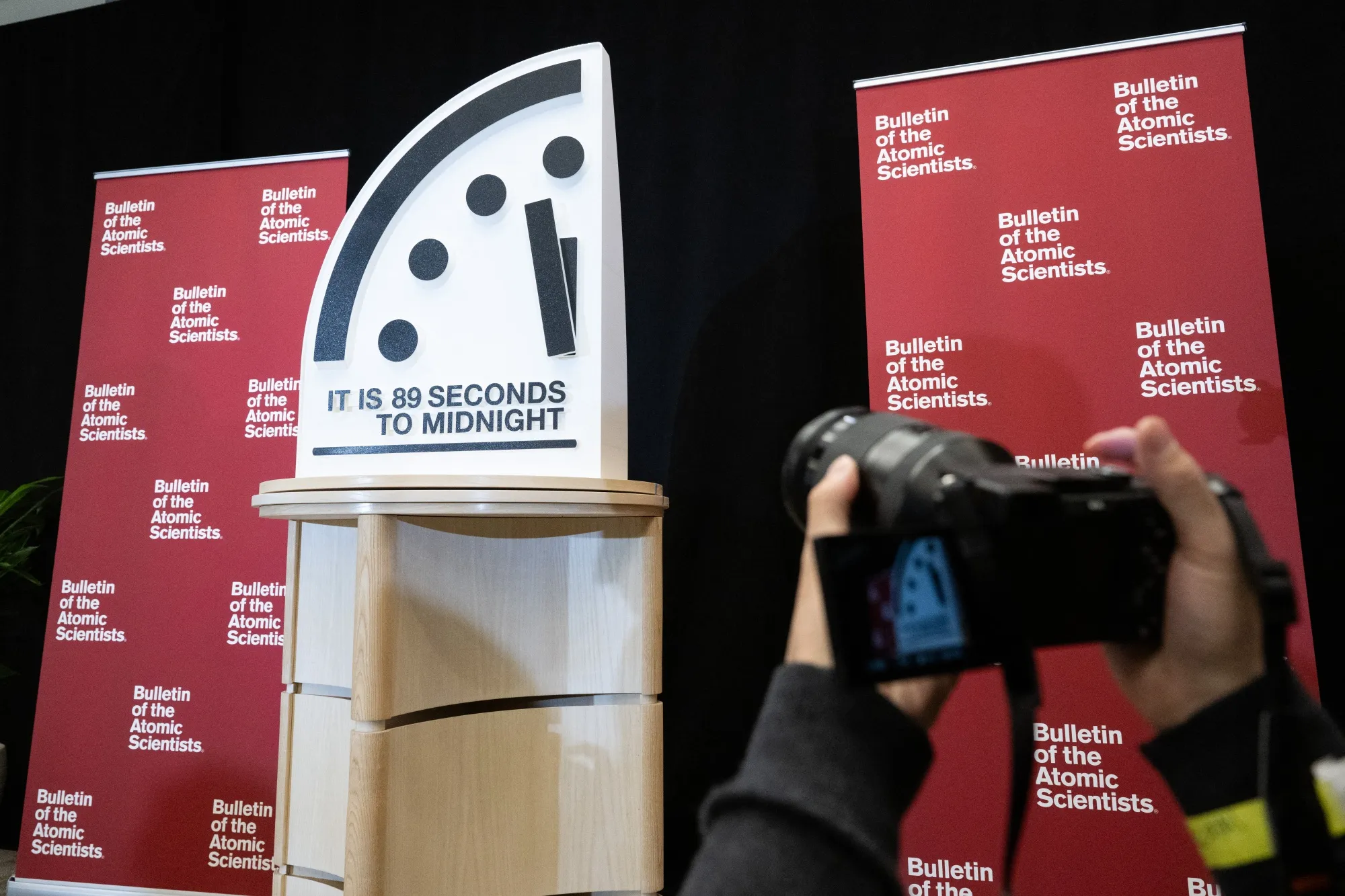
The Doomsday Clock is a symbolic representation created by the Bulletin of the Atomic Scientists (BAS) that measures how close humanity is to self-destruction through various global catastrophic risks, including nuclear threats and climate change. As we plunge deeper into 2026, the hands of the Doomsday Clock stand at 85 seconds to midnight, the closest it has ever been since its inception in 1947. This alarming reality forces us to reflect on our current global situation and the steps necessary to mitigate impending dangers.
The Meaning Behind the Time Setting
The recent adjustment to the Doomsday Clock occurred on January 27, 2026, when scientists from the BAS moved the hands forward by four seconds, presenting a stark warning to governments and the public alike regarding the growing threats we face. The Doomsday Clock’s time serves as a metaphor for the potential for civilization’s downfall and serves as a rallying point for those advocating for the cessation of dangerous global policies and practices.
An article by Bloomberg emphasizes that dismissing the significance of the 2026 Doomsday Clock adjustment could be perilous. It argues that a combination of geopolitical tensions, technological advancements, and environmental crises collectively contribute to an uncertain future.
Historical Context of the Doomsday Clock
Since its establishment, the Doomsday Clock has undergone several adjustments. The furthest it has been from midnight was 17 minutes in 1991, after the Cold War ended and nuclear arsenals were reduced. Conversely, the clock has been set at only two minutes until midnight on multiple occasions, including in 1953 after the U.S. and USSR conducted hydrogen bomb tests. The changing time reflects the political, environmental, and social climate of the times.
According to University of Chicago News, this year’s adjustment is part of a concerning trend that shows no signs of abating. With the Ukraine conflict highlighting the instability of international relations and nuclear preparedness, the 2026 Doomsday Clock stands as a reminder of the ever-looming threat of nuclear warfare and global discord.
Current Global Challenges
The world is experiencing myriad challenges that heighten the urgency of the 2026 Doomsday Clock setting. These challenges include:
- Nuclear Proliferation: Ongoing tensions between nuclear powers continue to exacerbate fears of armed conflict. The situation in Eastern Europe has heightened awareness of the potential for nuclear weapons use. Negotiations and diplomatic interventions are crucial in reducing these risks.
- Climate Change: Climate-related disasters are increasing globally, with extreme weather events becoming more frequent. The NASA study reveals that climate change impacts are accelerating, affecting millions of lives.
- Emerging Technologies: Rapid advancements in artificial intelligence (AI) and biotechnology present both opportunities and threats. Responsible governance of these technologies is essential to prevent misuse that could lead to catastrophic outcomes.
Call to Action
The 2026 Doomsday Clock serves as both a warning and a clarion call for action to business leaders, policymakers, and individuals worldwide. To address the threats highlighted by the Doomsday Clock, collective action is crucial. This includes:
- Enhancing Diplomatic Efforts: Global cooperation is essential to mitigate geopolitical tensions. Diplomatic channels must remain open to resolve disputes and prevent conflicts from escalating.
- Climate Action: Immediate action is necessary to address climate change. Businesses must adopt sustainable practices, and governments should implement policies that prioritize environmental stewardship.
- Responsible AI Deployment: Technology leaders and corporations must prioritize ethical AI deployment to ensure innovations benefit humanity rather than pose risks.
Conclusion
The urgency highlighted by the 2026 Doomsday Clock invites us to rethink our global priorities. We must work collaboratively across borders, industries, and communities to make sustainable choices that shape a more secure future. The ramifications of ignoring the ticking clock are dire; humanity must rally to ensure that we move the hands away from midnight and towards a hopeful horizon.
For more insights on the Doomsday Clock and its implications, stay informed by following resources like the Bulletin of the Atomic Scientists and their annual statements on the clock’s status.