

What Happened to Don Lemon?
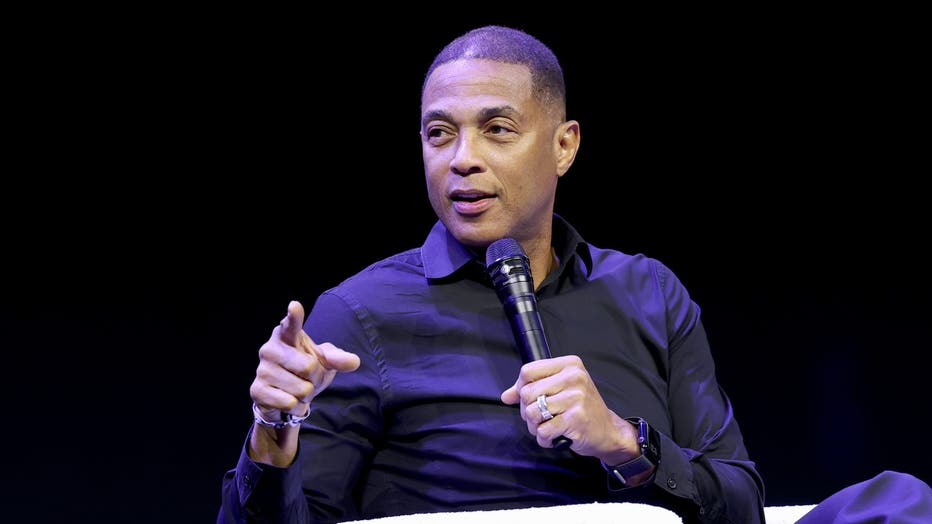
On January 30, 2026, renowned former CNN anchor Don Lemon was taken into custody in Los Angeles, where he was covering the Grammy Awards. His arrest was linked to his involvement in a protest against Immigration and Customs Enforcement (ICE) at a Minnesota church earlier in January 2026. The incident has sparked widespread media coverage and public discussions around the implications of Lemon’s arrest in the context of press freedom and civil rights.
The Details of the Incident
According to reports from Fox9, Lemon was charged with federal civil rights crimes after he was involved in a protest aimed at defending the rights of undocumented immigrants. His attorney stated that Lemon was performing his duties as a journalist, which complicates the legal interpretations of his arrest. During the protests, which took place at a church service disrupted by anti-ICE activists, tensions escalated concerning how law enforcement handles such protests.
Media Reactions and Public Sentiment
The media reaction has been one of shock, especially given Lemon’s prominence in journalism. His colleagues and fans took to social media to express their support. Many stated that his arrest raises concerning questions about the treatment of journalists covering sensitive social issues. Lemon, known for his outspoken views and commitment to social justice, has become even more of a symbol in this discourse.
The Legal Context
Following his arrest, there were conversations about the implications of federal oversight regarding freedom of the press and civil liberties. Legal experts have weighed in, with some suggesting that Lemon’s case could lead to significant discussions about what constitutes acceptable actions for journalists during protests. The legal framework surrounding protests and the freedom of press has been the subject of intense scrutiny, especially in light of recent events.
What Does This Mean for Journalists?
Lemon’s case could set a precedent that impacts how journalists operate in the field, particularly in relation to civil rights protests. The First Amendment protects freedom of speech, but the boundaries about what journalists can do while covering an active protest remain murky. As a society, we must engage in discussions about defining and safeguarding press freedoms while recognizing the rights of all individuals during protests.
Conclusion
The ongoing saga surrounding Don Lemon’s arrest serves as a fulcrum in discussions about civil rights, press freedom, and the responsibilities of journalists. As the legal battles unfold, it brings to light the urgent need for clear protections for journalists operating in challenging environments. The media landscape continues to evolve, and the implications of this incident may reverberate well into the future, influencing policies and attitudes as we navigate these turbulent waters.
For full details of the arrest and its aftermath, see the coverage on Fox9’s reporting.