


Introduction
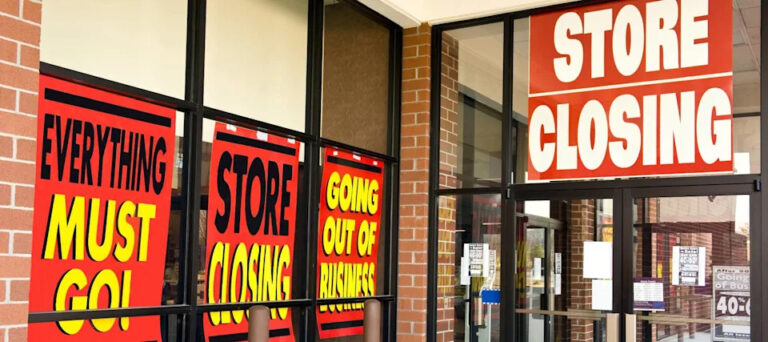
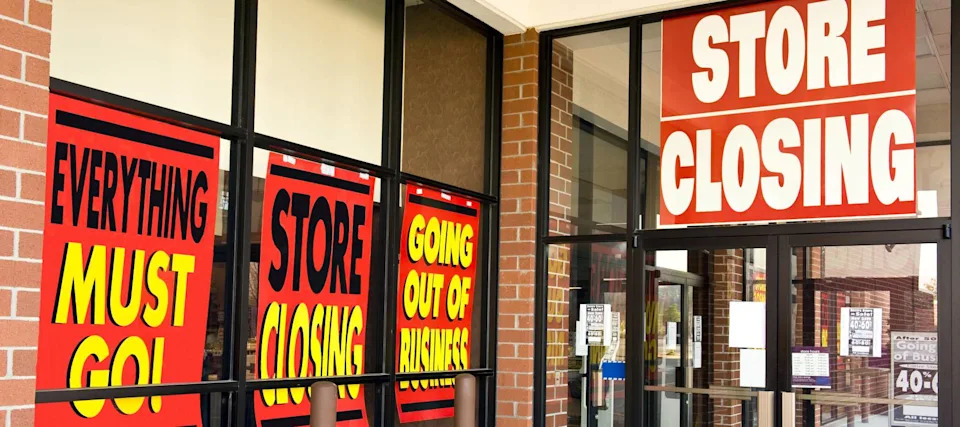
As of 2026, leading discount chain Dollar Tree is making headlines by announcing it will close approximately 75 stores across the country due to many locations being deemed “substandard.” This trend is not just isolated to one store; it reflects a broader issue impacting discount retailers as they face increasing pressures to modernize and adapt to changing consumer preferences. In this article, we will explore the reasons behind these store closures, the future for discount chains, and what this means for shoppers looking for budget-friendly options.
The Current Landscape of Discount Chains
Discount chains have traditionally thrived by offering low-cost products that appeal to budget-conscious consumers. However, recent shifts in the retail landscape are forcing many of these retailers to reevaluate their operational strategies. According to a report from Local 12, Dollar Tree’s decision to shutter stores comes as part of a larger strategy aimed at modernizing and improving the shopping experience across its existing locations.
Reasons Behind Store Closures
Several factors contribute to the decision to close stores:
- Substandard Locations: Many stores failed to meet the company’s operational standards, prompting a reassessment of their viability. This was publicly acknowledged by Dollar Tree during their recent earnings call where they stated, “thousands of stores are below our own standards” (TheStreet).
- Shift in Consumer Preferences: Consumers are increasingly looking for modern, user-friendly shopping environments. Stores that do not adapt risk losing foot traffic.
- Competition: The discount retail space is becoming crowded, with competitors like Aldi and Dollar General continuing to expand their market share, prompting other stores to either modernize or shut down.
- Financial performance: Many discount chains, including Dollar Tree, have faced financial difficulties exacerbated by the economic conditions post-pandemic.
Market Impact and Consumer Response
The effects of these closures extend beyond just the companies involved. For consumers, the loss of local discount stores can create additional challenges in accessing affordable goods. Shoppers dependent on these chains for everyday essentials are likely to feel the impact as fewer options become available. Reports indicate that discount chains like Family Dollar have shut down over 350 locations between 2025 and mid-2026, following a trend of shrinking storefronts as they overhaul their operations amidst competition from bigger chains and shifting shopping behaviors (AOL).
What Lies Ahead for Discount Chains?
Looking forward, discount chains are likely to focus on strategic adaptations to remain competitive. Dollar Tree has indicated plans to open approximately 400 new locations while closing some older ones, which suggests that they are not just cutting back but also investing in the future (Yahoo Finance).
Possible Strategies for Survival
- Modernization: Updating store layouts, improving customer service, and enhancing inventory quality are essential strategies to attract and retain customers.
- Expanding Online Presence: Embracing e-commerce solutions can help chains reach a broader audience and cater to those preferring to shop online.
- Customer Engagement: Creating loyalty programs and using digital marketing to engage customers can bolster sales.
Conclusion
The closing of discount stores like Dollar Tree marks a significant shift in the retail environment, prompting many to consider the long-term implications for shopping habits and community access to affordable goods. As these chains confront market realities, the future will likely be defined by a balance between maintaining budget-conscious pricing and ensuring quality shopping experiences. The evolving landscape underscores the necessity for adaptability in the retail sector as businesses strive to meet consumer demands.
For consumers, staying informed about store locations and potential closures will be vital. Engaging with brands and voicing preferences can also help shape the future of discount retail.
As we watch this trend unfold, one thing remains clear: the retail industry is in a constant state of flux, and it will be interesting to see how discount chains adapt moving forward.