



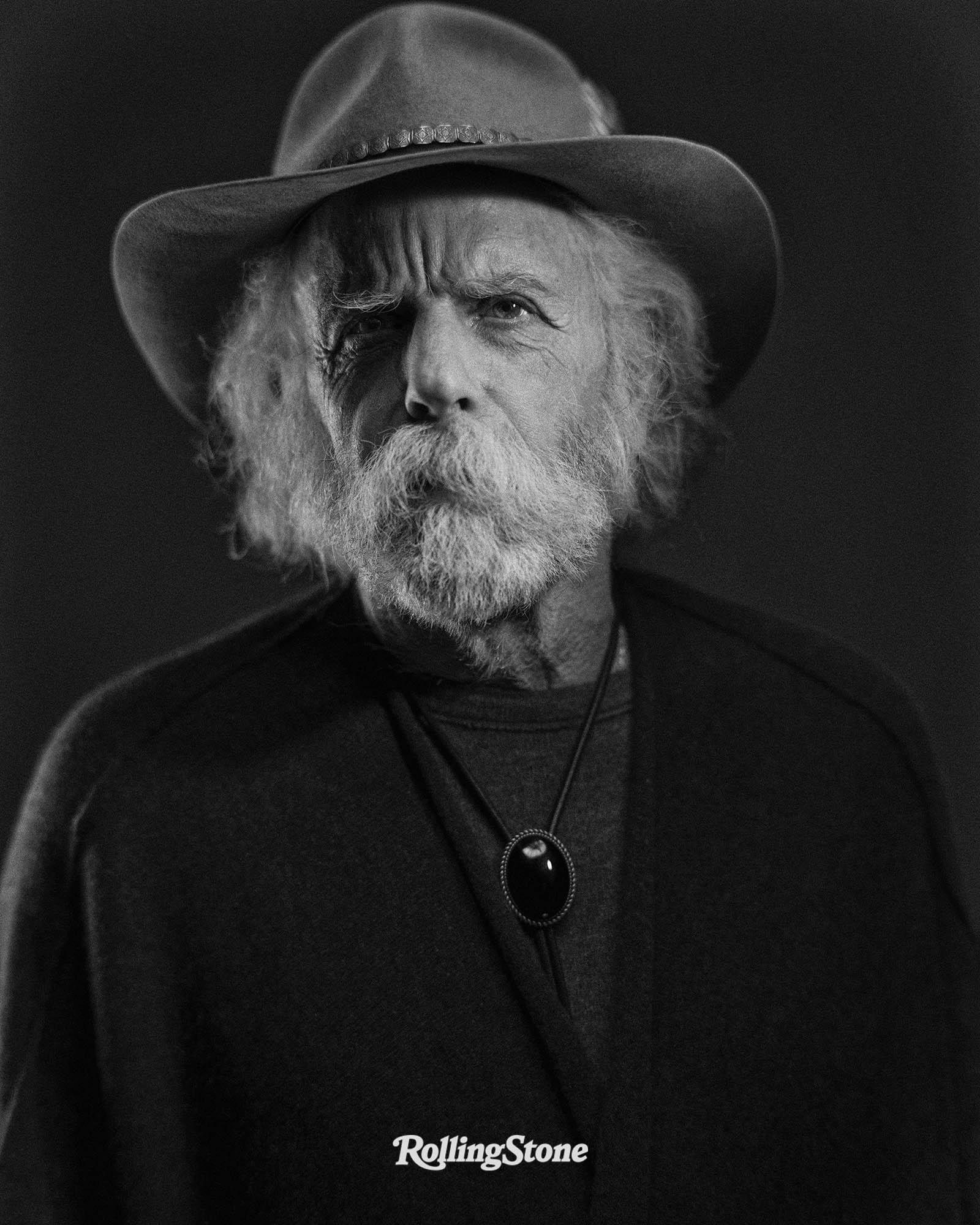
Understanding the Impact of Bob Weir’s Death
Bob Weir, a legendary figure in the world of music and a founding member of the iconic Grateful Dead, has left a lasting mark on the musical landscape. His recent passing has raised substantial interest and sparked conversations around his contributions to music and culture. In this blog post, we will reflect on the impact of Bob Weir, explore his musical journey, and discuss how his legacy continues to resonate.
The Early Years of Bob Weir
Born on October 16, 1947, in San Francisco, California, Bob Weir formed the Grateful Dead in 1965 alongside Jerry Garcia, Phil Lesh, Bill Kreutzmann, and Ron “Pigpen” McKernan. The band quickly became a staple of the 1960s counterculture movement, pioneering the style of rock that blended various genres, including blues, folk, and jazz.
Bob Weir’s Musical Contributions
Weir’s unique guitar playing and vocal style helped define the sound of the Grateful Dead. Known for his innovative rhythm guitar work, Weir shaped the band’s improvisational style. His songs, such as “Sugar Magnolia” and “truckin’,” became anthems for a generation. The Grateful Dead’s ethos of live performance and fan interaction also owes much to Weir’s vision, where he encouraged a communal experience through music.
The Emotional Impact of Weir’s Passing
Bob Weir’s death, although expected due to his declining health, sent shockwaves through the music community. Fans took to social media to share their condolences and reminisce about the times they spent at Grateful Dead shows, highlighting the personal connections that his music forged across generations. As stated in a recent Rolling Stone article, Weir’s influence extends beyond music; he deeply impacted the lives of countless individuals who found solace and joy through his art.
Continuing the Legacy: Dead & Company and Beyond
Following the dissolution of the Grateful Dead in 1995 after Garcia’s passing, Bob Weir continued to perform with several iterations of the band. His most notable current project is Dead & Company, which features members of the original lineup along with modern artists. The band has served as a bridge between the classic sounds of the Grateful Dead and contemporary music, thereby introducing the band’s extensive catalog to new audiences.
The Future Without Bob Weir
As the music industry reflects on Bob Weir’s legacy, the future looks different without one of its most recognized figures. However, his influences will not fade. Upcoming generations of musicians will continue to cite Weir as a major inspiration, perpetuating his artistic spirit through their work.
Conclusion: Bob Weir’s Enduring Influence
Bob Weir’s death marks the end of an era, but it also presents an opportunity to celebrate his contributions to music and culture. His innovative spirit, dedication to the craft, and the community he fostered will forever be remembered in the hearts of his fans. Musical giants are often defined by their ability to connect with souls, and Bob Weir undoubtedly succeeded in this regard. His legacy will continue to thrive in the music that he loved and inspired.