


The Blood Moon Total Lunar Eclipse on March 3, 2026
On March 3, 2026, the skies will play host to a spectacular celestial event: a total lunar eclipse, commonly known as a “Blood Moon.” This phenomenon occurs when the Earth moves directly between the Sun and the Moon, causing the Earth’s shadow to completely cover the Moon. During this event, the Moon can take on a reddish hue, hence the nickname, “Blood Moon.” This article delves into the fascinating details of this upcoming event, what to expect, when and where to see it, and the science behind this awe-inspiring display.
The Significance of the Blood Moon
Lunar eclipses have captured human fascination for centuries, often steeped in cultural significance and mythology. The Blood Moon has been observed in various cultures as a symbol of change or a prophetic sign. In modern astronomy, however, it is simply the result of the alignment of the Earth, Moon, and Sun.
Timing and Visibility
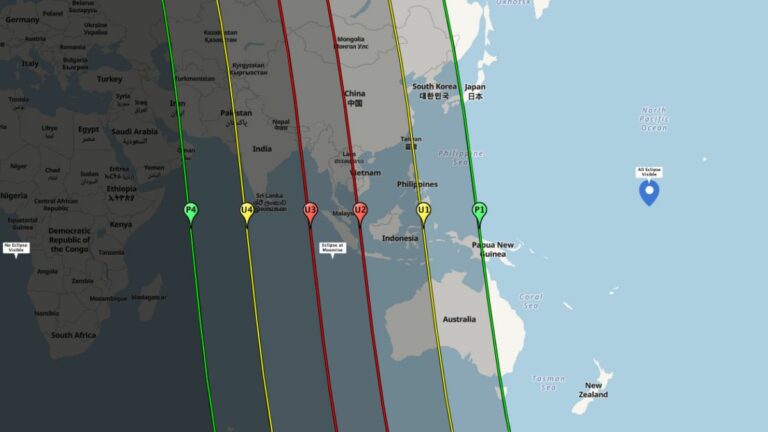
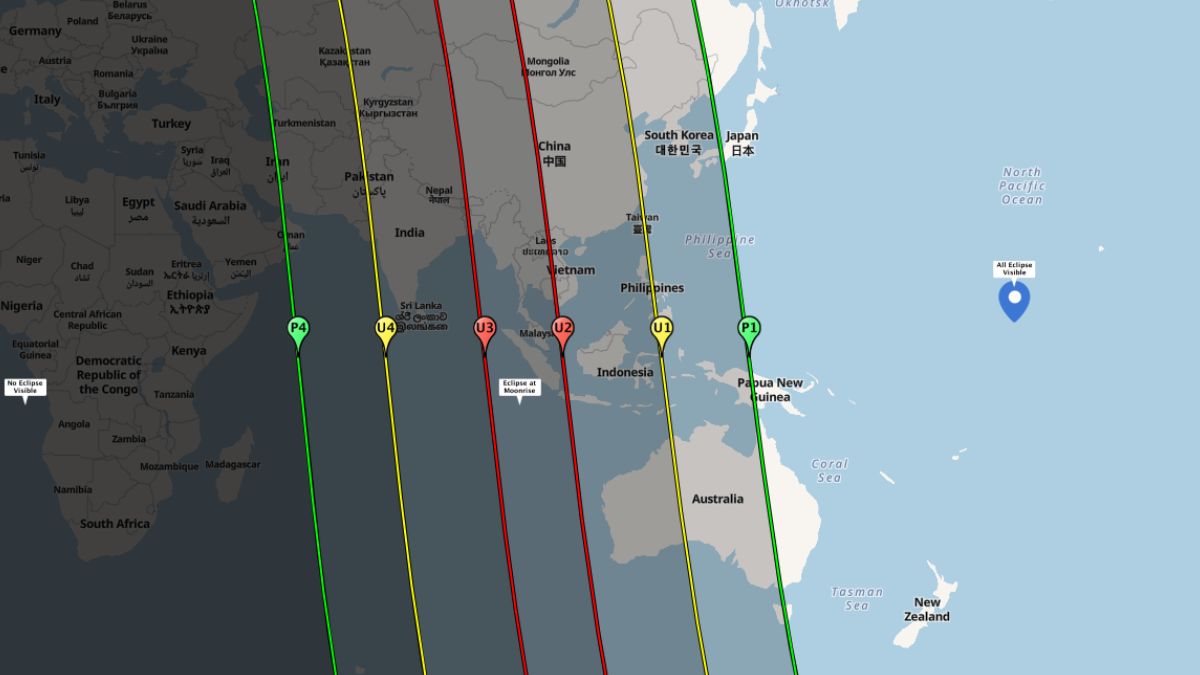
On March 3, 2026, this total lunar eclipse will be visible from various regions across the world, including North America, parts of Asia, and Australia. According to experts, the total phase of the eclipse is expected to begin at approximately 11:35 PM UTC, lasting until 12:50 AM UTC the following day. This timing will allow for an impressive view in areas where the skies are clear, providing an excellent opportunity for astronomers and enthusiasts alike to witness this event.
Where to Watch
For the best viewing experience, locate a spot with minimal light pollution. Urban areas may struggle to offer a clear view of the eclipse, so consider using apps or websites that track light pollution levels to find a suitable viewing location. You can also use telescopes or binoculars to get a closer look at the Moon’s surface during the eclipse.
The Science Behind a Total Lunar Eclipse
Understanding why lunar eclipses happen is fascinating. It occurs when the Earth casts a shadow on the Moon, which is only possible when the three celestial bodies are aligned properly — a rare but not uncommon phenomenon. The Earth’s atmosphere refracts sunlight, filtering out the blue light and allowing the longer red wavelengths to reach the Moon, thereby giving it the reddish appearance during the total eclipse.
Previous Lunar Eclipses and Their Cultural Importance
Historically, lunar eclipses have had significant cultural implications. They have often been seen as omens or signs, with various cultures attributing different meanings to the phenomenon. For instance, the ancient Greeks viewed lunar eclipses as warnings from the gods, while in some Native American cultures, the Blood Moon was celebrated as a time of renewal and reflection.
Preparing for the Blood Moon Eclipse
As the date approaches, prepare your telescope or camera for capturing this spectacular event. Whether you’re a seasoned astronomer or a casual viewer, ensure your equipment is ready and familiarize yourself with the lunar map. Many enthusiasts recommend attending local stargazing events where expert guidance is available, enhancing your eclipse viewing experience.
Encouraging Community Engagement
This lunar eclipse provides an excellent opportunity for schools, community organizations, and astronomy clubs to engage with the public. Hosting events where people can gather to observe the eclipse can foster a sense of community and encourage interest in astronomy.
Conclusion
The Blood Moon total lunar eclipse on March 3, 2026, promises to be a breathtaking natural display that brings together science, community, and culture. Remember to mark your calendars and prepare for a night under the stars. To keep updated on lunar events, check resources like Space.com for specifics on timings and viewing tips. Engage with fellow astronomy lovers and dive into the wonders of the universe!