



Understanding the Artemis 2 Rocket Launch
The anticipation for the Artemis 2 Rocket Launch is undeniable as NASA prepares to send astronauts back to the Moon for the first time in over fifty years. Set to launch in 2026, this mission aims to build on the previous Artemis missions, establishing a sustainable human presence on the lunar surface and laying the groundwork for future crewed missions to Mars. In this post, we’ll delve into the details of the Artemis 2 mission, why it matters, and how it signals a new era in space exploration.
The Artemis program, named after the Greek goddess of the Moon, represents NASA’s strategy to return to the Moon and further explore outer space. Following the achievements of the Artemis 1 mission – which successfully demonstrated the Space Launch System (SLS) and the Orion spacecraft capabilities – Artemis 2 marks the next step towards establishing a permanent lunar outpost.
NASA plans for Artemis 2 include sending a crew of four astronauts aboard the Orion spacecraft on a test flight around the Moon, pushing the boundaries of human spaceflight further than ever before. This mission will allow NASA to test several critical systems needed for future missions, including those that will support human life during extended stay on the lunar surface.
The Artemis 2 launch is crucial for several reasons. First, it symbolizes a collaborative effort to enhance international partnerships in space exploration. NASA is actively working with the European Space Agency (ESA) and other global partners, aiming to set a precedent for future missions. Second, this launch is expected to offer insights into the feasibility of long-term human presence on the Moon, ultimately paving the way for Mars expeditions.
Artemis 2 Timeline
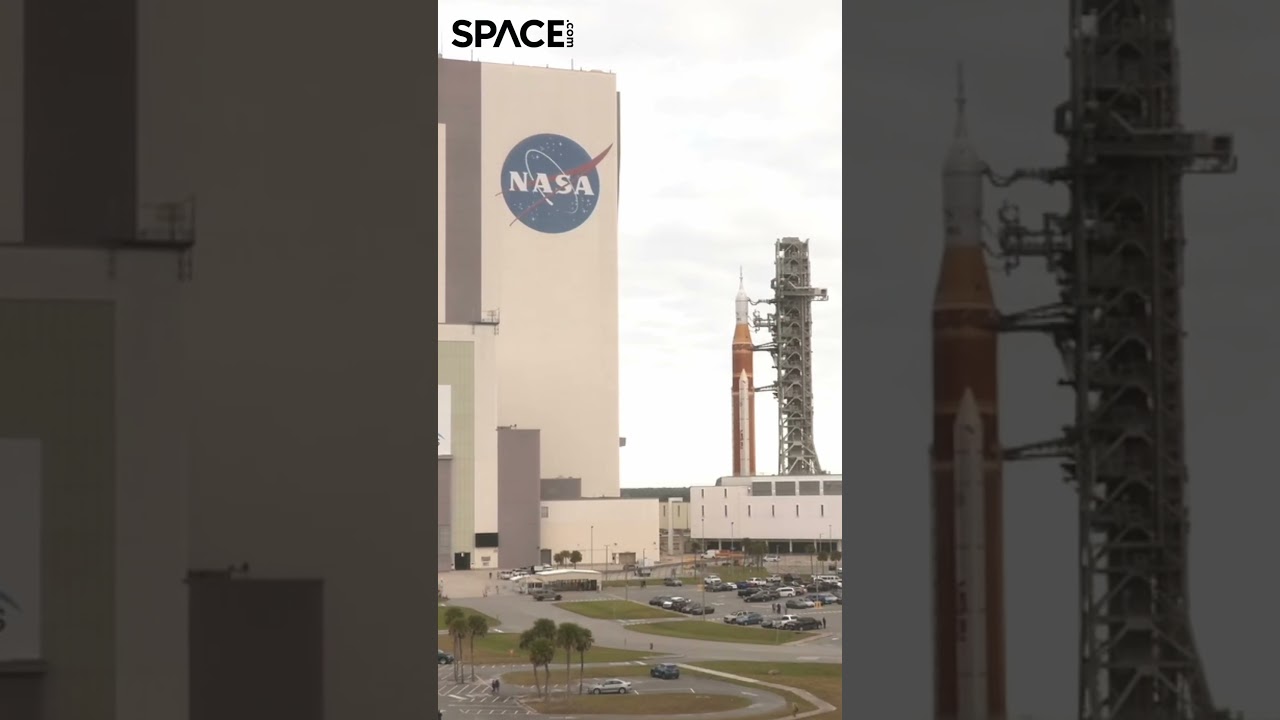
The launch window currently slated for February 6, 2026, will see the SLS and Orion take off from the Kennedy Space Center in Florida. Preparations are already underway, including the rollout of the rocket and crew capsule from the Vehicle Assembly Building (VAB). This momentous journey will take approximately 10 days, circling the Moon before returning to Earth. Following the successful return, NASA will gather invaluable data for subsequent missions, including Artemis 3, which aims to land astronauts on the lunar surface.
Building a Sustainable Presence on the Moon
One of the key missions of Artemis is to create a robust infrastructure for sustained lunar exploration through the lunar Gateway, a space station orbiting the Moon. This station will serve as a hub for future missions, and its construction will start concurrently with the Artemis 2 mission. With a planned crew rotation, the Gateway will allow astronauts to land on the Moon and explore its surface more expediently.
The Artemis program also emphasizes technological advancements supporting these initiatives. Enhanced communication systems, upgraded life-support systems for extended missions, and innovations in rocket technology are just a few of the developments we can expect from Artemis 2 and its successors. These innovations will not only benefit lunar exploration but will also have far-reaching effects in other sectors.
The excitement surrounding the Artemis 2 mission is palpable, reflecting a renewed interest in space exploration within both public and private sectors. Public initiatives fuel interest and investment in space technologies, with companies specializing in Artificial Intelligence (AI) consulting and business process automation playing a crucial role in accelerating technological advancements. For example, platforms like n8n offer businesses the capability to automate complex workflows, paralleling the need for efficiency in space missions.
As the Artemis 2 prepares for launch, we can reflect on its significance not just for NASA but for humanity as a whole. The mission will serve as a pivotal moment in space exploration, highlighting human ingenuity and teamwork while inspiring future generations to dream bigger.
For further updates, interested readers can watch the rollout of the Artemis 2 through this YouTube video and stay informed about the latest developments in this groundbreaking exploration effort. As we approach the launch, the excitement for space exploration and the advancements needed to make it possible exemplify the true spirit of innovation.