

Who is Tyler Robinson and What Happened?
In the eyes of the public, Tyler Robinson has become a pivotal name due to his alleged involvement in the assassination of the political figure, Charlie Kirk. This article aims to dissect the events surrounding Robinson, the implications of the case, and how it resonates with broader societal issues.
Robinson, a Dearborn Heights resident, was caught in a web of media frenzy and public scrutiny when he stood accused of killing Kirk. As investigations unfold, questions surrounding Robinson’s background, his motivations, and legal ramifications continue to capture attention.
Background of the Incident
On a fateful day, reports emerged linking Tyler Robinson to the shooting incident that claimed Charlie Kirk’s life. Initial findings suggest a tumultuous political landscape, heightened by rising tensions across various societal divides. Witness testimonies and forensic evidence collected are shaping the narrative around Robinson.
The Forensics of the Case
New court documents indicated a profound discovery: the bullet that killed Kirk may not match the rifle allegedly used by Robinson. This revelation had serious implications for not just the defense’s strategy but also the prosecution’s case.
Such discrepancies raise critical questions regarding evidence collection and presentation. As further investigations unfold, it is essential to dissect how law enforcement solidifies its narrative amidst such complicated factual matrixes. This case serves as a reminder of the complexities inherent in a legal system that thrives on the meticulous analysis of evidence, witness credibility, and attorney expertise.
Insights from Legal Experts
Legal experts have weighed in on the implications of this case for the public and legal sphere. The case against Robinson is not merely a matter of legal implications but extends to analyze how political affiliations influence public perception and media coverage.
Amidst concerns around potential biases, analysts put forth that the handling of this case could set significant precedents for how politically charged cases are prosecuted in the future.
Public Perception and Media Influence
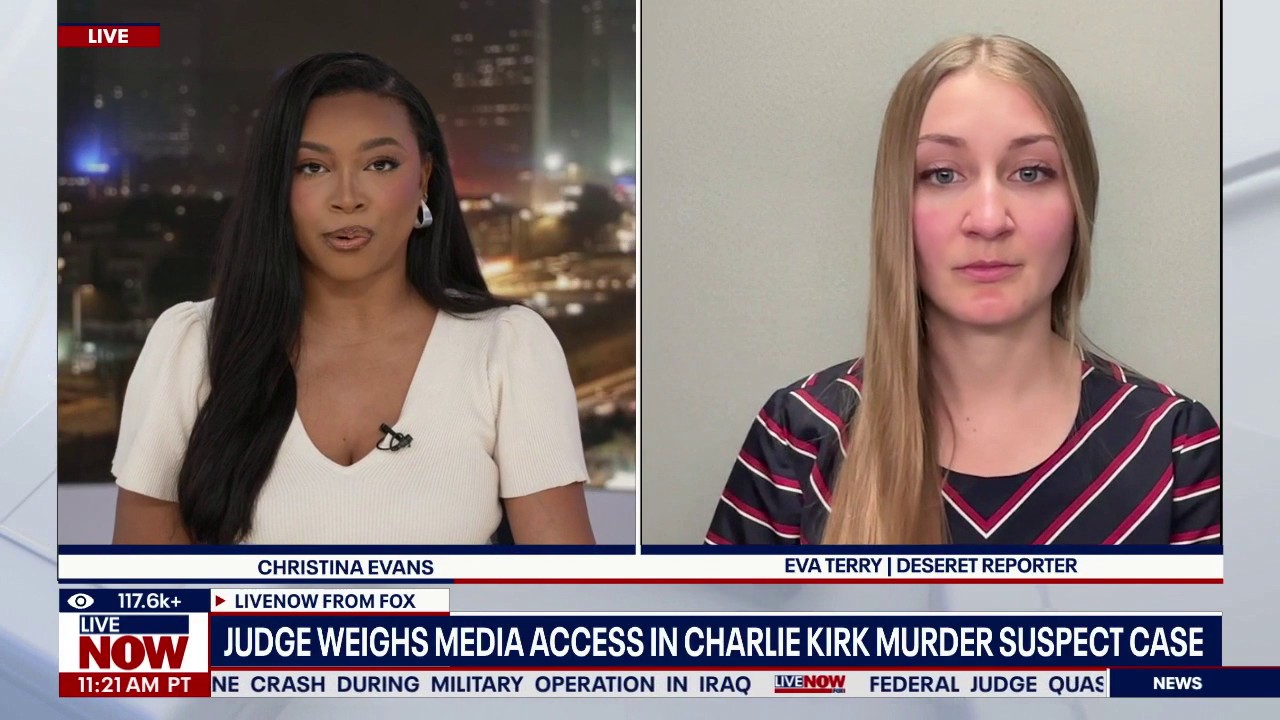
Media narratives surrounding this case have largely focused on sensationalism, bringing forward potential biases in reporting. It raises the question: how does the media influence public perception when cases involve figures from politically charged backgrounds?
By examining various reporting styles and coverage discrepancies across outlets, it becomes clear how media framing impacts public understanding. As HR professionals and business leaders navigate complex communications, understanding these dynamics can illuminate strategies for crisis management.
Conclusion: Beyond Tyler Robinson
The case of Tyler Robinson is more than a court trial; it serves as a summation of broader societal and political issues. With ongoing discussions surrounding evidence, biases, and public opinion, all stakeholders must remain vigilant. As this high-profile case progresses, it will undoubtedly prompt insights into the intersection of law and society, and how swiftly they can adapt—or fail to.
For those looking to understand the unfolding narrative and its implications further, visit this resource which provides ongoing updates on the case.