


The Complete Guide to the NCAA Bracket 2026: Everything You Need to Know
The NCAA tournament is one of the biggest events in sports, and the 2026 NCAA bracket is shaping up to be as exciting as ever. As fans gear up for March Madness, it’s crucial to understand the nuances of the bracket system, its implications, and how technology is enhancing the experience. This blog post will delve into everything you need to know about the NCAA bracket for 2026, ensuring that you’re fully equipped to enjoy this thrilling tournament.
Understanding the NCAA Tournament Structure
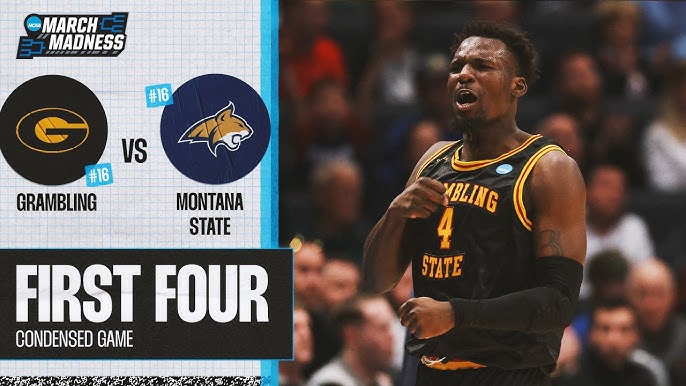
The NCAA Division I Basketball Tournament typically features 68 teams competing in a single-elimination format. The tournament begins with Selection Sunday, where teams are announced and placed in the bracket. Following this, the first four teams face off in the initial round, narrowing the field to 64 teams for the main draw.
The brackets are divided into four regions, and each region is seeded from 1 to 16. The top teams are matched against the lowest-seeded teams in the first round, creating a strategic dynamic often referred to as the “upset watch.” Lower-seeded teams can shock higher seeds, a phenomenon that is a hallmark of March Madness.
Notable Changes and Predictions for 2026
As we approach the 2026 NCAA Bracket, fans and analysts are keenly observing returning teams, emerging talents, and potential shifts in rankings. One of the key aspects to keep an eye on is the dynamics of team selections and metrics that the NCAA committee uses to determine seeding.
Recent trends show that teams from non-power conferences are breaking through, making it essential to consider these factors when filling out your bracket. With each year, the methodologies used in predicting outcomes become more sophisticated.
For teams attempting to secure a spot in the coveted bracket, performance analytics will be crucial. Utilizing data analytics to analyze performance metrics such as player efficiency ratings, team dynamics, and historical data against potential opponents can give coaches and fans a significant edge.
Technology and the NCAA Bracket Experience in 2026
The integration of technology is transforming how fans engage with the NCAA bracket. Platforms such as YouTube and various sports applications are enhancing consumer experience through real-time updates and analysis. Additionally, the use of machine learning and AI in predicting outcomes is becoming more mainstream, allowing fans and analysts to gain insights beyond traditional stats.
New services allow fans to create personalized brackets, share predictions and even compete with friends or colleagues, adding social elements to the productive chaos of March Madness.
The Importance of Bracketology
Bracketology refers to the predictive science of determining which teams will make the NCAA tournament and where they will be seeded. As we look ahead to 2026, experts, commentators, and enthusiasts alike will engage in lively discussions about potential candidates, up-and-coming teams, and bracket breakdowns.
One of the most eagerly awaited moments is Selection Sunday, which takes place in early March. Analysts and fans can expect to see automated systems generating real-time analyses, projecting outcomes based on data from previous tournaments and regular-season performances. Notably, sources like TeamRankings.com have begun using advanced algorithms to enhance their predictions.
Strategies for Filling Out Your Bracket
With the excitement of the NCAA Bracket 2026 around the corner, it’s key to adopt effective strategies when filling it out. Here are some expert tips:
- Research Teams Thoroughly: Understand team strength, player injuries, and historical performance against certain rankings.
- Consider Upsets: Identify potential upset candidates, especially among lower seeds. Historically, #12 seeds have upset #5 seeds often.
- Focus on Recent Performance: Pay attention to how teams have performed in the weeks leading up to the tournament; a hot team entering the tournament can often go further than expected.
- Balance Personal Bias: While it’s tempting to pick your favorite team, make sure to analyze statistics and data objectively.
Final Thoughts on the NCAA Bracket 2026
The NCAA Bracket 2026 is shaping up to be an exciting event that embodies the spirit of competition in college basketball. As teams prepare for the tournament and fans gear up for the thrills of March Madness, understanding the intricacies of the bracket becomes increasingly valuable.
By leveraging technology, engaging with predictive analytics, and staying informed about team performances, you can bask in the excitement and potentially come out on top in your bracket pools. and make sure to follow the latest updates here.
For continued updates and expert analyses, be sure to check back on resources like Google News for the latest information and predictions leading up to the tournament.