

Blood Moon on March 3: A Celestial Event You Can’t Miss
The astronomical community is buzzing with excitement as the blood moon on March 3, 2026, approaches. This lunar eclipse not only captivates stargazers but also holds significance in various cultural and astronomical narratives. As we delve deeper into this cosmic phenomenon, let’s explore what makes this event special, how to best view it, and the science behind why the moon turns red during an eclipse.
What Is a Blood Moon?
A blood moon refers to the reddish color the moon takes on during a total lunar eclipse. This transformation occurs because of Rayleigh scattering—the same phenomenon that causes sunsets to appear red. During a lunar eclipse, the Earth positions itself between the sun and the moon, casting a shadow over the latter. The atmosphere scatters the sunlight, filtering out the blue light and letting the red wavelengths reach the moon. This is why you’ll see the moon glow a deep crimson hue during the total eclipse.
This March’s Total Lunar Eclipse
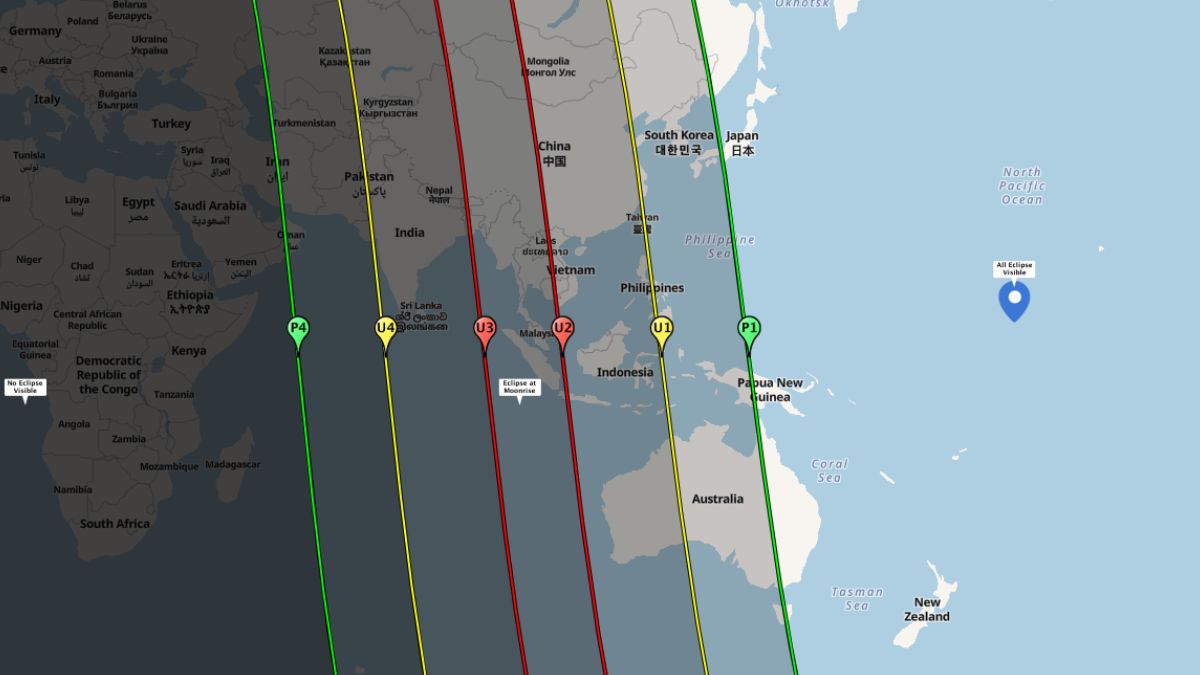
The upcoming eclipse on March 3 is not just any lunar eclipse; it is a total lunar eclipse, meaning that the moon will be completely covered by Earth’s shadow. According to astronomers, this event will be visible from various locations, including parts of North America, Australia, New Zealand, and East Asia. Notably, this will be the last total lunar eclipse visible globally until 2028, making it a must-see event for everyone.
When and How to Watch the Eclipse
For those interested in viewing the blood moon, it is essential to note the timings. The total lunar eclipse will start at approximately 5:10 PM UTC on March 3. The entire event will unfold gradually, reaching its peak around 5:55 PM UTC, when the moon will be fully immersed in the Earth’s shadow. Make sure to find a clear spot away from city lights for the best experience. Armed with a telescope or even just a pair of binoculars, viewers can appreciate the intricate surface features of the moon during this breathtaking transformation.
The Science Behind a Lunar Eclipse
Lunar eclipses occur when the sun, Earth, and moon align in a straight line, with the Earth sandwiched in between. The Earth casts two shadows: the umbra (the innermost, darkest part) and the penumbra (the outer, lighter part). Only when the moon passes through the umbra does it turn red, resulting in a blood moon. This rarely happens, as the moon’s orbit is tilted about five degrees relative to Earth’s orbit, preventing frequent eclipses. The infrequency of total lunar eclipses, particularly those viewed as blood moons, makes them even more special.
Cultural Significance of the Blood Moon
Throughout history, blood moons have been associated with various cultural and spiritual significances. Many ancient civilizations viewed eclipses as bad omens, while others celebrated them. In biblical texts, the blood moon is often cited, with references suggesting significant events will occur during these occurrences. Today, enthusiasts also associate the blood moon with new beginnings and fresh perspectives—fitting for the onset of spring.
Share the Experience
As the date approaches, social media is likely to be flooded with images and live streams of the eclipse, creating a sense of community among viewers across the globe. Don’t forget to share your experience! Connect with friends and family, host a viewing party, and capture the stunning visuals to keep the memories alive. For those unable to witness it in person, many astronomical societies and online platforms will provide live broadcasts.
Further Reading and Resources
To prepare for the upcoming blood moon, consider reviewing the following resources for additional details on lunar events and viewing tips:
In Conclusion
The blood moon on March 3, 2026, presents a unique opportunity to witness a celestial event that has captivated humanity for centuries. Whether you’re an experienced astronomer or just a curious soul looking up at the night sky, make sure to mark this date on your calendar. Embrace the wonder of the universe and share this experience with others—after all, the beauty of the blood moon is best appreciated together.