


Understanding the Implications of Ayatollah Khamenei’s Death
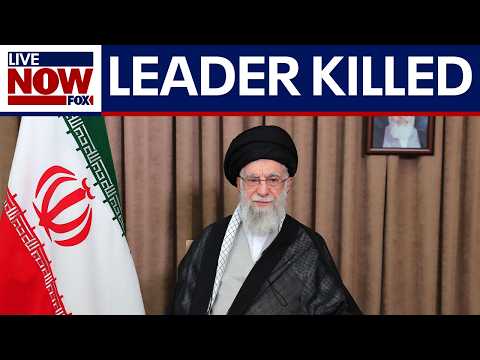
The world has been shaken by recent news regarding the death of Iran’s Supreme Leader, Ayatollah Khamenei. This event marks a significant turning point in Iranian politics and raises urgent questions about the future direction of the nation amidst ongoing geopolitical tensions.
Khamenei’s death, confirmed by multiple sources, including BBC News, has not just implications for Iran but also for the broader Middle East and global relations. As the 83-year-old leader, Khamenei had been a pivotal figure in Iranian politics since the 1979 revolution, and his passing leaves a considerable leadership vacuum.
The Role of Ayatollah Khamenei
Ayatollah Khamenei, who had served as Supreme Leader since 1989, was known for his hardline stance on domestic and foreign issues, including his policies against Western influence and sanctions. He was a staunch supporter of Iran’s military endeavors in the region, contributing to the support for various militant groups.
This leadership reshuffle comes at a time when Iran faces increased pressure from international sanctions and military threats, particularly from the United States and Israel. The TIME report highlights that the Iranian leadership was already preparing for possible repercussions following military conflicts.
The Immediate Reactions: Domestic and International
In Iran, the reaction to Khamenei’s death has been one of uncertainty. With officials publicly expressing grief, there is a palpable fear of instability. As reports emerge of possible militial violence and power struggles, the Iranian populace demonstrates its deep investment in the Supreme Leader’s policies and the tumultuous history that has defined their governance.
Globally, the responses have diverged significantly. Some nations see this as an opportunity for diplomatic engagement, while others perceive a potential escalation of tensions. Israeli officials have already indicated their positions in various statements, as they propose a strategy to eliminate threats that would arise from Iran’s nuclear ambitions. A former Israeli defense chief expressed the necessity for future operations targeting Iranian leadership, specifically mentioning Khamenei as a future target should conflict escalate again, as detailed in their statement on Iran International.
Strategic Implications for Iran and its Neighbors
With Khamenei’s death, Iran is at a crossroads. The leadership must navigate through potential fractures within their political and military officials while facing external threats. This event may shift the balance of power within Iran’s governmental structure, as various factions round for control or influence.
The U.S. and its allies, including Israel, have historically viewed the Iranian leadership as a destabilizing force in the region. The Long War Journal illustrates how recent military actions targeted key Iranian officials, indicating a preemptive strategy against any potential upheaval that leadership changes might provoke.
The Role of Popular Sentiment
Public sentiment plays a crucial role in the aftermath of Khamenei’s death. Historically, the Supreme Leader has maintained a tight grip on power, often invoking religious ideologies that resonate with the majority of the Iranian populace. However, dissent has grown, particularly among the younger generation, leading to protests and numerous civil movements.
Notably, the Iranian youth, comprising over 60% of the population, demand political reform and social liberties, which Khamenei’s regime resolutely opposed. Their reaction to this leadership change could dictate the future of the regime and its policies. While *Khamenei’s death* may appear to spell disaster for the regime, it could also open avenues for reform and reinvigoration of the activist movements.
Conclusion: Looking Ahead
The death of Ayatollah Khamenei serves as both a crisis and an opportunity for Iran. How the country navigates this pivotal moment will determine its future trajectory—domestically and internationally.
As we await the official announcement of his successor and subsequent policies that will shape Iran, one thing remains clear: Khamenei’s passing signals not just a change in leadership but a potential shift in the very fabric of Iranian society and its role on the global stage.