



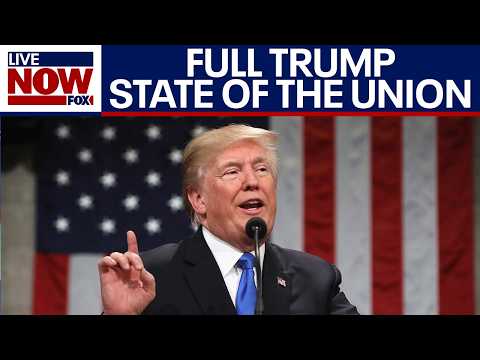
Analyzing Trump’s State of the Union Address: Impact and Implications
Understanding the State of the Union Address
The State of the Union Address is an annual message delivered by the President of the United States to a joint session of Congress, outlining the administration’s accomplishments and the legislative agenda for the upcoming year. Each address provides a snapshot of the country’s political, economic, and social climate. President Donald Trump’s approach to the State of the Union addresses has been one of significant interest, showcasing his administration’s priorities and challenges.
Recent Trends in Trump’s Addresses
Trump’s State of the Union addresses have consistently stirred discussions across various sectors. In his 2025 address, he emphasized the economy, immigration policies, and ongoing public health initiatives linked to COVID-19 response measures. Analysts noted the contrast in tone and content compared to previous administrations, with a focus on grievance and accomplishments that align with partisan lines.
Sources analyzed by the American Civil Liberties Union showed that while Trump aims to celebrate achievements, critics often highlight disparities in societal issues exacerbated during his presidency. Trump’s rhetoric about building a “great America” drew both applause and backlash depending on the audience’s political stance.
Implications of Trump’s Messaging
Each State of the Union not only serves as a political report card but also as a campaign platform leading into election years. Trump’s messages tended to galvanize his base while alienating opponents. The effects of his communication and policy announcements in these addresses reverberate through public discourse, shaping opinions on immigration, health care, and law enforcement.
Public and Media Reactions
Response to Trump’s State of the Union speeches has been polarized. Supporters laud his economic initiatives and national security measures, while critics argue that his addresses often gloss over systemic issues such as racial inequality and environmental concerns. The PBS News highlighted that Trump’s addressing style is unique in framing issues as either distinctly American successes or failures of previous administrations.
Impacts on Policy and Governance
Trump’s actions following his State of the Union addresses often reveal decisive policy shifts. For instance, adjustments in immigration policies, federal budget allocations, and health care initiatives typically see rapid developments post-address. His administration’s approach has raised questions about governance methodology, scrutinizing the balance between executive power and legislative collaboration.
Looking Ahead: The Future of State of the Union Addresses
As political landscapes shift, the State of the Union Address’s relevance continues to evolve. Future leaders will likely draw lessons from Trump’s methodologies, realizing the importance of engaging both supporters and adversaries through balanced rhetoric. Research suggests that the effectiveness of conveying messages during these addresses heavily influences policy engagement and public support.
The State of the Union remains a critical tool for presidents to communicate their visions for America. Looking ahead, it will be essential for future administrations to navigate the complexities of an increasingly divided electorate.
Conclusion
In conclusion, Trump’s State of the Union Addresses serve as a lens into his administration’s priorities, providing insight into how these speeches affect public opinion and policy direction. The ongoing debates surrounding these addresses reflect broader national conversations about governance and representation in today’s political climate. The analysis of Trump’s messaging strategies offers valuable insights for political leaders, strategists, and citizens alike.