


Trump’s Obama Monkey Video: A Catalyst for Controversy
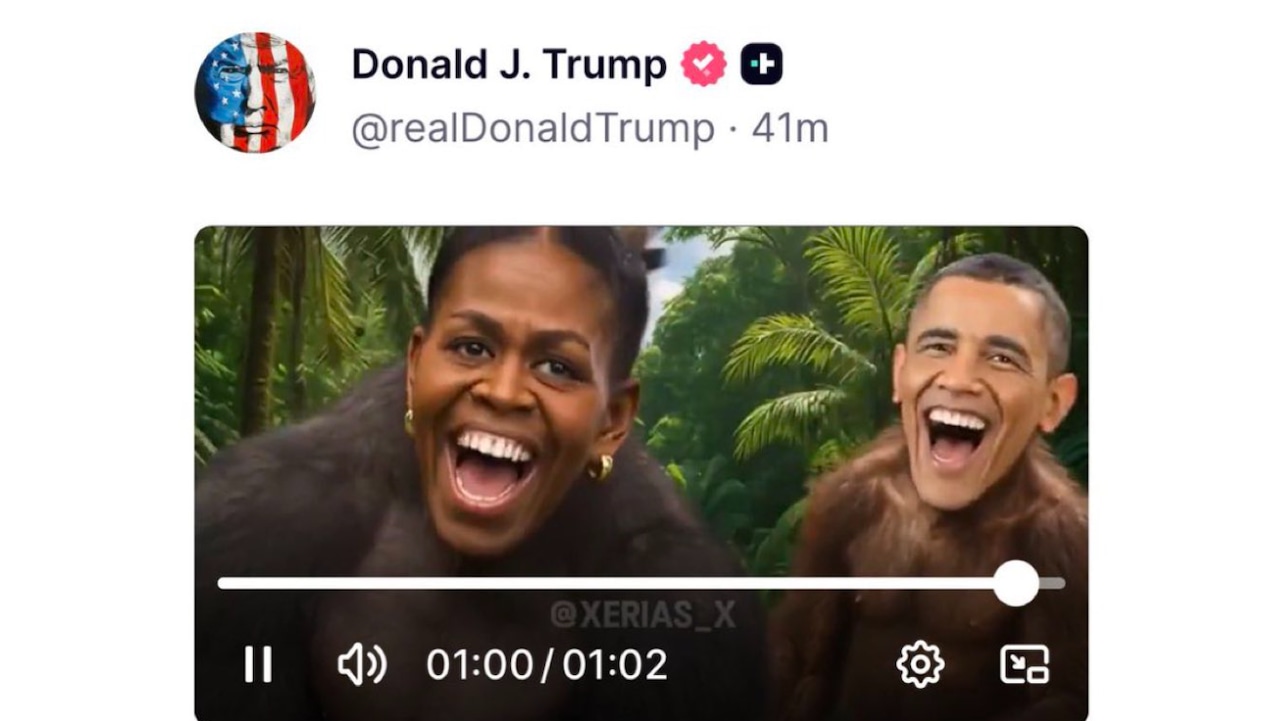
In an era where political rhetoric and social media intertwine like never before, a recent post by former President Donald Trump has ignited significant backlash. The video, which depicted former President Barack Obama and First Lady Michelle Obama as monkeys, was swiftly condemned for its racist undertones. Critics have rallied against Trump, dubbing the content not just offensive but “disgusting behavior” that undermines the progress towards racial equality.
The Video in Question
Hours after Trump’s post, social media erupted with reactions from all sides, further fueling discussions about the implications of creating or sharing racially charged content, especially from political figures. According to AL.com, the clip was removed following an avalanche of criticism, including remarks from civil rights leaders and legislators across the political spectrum, calling it one of the most egregious displays seen from Trump.
Historical Context
The imagery used in the video harkens back to a dark tradition in American racial politics, where African Americans were depicted as apes and monkeys to diminish their humanity and justify systemic racism. This portrayal has been widely recognized as one of the most insulting stereotypes perpetuated throughout history. Trump’s sharing of the video, particularly during Black History Month, has drawn ire not only for its content but for the insensitivity to the historical struggle faced by Black Americans.
Political Reactions
Prominent political figures have not held back in their condemnation. Senator Tim Scott characterized Trump’s post as “the most racist thing I’ve seen out of this White House.” This sentiment was echoed across various platforms, emphasizing that such behavior cannot be normalized, regardless of political affiliation. While Trump initially defended the post, claiming he did not see the clip in its entirety before sharing it, the damage had already been done.
The Backlash and Its Implications
The backlash to Trump’s video has implications that extend beyond mere outrage. It highlights the continuing relevance of race in American discourse and the responsibilities that come with a platform as powerful as that of a former president. The incident serves as a reminder that leaders, regardless of their political allegiance, have the obligation to engage in discourse that is constructive rather than divisive.
The Role of Social Media in Political Discourse
This incident is emblematic of the current state of political discourse on social media, where statements are often made impulsively without consideration for their societal impact. The spike in shocking content on platforms like Truth Social raises questions about accountability and the role of technology in shaping political narratives.
Conclusion: Moving Forward
As America continues to grapple with issues of race and identity, it is imperative that political figures, including Trump, recognize the weight of their words and the potential consequences of their actions. Engagement in respectful, informed dialogue is essential for unifying a divided nation and moving forward in an era that demands greater accountability from its leaders.
While Trump’s post has certainly stirred the pot, it also opens a window for broader discussions about race, representation, and the responsibility of leadership in shaping public discourse. As we reflect on this event, let us strive for a political culture that values humanity above all else.