


Understanding the Doomsday Clock 2026: What the New Time Signifies for Humanity
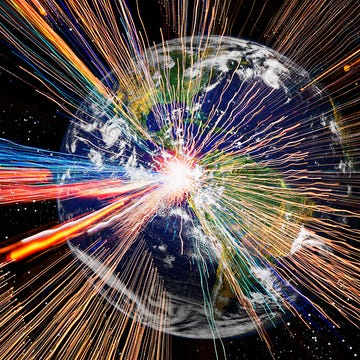
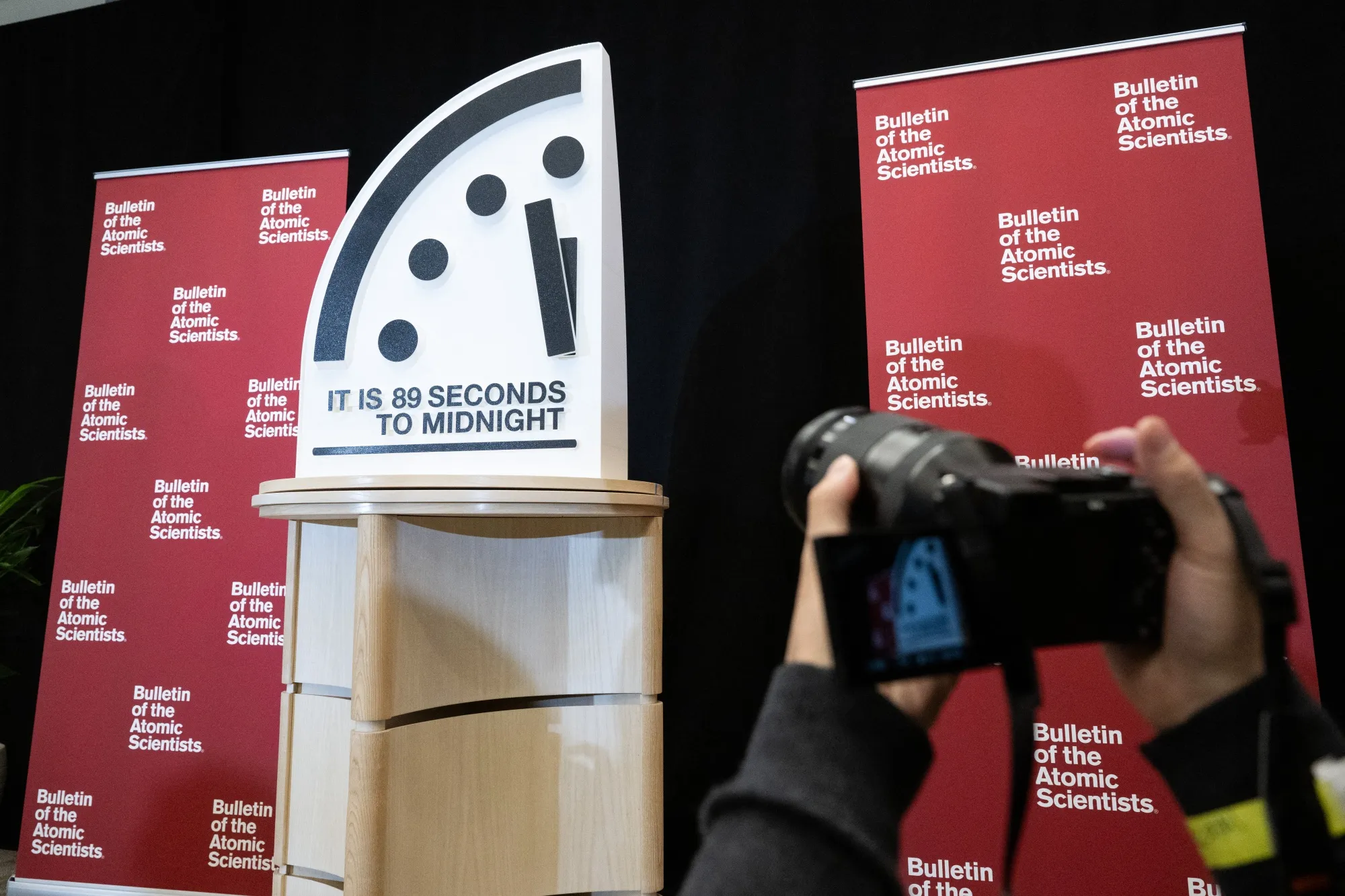
The Doomsday Clock stands as a symbolic representation of the world’s proximity to catastrophe, particularly nuclear war. As of January 27, 2026, this iconic timepiece has been set at an alarming 85 seconds to midnight—its closest point ever. This decision reflects the increasing global tensions and significant threats posed by nuclear weapons, climate change, and disruptive technologies. In this blog post, we will explore the meaning behind the Doomsday Clock 2026 and what it signifies for the future of humanity.
The Significance of the Doomsday Clock
The Bulletin of the Atomic Scientists first created the Doomsday Clock in 1947, a visual metaphor designed to communicate the threat of global annihilation. Over the years, this clock has been adjusted numerous times based on scientific assessments of the risk posed by nuclear conflicts and other existential threats. Each tick of the clock emphasizes the urgency of the issues we face as a global community.
The 2026 Adjustment: A Wake-Up Call
The adjustment to 85 seconds to midnight represents a fragile state for humanity. Reflecting on the latest scientific evaluations and geopolitical analyses, the Bulletin’s Science and Security Board reached this decision amidst a backdrop of rising tensions in international relations, warfare, and climate-related disasters. See Bloomberg’s comprehensive article for further insights.
Understanding the Current Global Landscape
The current geopolitical climate is marked by a proliferation of nuclear weapons and ongoing conflicts in various regions worldwide. The war in Ukraine, tensions between global superpowers, and the expansion of nuclear arsenals signal a dangerous escalation that threatens world security. The Doomsday Clock’s latest time emphasizes the potential for miscalculation in a world where communication and diplomacy are crucial fresh paths to peace.
Climate Change: An Overarching Threat
Climate change also plays a substantial role in contributing to the urgency felt around the clock. Natural disasters exacerbated by climate change, such as wildfires, flooding, and extreme weather events, are becoming increasingly frequent. Scientists warn that the environment may soon reach tipping points, leading to catastrophic consequences for ecosystems and human life alike.
The Impact of Technology on Global Security
Another factor contributing to the Doomsday Clock’s tick is the impact of emerging technologies. The rise of Artificial Intelligence, internet fragmentation, and cyber threats pose new challenges that can lead to unintended conflicts or crises. Furthermore, the misuse of technology can escalate tensions between nations, creating a precarious path forward.
Actions Moving Forward
As we stand alarmingly close to midnight, it is essential for business leaders, policymakers, and citizens to engage with these challenges actively. The clock is not just a warning but also a call to action. Initiatives that focus on disarmament, international cooperation, and climate action are pivotal in pushing back the hands of the Doomsday Clock.
The Role of Businesses in Global Stability
For companies, recognizing their role in this global scenario is crucial. Businesses can contribute positively by advocating for policies that promote peace, sustainability, and responsible business practices. As leaders in their respective fields, companies can foster dialogues that prioritize global security and collaborative problem-solving.
Conclusion: A Collective Responsibility
The setting of the Doomsday Clock at 85 seconds to midnight serves as both a concerning message and an opportunity for collective action. It reminds us that ensuring a safer future requires participation at all levels—from individual citizens to governments and corporations. The time to act is now, for our present and future generations depend on our responses to these enormous global challenges.
Stay informed and engaged. Attend discussions, participate in events, and share knowledge about the implications of the Doomsday Clock, as we strive towards a more peaceful and sustainable world. Engage further with ongoing dialogues at the Bulletin of the Atomic Scientists.