


Minneapolis Shooting: Understanding the Latest Developments in the ICE Incident
On January 7, 2026, a tragic event unfolded in Minneapolis that has captured the nation’s attention: an ICE shooting incident in which a mother, 37-year-old Renee Nicole Good, was fatally shot by Immigration and Customs Enforcement officers. This incident has ignited discussions surrounding law enforcement practices, immigration policies, and community safety. As we analyze the implications of this event, it’s essential to understand the circumstances leading to the shooting, the public reaction, and the ongoing investigations.
What Happened During the ICE Shooting?
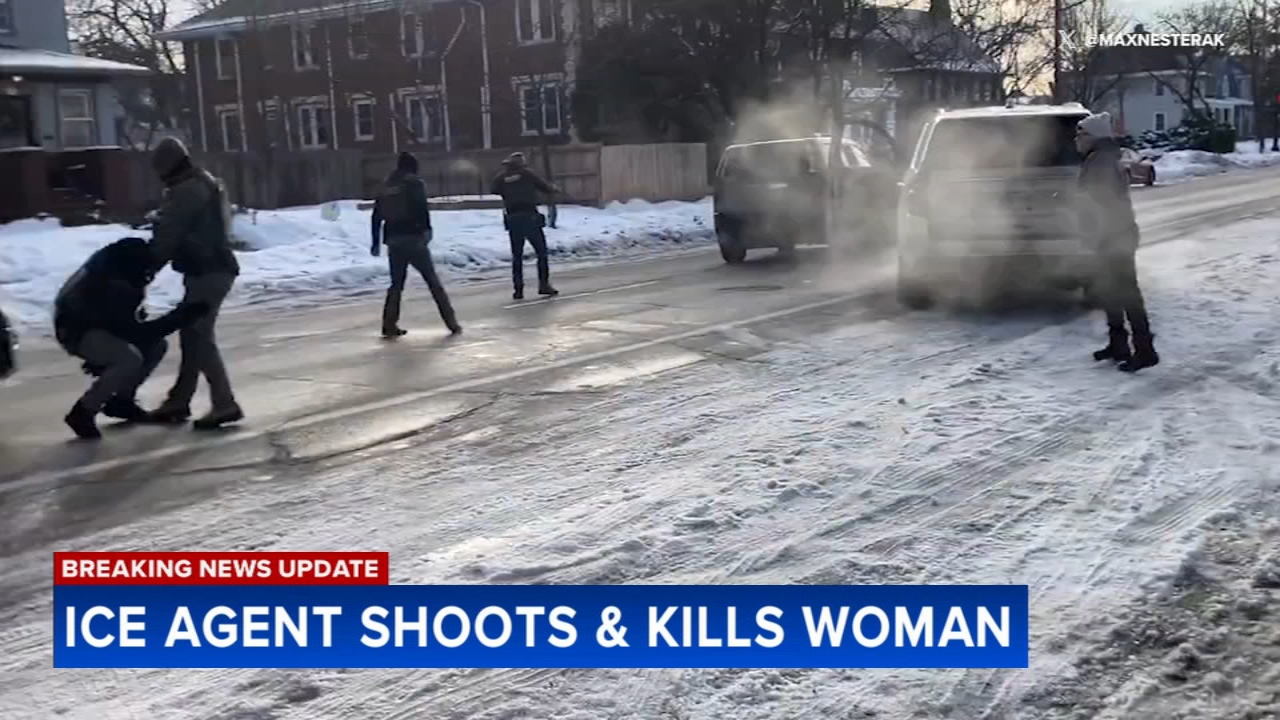
The incident took place on a quiet tree-lined street in south Minneapolis. Eyewitnesses reported that Renee Nicole Good was in her vehicle, apparently trying to signal unmarked government vehicles to pass by when the encounter escalated. Reports indicate that the situation quickly devolved into chaos, leading to gunfire that resulted in her death (source).
Community Response
As news of the shooting spread, the Minneapolis community reacted with shock and outrage. Protests erupted, with demonstrators expressing their anger at ICE’s enforcement practices and demanding accountability for the actions of law enforcement officers. City officials noted that most demonstrations remained peaceful, although there were reports of some arrests (source).
The Broader Implications of the Incident
This tragic shooting has broader implications, calling into question ICE’s mandate and the operational methodologies of federal law enforcement when dealing with non-criminal subjects. Politicians and community leaders have begun calls for a thorough investigation into the specifics of this incident. Minnesota Congresswoman Ilhan Omar and other leaders have publicly condemned the shooting, emphasizing the need for policy reforms regarding ICE’s operations (source).
Moreover, this incident raises urgent concerns about the need for clear guidelines and oversight over federal agents, especially when they interact with civilians who are not actively engaging in criminal behavior.
Investigations Underway
In the wake of the shooting, the Minnesota Bureau of Criminal Apprehension is leading the investigation to determine the circumstances surrounding the incident.
Reports suggest that video footage recorded by the ICE agents involved has also emerged, showing the moments leading up to the shooting. This footage will likely play a critical role in the investigation, what really unfolded during that fateful day, and how it aligns with ICE’s protocols (source).
Legal and Community Perspectives
Law experts and community leaders are voicing strong opinions regarding the legality of such operations conducted by ICE. The University of Wisconsin’s Law School is organizing discussions on the legal implications arising from the incident. Experts emphasize the need for meticulous legal scrutiny over the engagement practices of ICE agents, particularly in neighborhoods populated by vulnerable communities (source).
Conclusion: Moving Forward After Tragedy
The Minneapolis ICE shooting is a stark reminder of the complexities surrounding immigration enforcement in the U.S. It raises critical questions about community safety, police accountability, and the broader implications of immigration policy enforcement. As investigations continue, community leaders and policymakers must come together to address these pressing concerns, aiming to create a more just system that safeguards community rights while ensuring public safety. This tragic incident serves as a catalyzing force for not only introspection but also potential transformation in immigration law enforcement practices, paving the way for the necessary discourse around justice and accountability in the face of such tragedies.