


The Clash of Perspectives: Ivan Raiklin and Michael Fanone at Jack Smith’s Hearing
In the complex world of American politics, the interactions between figures like Ivan Raiklin and Michael Fanone highlight the deep divides and passionate debates that shape our understanding of national security and law enforcement. This blog post will delve deep into the recent confrontation between the two at Jack Smith’s hearing, providing a comprehensive analysis of their perspectives and the implications for policymakers, law enforcement, and the public.
Key Players and Their Backgrounds
Before we analyze the confrontation, it’s essential to understand who Ivan Raiklin and Michael Fanone are. Ivan Raiklin is known for his controversial opinions on governmental reforms and national obligation, often positioning himself as a public defender of checks and balances within the government. He advocates for a more transparent and accountable judicial system.
On the other hand, Michael Fanone, a former Metropolitan Police officer, became widely recognized for his testimony about the January 6 attacks and his passionate advocacy for his fellow officers involved that day. His experiences lend a firsthand perspective on the challenges faced by law enforcement in increasingly polarized situations.
The Hearing: A Turning Point
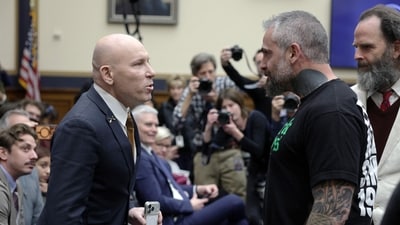
During the recent hearing led by Special Counsel Jack Smith, Raiklin and Fanone found themselves at an ideological crossroads. The focal point of their clash stemmed from differing views on police accountability and the actions taken during the January 6 Capitol riots. Both men brought passionate views that resonated with many in the audience, emphasizing the need for clear communication and reform in law enforcement practices.
As tensions rose, Raiklin questioned the adequacy of existing police reforms and their implications for public safety. He articulated a stance that emphasized the need for civilians to have more oversight in law enforcement activities without compromising their safety. In contrast, Fanone defended current officers’ actions during the rioting, arguing that they had faced unprecedented challenges and hostility.
Analysis of the Clash
The arguments raised during the hearing resonate deeply in contemporary discussions about police reform in America. Raiklin’s position underscores a growing demand among the public for systemic changes that hold law enforcement accountable, especially concerning their use of force and treatment of civilians. Fanone’s focus on the realities faced by officers during tumultuous events provides a critical context that should not be ignored.
These contrasting viewpoints reveal a pivotal conversation about safety, accountability, and public trust in law enforcement. As our society grapples with these issues, it is becoming increasingly clear that discussions must happen from a place of mutual understanding rather than confrontation.
Implications for Policymakers
For policymakers, the exchange between Raiklin and Fanone emphasizes the importance of inclusive dialogues that bring together voices from different sides of the law enforcement spectrum. Creating channels for these discussions can lead to significant reforms that are not only necessary but also aligned with public expectations for transparency and accountability.
As we process these events, it is crucial for leaders in government and law enforcement to consider the perspectives of both sides and to work collaboratively towards solutions that embody justice and community safety.
Conclusion
The recent hearing featuring Ivan Raiklin and Michael Fanone is a microcosm of the broader debates surrounding policing and national security in the U.S. Their confrontation serves as a reminder that while differences exist, the ultimate goal should be a system of law enforcement that earns public trust and operates transparently. Engaging in these discussions is essential for moving forward and creating an atmosphere where every citizen feels safe and protected.
To read more about the details of their clash and the implications for the future, you can find the full coverage here.