


Slavia Prague vs Barcelona: A Tactical Analysis of the Goalless Encounter
In a thrilling fixture, Slavia Prague vs Barcelona culminated in a surprising goalless draw at Camp Nou. This match stands as a testament to the evolving dynamics of European football, where strategic gameplay often overshadows sheer skill. For both teams, this result sparked conversations about tactics, player fitness, and future meetings in the group stage.
The Match Overview
Barcelona, a club steeped in a tradition of attacking football, faced off against Slavia Prague, a side with a robust defensive setup. Analysts, fans, and enthusiasts watched closely as the two teams took to the pitch with their unique tactics and philosophies. Barcelona’s approach was characterized by their typical possession-based style, yet they struggled to penetrate Slavia’s organized defense.
First Half Breakdown
The first half saw Barcelona dominating possession with 70% ball retention. Their strategy revolved around creating spaces through quick interchange of passes. However, Slavia Prague’s defenders were resolute, consistently closing down spaces and limiting clear opportunities for Barcelona’s forwards.
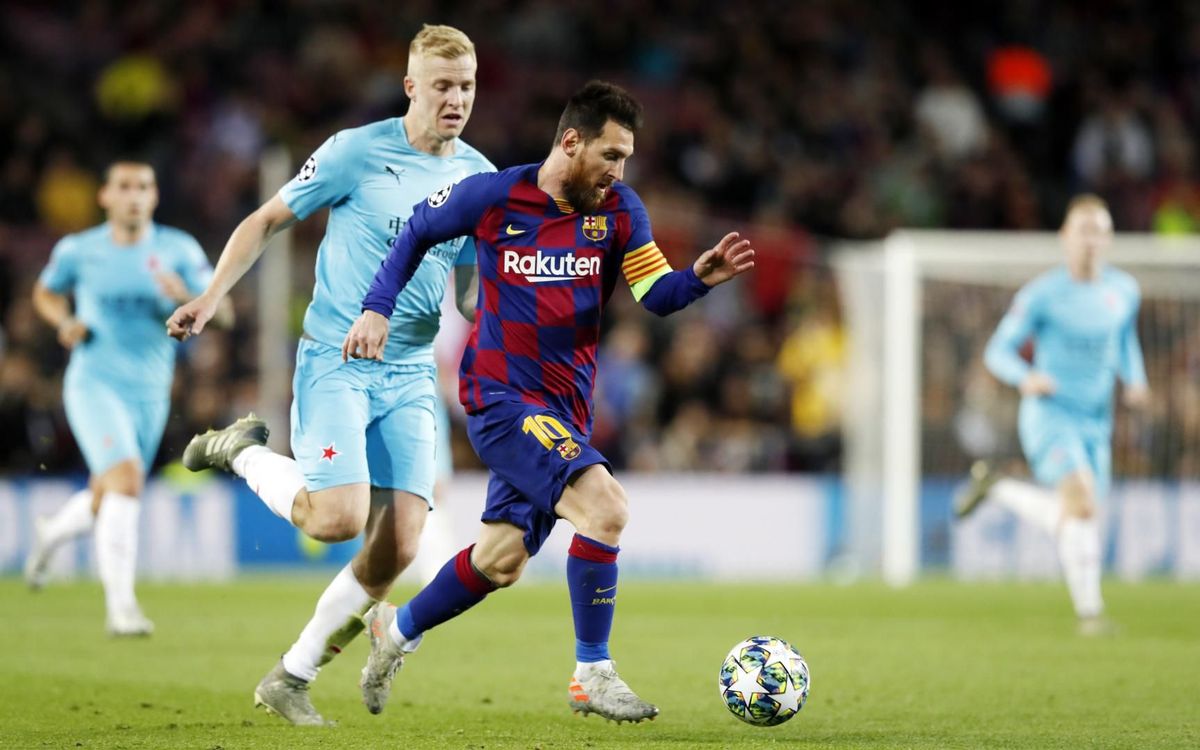
Notably, the absence of key players for Barcelona hampered their ability to convert possession into significant goal-scoring chances. Lionel Messi, though present, was not at his sharpest, as he faced a relentless challenge from Slavia’s backline.
Slavia Prague’s Tactical Strengths
Slavia Prague’s defensive setup was meticulously planned. Manager Jindřich Trpišovský implemented a fluid 4-2-3-1 formation that shifted into a compact 4-4-2 during Barcelona’s attacks. This shift allowed them to absorb pressure efficiently while remaining poised for counterattacks.
The disciplined performance of players like Vladimír Coufal and Jakub Jankto ensured Barcelona struggled to find clear shots on target. Their remarkable ability to disrupt Barcelona’s rhythm showcased the tactical maturity of Slavia Prague, especially considering they were playing away from home.
Second Half Developments
As the second half commenced, both teams made tactical adjustments. Barcelona attempted to increase their urgency, pushing forward with more players. Despite this, Slavia continued to showcase impressive quick transitions while maintaining their defensive solidity.
The introduction of Ansu Fati provided Barcelona with a youthful spark, yet his attempts were thwarted by Slavia’s organized structure. The introduction of fresh legs allowed Barcelona to exploit flanks, but they still found it tough to overcome Slavia’s well-disciplined back four.
Statistics and Match Analyses
Reflecting on the stats, Barcelona tallied up 18 shots, out of which only 5 were on target. In contrast, Slavia Prague managed 7 shots with 2 on target. These figures highlight Barcelona’s struggle in front of goal, emphasizing a need for reflection on their finishing skills and decision-making in the final third.
Key Players of the Match
For Barcelona, Marc-André ter Stegen was instrumental in ensuring the clean sheet, making several crucial saves to deny Slavia’s sporadic attacks. On the other hand, Slavia’s midfield maestro, Tomáš Souček, was pivotal in breaking down Barcelona’s play and initiating counter-offenses.
Conclusion: What Lies Ahead?
The match between Slavia Prague and Barcelona not only defines the current state of these clubs but also raises questions about their prospects moving forward in the competition. Barcelona, traditionally offensive, must find balance and adaptability to convert possession into goals. Meanwhile, Slavia Prague demonstrated resilience and tactical acumen, promising an exciting campaign ahead.
For more detailed insights on this game’s nuances, visit the official match report at FC Barcelona.