



Understanding the Extreme Cold Watch and Wind Advisory
As winter approaches, the threat of severe weather becomes more pronounced, especially in regions prone to extreme cold. One such alert that is crucial for many to understand is the Extreme Cold Watch. This advisory is issued by meteorological agencies to inform the public about dangerously low temperatures along with potential wind chill factors that could lead to frostbite or hypothermia. In this blog post, we will delve into what an Extreme Cold Watch is, the relationship with wind advisories, and practical measures individuals and organizations can take to prepare for adverse cold weather conditions.
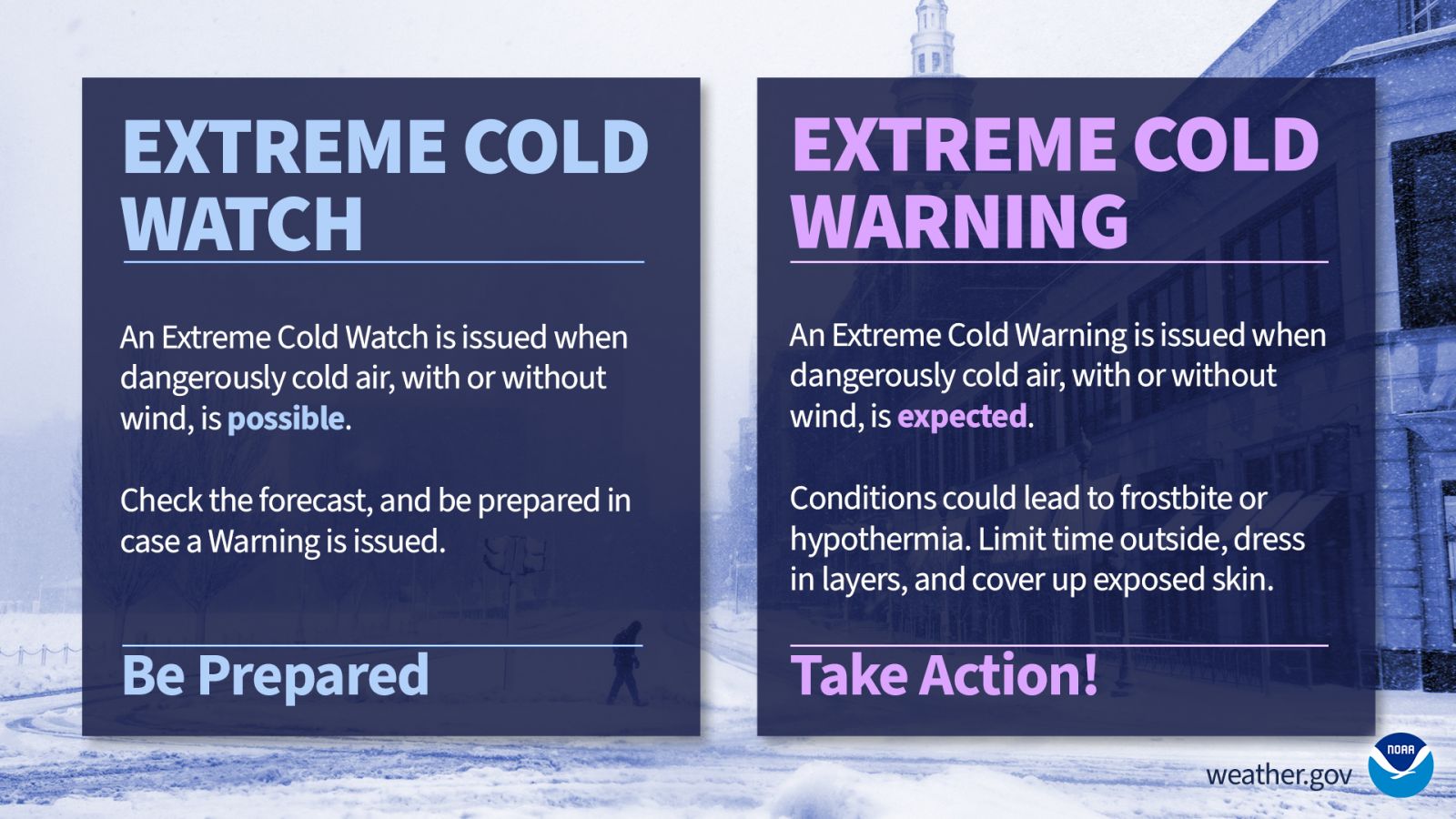
According to the National Weather Service, an Extreme Cold Watch is issued when there is a potential for dangerously low temperatures, prompting residents to take precautions. For business leaders and HR professionals, this means ensuring that employees remain safe during periods of extreme cold and that organizational processes are in place to handle weather-related disruptions.
What is an Extreme Cold Watch?
An Extreme Cold Watch is typically issued a few days before anticipated dangerously low temperatures arrive. This advisory signifies that the temperatures are expected to be lower than usual and can result in life-threatening conditions if appropriate measures are not taken.
The National Weather Service (NWS) issues this watch alongside a defined wind chill advisory which highlights the exacerbating effects of wind on actual temperature readings. Understanding the combination of these factors is essential for ensuring safety and preparedness during winter storms.
The Importance of Wind Advisory
A Wind Advisory is an important aspect that often accompanies an Extreme Cold Watch. Strong wind chills can lead to a significant decrease in temperature perception, making it feel much colder than the actual air temperature. The combination of wind and cold can create a hazardous environment, especially for those who work outside or commute during severe weather.
Wind advisories are generally issued when sustained winds are expected to be between 20-30 mph, or wind gusts may reach over 40 mph. This not only increases the risk for frostbite and hypothermia but can also impact traveling conditions, making it essential for businesses to provide timely updates to employees during these periods.
Impact on Businesses and HR Practices
For business leaders and HR professionals, understanding how to navigate the challenges posed by an Extreme Cold Watch and accompanying Wind Advisory is critical. Here are several steps to take:
- Employee Safety Policies: Establish clear policies regarding outdoor work during extreme cold conditions. Ensure that employees are aware of the necessary protective gear and measures to take during severe weather.
- Flexible Work Arrangements: Consider allowing remote work options for employees who can perform their duties from home. This can help mitigate risks associated with commuting in extreme cold weather.
- Clear Communication: Use multiple channels to relay warnings and advice from weather services to staff members. Regular updates can prepare employees and facilitate a plan of action.
- Emergency Protocols: Develop and communicate emergency protocols for situations arising from extreme cold, ensuring employees know the steps to take if they encounter severe weather unexpectedly.
Preparing for Extreme Cold Weather
Preparing for extreme cold weather involves not just dressing appropriately but also planning ahead. Here are a few strategies to ensure safety and continuity of operations:
- Weather Monitoring: Regularly monitor weather forecasts and alerts from the National Weather Service and local news outlets. Know when to expect an Extreme Cold Watch and Wind Advisory.
- Emergency Kits: Businesses should consider having emergency kits on hand that include blankets, food supplies, first aid materials, and any necessary medications for conditions exacerbated by cold exposure.
- Training Sessions: Consider conducting training sessions that focus on recognizing the signs of frostbite and hypothermia, in addition to general safety practices in extreme weather conditions.
The Bottom Line
While weather conditions are often unpredictable, understanding the risks associated with extreme cold watches and wind advisories can empower organizations to protect their people. Awareness and proper preparation are key to mitigating the hazards posed by extreme cold weather.
For organizations, prioritizing employee safety during arctic conditions not only safeguards your workforce’s well-being but also ensures business continuity. Stay informed, take action, and ensure that your team is equipped to handle whatever winter has to throw their way.
For more detailed information about weather hazards and advisories, visit the National Weather Service. Keeping abreast of these warnings can make a significant difference in safety and preparedness during winter months.