

What is a Winter Storm Watch?
As winter approaches, many regions experience severe weather changes, leading to the issuance of weather notifications that are crucial for public safety. One such notification is the winter storm watch, which serves as an early warning to prepare for potentially hazardous winter weather conditions. In this post, we will dive deep into what a winter storm watch entails, associated risks, and how you can stay safe during these winter weather advisories.
The Importance of Winter Weather Advisories
The National Weather Service (NWS) issues winter weather advisories when they expect winter storms that could pose hazards. Understanding these advisories is essential for everyone, especially for HR professionals and business leaders responsible for the safety and well-being of their employees, particularly during winter months. For more detailed information, you can visit the official source at Weather.gov.
When Is a Winter Storm Watch Issued?
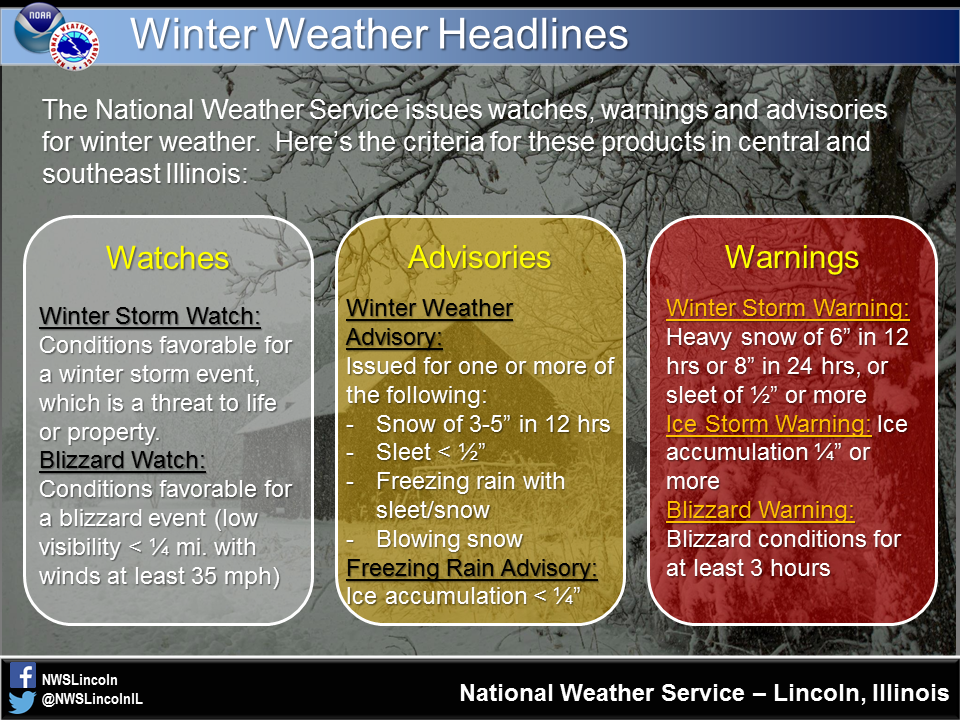
A winter storm watch is primarily issued when conditions are favorable for a significant winter storm to occur, typically involving estimated snowfall of more than six inches, ice accumulations, or a mix of both. The issuance of this watch is meant to alert residents to the possibility of severe winter weather that may disrupt travel, emergency services, and daily activities.
What Can You Expect During a Winter Storm Watch?
While not an alert that guarantees severe weather, the watch allows individuals and businesses to take proactive measures. It suggests that:
- Continuous monitoring of weather forecasts is necessary.
- Prepare emergency kits with essentials such as food, water, and medical supplies.
- Evaluate travel plans, especially for commuting workers.
How to Prepare for a Winter Storm Watch
Preparation is key to ensuring safety during winter storms. Here are steps you can take when a winter storm watch is issued:
- Stay Informed: Monitor the weather updates regularly from trusted sources like the NWS.
- Emergency Kits: Assemble an emergency kit that includes items such as extra batteries, flashlights, blankets, and non-perishable food.
- Vehicle Preparedness: If travel is necessary, keep your vehicle equipped with an emergency kit, including a shovel, ice scraper, and sand or kitty litter for traction.
- Communication Plans: Establish a communication plan with employees. Considering alternative work arrangements, like remote work, can be beneficial during severe weather conditions.
Responding to a Winter Storm Warning
If the winter storm watch escalates to a warning, it means that dangerous winter weather is imminent or already occurring. In this case, further measures must be taken:
- Limit travel unless absolutely necessary.
- Ensure that all power sources are functioning, and charge phones and other devices.
- Stay indoors and remain warm. If heat goes out, use alternate heat sources cautiously.
Dealing with the Aftermath of a Winter Storm
After a winter storm has passed, it is crucial to assess the situation carefully. Follow these recommendations:
- Stay Safe on the Road: Conditions can remain treacherous after the storm. Avoid travel until road crews have cleared the area.
- Check on Others: Reach out to family, friends, and employees, especially the elderly or those with limited mobility.
- Repair and Recovery: Inspect your property for damage, and report any hazards in your neighborhood.
Conclusion
Understanding the significance of winter storm watches and how to respond can make a crucial difference in ensuring safety during harsh winter conditions. Encourage your team members to stay prepared and promote a culture of safety in your organization. For more information about winter weather advisories and updates, visit Weather.gov.