


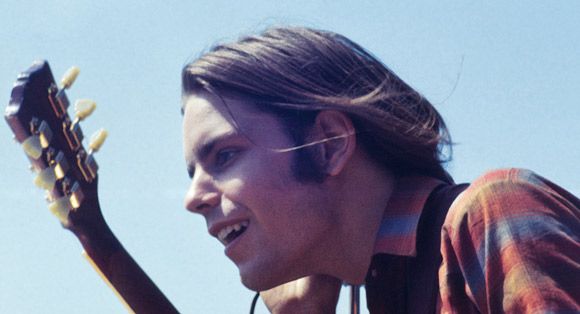
Bob Weir: The Heartbeat of the Grateful Dead
Bob Weir, as a founding member of the legendary band the Grateful Dead, has carved out an indelible mark on the musical landscape not just through his guitar work, but through his presence, spirit, and contributions to the band’s iconic sound. This article delves into Bob Weir’s illustrious career, his connection to the Grateful Dead, and the ongoing legacy of the band that has captivated millions across generations.
From the very inception of the Grateful Dead in 1965, Weir, along with Jerry Garcia, Phil Lesh, and other bandmates, laid the groundwork for what would become a musical phenomenon. The Grateful Dead’s unique blend of rock, folk, bluegrass, and jazz elements created a sound that was not only innovative but also deeply resonant with fans known as “Deadheads.” Acknowledging Bob Weir’s contributions is essential in understanding the essence and magic of the Grateful Dead.
A Brief History of Bob Weir and the Grateful Dead
Born on October 16, 1947, in San Francisco, California, Bob Weir started playing guitar in his teenage years and soon became a pivotal figure in the burgeoning music scene of the 1960s. The Grateful Dead was formed in the vibrant milieu of the San Francisco music scene, diversifying the landscape of American music with their innovative live performances and spontaneous jams, a hallmark that captured the hearts of fans.
Throughout their career, the Grateful Dead embraced a philosophy of experimentation. Weir’s rhythm guitar playing complemented Garcia’s melodic leads, creating a dynamic partnership. Hits like “Sugar Magnolia” and “Me and My Uncle” spotlight Weir’s distinctive vocal style and songwriting prowess, showcasing his ability to captivate audiences with storytelling through music.
The Enduring Influence of the Grateful Dead
The Grateful Dead’s influence extends beyond music into the realms of culture and community. They pioneered the concept of the live concert tour and the notion of a dedicated fanbase. Thanks to technology, their concerts were recorded and circulated, allowing their music to reach audiences far and wide, contributing to their lasting legacy.
Today, the spirit of the Grateful Dead lives on through various tribute bands and Weir’s ongoing musical endeavors, including the band Dead & Company, which features Weir alongside former members of the Grateful Dead and other renowned musicians. Weir continues to perform and explore new musical territories, proving that at heart, the music continues to evolve while honoring its roots.
Bob Weir: A Multifaceted Artist
Beyond his role in the Grateful Dead, Bob Weir is a multifaceted artist who has pursued numerous solo projects. His albums, including “Ace” and “Blue Mountain,” reflect his growth as an artist and songwriter, embracing themes of nature, love, and life experiences. Weir blends genres, drawing on influences from country, rock, and blues, showcasing his versatility and depth as a musician.
Weir is also known for his environmental advocacy and philanthropic efforts. His commitment to various causes, including the environment and social justice, demonstrates that his influence extends beyond music, impacting communities in meaningful ways.
The Legacy and Fandom of Bob Weir
The community built around the Grateful Dead, and significantly around Bob Weir himself, is a testament to the music’s power to unify. Deadheads are not just fans; they are part of a movement, a culture that values the openness and improvisational nature of the band’s performances. Concerts are known for their festival-like vibes, with fans camping out and attending multiple shows, reinforcing community bonds.
This communal aspect highlights the emotional resonance of Weir’s music, emphasizing connection, celebration, and freedom. Generations have come together to share their love of the Grateful Dead, passing down the songs and stories that accompany their experiences.
Conclusion: Weaving through Time
As we reflect on Bob Weir’s contributions to music and the cultural tapestry woven by the Grateful Dead, we are reminded of the enduring nature of art and connection. Weir’s journey—from a young guitarist in the 1960s to a revered musical icon—illustrates not only his growth but the evolution of music itself. The Grateful Dead, and Weir’s central role within it, teaches us the importance of authenticity, creativity, and building communities through shared experiences.
As we celebrate Bob Weir and the remarkable legacy of the Grateful Dead, we are encouraged to look forward, while joyfully reflecting on the past. For more insights into Bob Weir and the Grateful Dead, check out this piece from The New Yorker.