



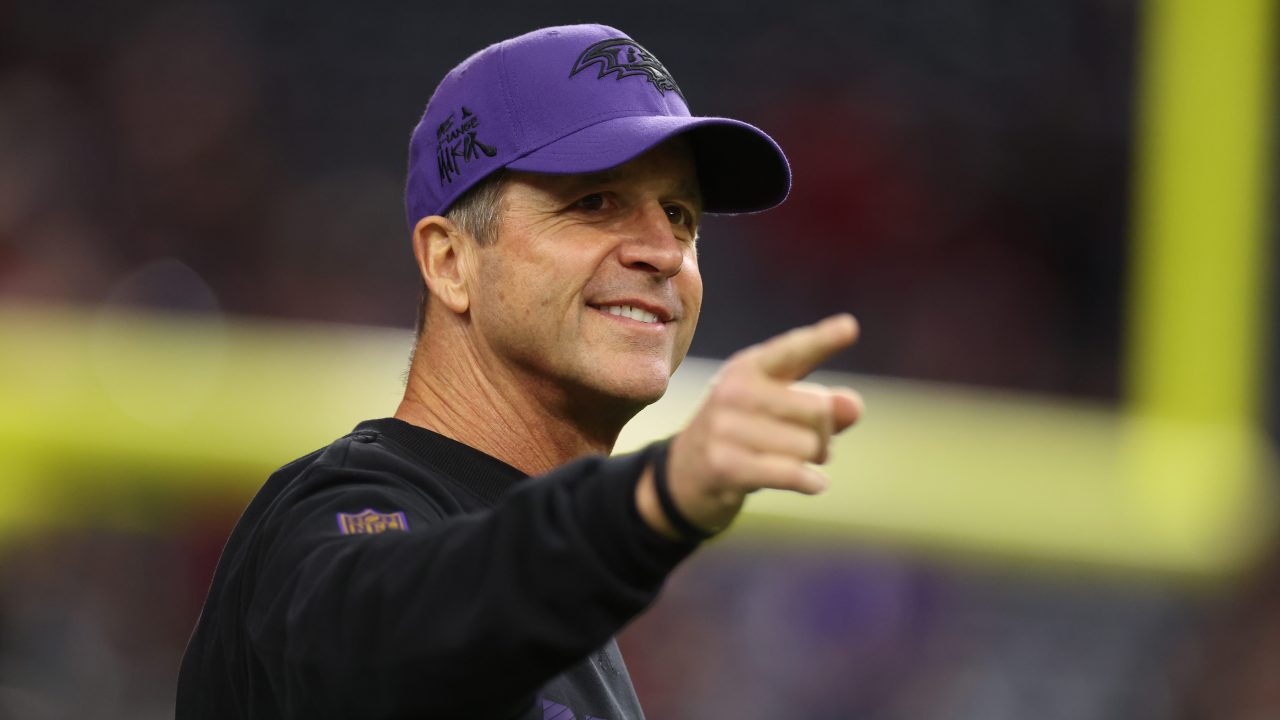
John Harbaugh and the Ravens: A Legacy of Excellence
John Harbaugh has become synonymous with leadership excellence in the NFL, particularly during his time as head coach of the Baltimore Ravens. His journey with the team is not just a story of victories and losses; it’s a roadmap of resilience, leadership, and strategic acumen in professional sports. In this article, we’ll explore Harbaugh’s multifaceted career, the impact he has made on the Ravens, and what his future might hold as his current contract approaches its conclusion.
Harbaugh’s Rise to Prominence
Before taking the reins of the Ravens in 2008, John Harbaugh built a solid foundation in coaching. His career began in the college ranks before he transitioned to the NFL, starting as a special teams coach with the Philadelphia Eagles under Andy Reid. His experience there equipped him with a tactical mindset and a nuanced understanding of player management—skills crucial for leading a successful team in the high-pressure environment of the NFL.
Harbaugh’s ascent in the NFL was marked by a focus on special teams and defense, areas often overlooked in the glitz of offensive play. His coaching style emphasizes discipline, accountability, and a strong work ethic, all of which have become hallmarks of the Ravens’ identity. As his journey unfolded, Harbaugh established himself as a leader capable of nurturing young talent while managing seasoned professionals—a balance that resonated well within the Ravens organization.
The Harbaugh Effect on the Ravens
Since his hiring in 2008, John Harbaugh has led the Ravens through various challenges and triumphs, including their Super Bowl XLVII victory in 2013. This championship win not only solidified Harbaugh’s reputation as an elite coach but also reinforced the Ravens’ culture of resilience and excellence. Under his guidance, the team has consistently demonstrated the ability to overcome adversity.
One of the distinguishing features of Harbaugh’s coaching philosophy is his commitment to player development. He believes that nurturing talent goes beyond just skill enhancement; it incorporates mental and emotional growth. This holistic approach has seen many Ravens players reach their potential, producing stars capable of leading the team on and off the field.
Moreover, Harbaugh’s adaptability is a testament to his leadership. He has navigated through changes in team dynamics, injuries, and the evolving landscape of the NFL itself. This adaptability extends to his game plans, where he has embraced modern trends in the sport, including advanced analytics and innovative strategies.
Contract Talks and Future Implications
As of 2025, the conversation surrounding John Harbaugh’s future with the Ravens has intensified. His contract has become a focal point for fans and analysts alike, leading to questions about longevity, loyalty, and performance metrics. The Ravens have emerged as strong competitors in the AFC, and a significant portion of that success can be traced back to Harbaugh’s leadership. According to an article from Sportico, discussions regarding Harbaugh’s salary and contract renewal could dictate the strategic direction of the Ravens’ franchise in the coming years.
In negotiating his contract, various factors come into play. These include team performance over the years, the competitive landscape of the league, and Harbaugh’s remarkable ability to bring out the best in his players and staff. Understanding these dynamics is essential for HR professionals and business leaders, as it reflects how successful leadership can hinge on strategic decision-making and foresight.
Leadership Lessons from John Harbaugh
John Harbaugh’s journey is filled with lessons for HR professionals and leaders in any industry. His approach to leadership emphasizes several key strategies:
- Empowerment: Harbaugh empowers his players to take ownership of their roles. This method fosters accountability and promotes a culture of excellence, where everyone feels they contribute to the team’s success.
- Resilience: Harbaugh teaches the importance of bouncing back from setbacks. His ability to maintain team morale through challenging periods inspires the members to push through adversity.
- Innovation: Embracing new technologies and strategies keeps the team competitive. Just as Harbaugh adapted to shifts in the NFL, leaders in all sectors should be open to innovations that enhance performance.
- Communication: Open and honest dialogue is a cornerstone of his coaching style. Effective leaders foster an environment where feedback flows both ways, enhancing team cohesion.
Conclusion
As we reflect on John Harbaugh’s tenure with the Baltimore Ravens, it’s evident that his influence transcends the football field. He has built a legacy rooted in excellence, resilience, and an unwavering commitment to developing both individuals and teams. The ongoing discussions surrounding his contract and future hold significant implications for the Ravens and their pursuit of success.
For HR professionals and business leaders, Harbaugh’s practices offer a blueprint for nurturing talent and fostering a supportive organizational culture. As we look forward to the next chapters of his career and the Ravens’ journey, it’s a compelling reminder of how effective leadership can shape an organization’s destiny.