



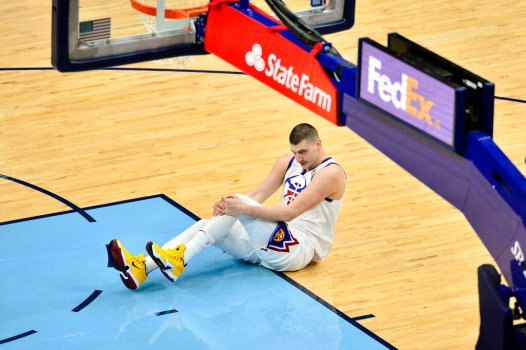
Understanding the Jokic Injury: What It Means for the NBA and the Denver Nuggets
In recent sports news, one query has dominated conversations among basketball enthusiasts and analysts alike: Jokic injury. As the leader of the Denver Nuggets and a frontrunner for MVP honors, Nikola Jokic’s health has tremendous implications for his team and the larger NBA landscape. Whether you’re an HR professional or a business leader, understanding the nuances of this situation can highlight the intersection of sports, business strategy, and resilience.
Nikola Jokic has been a transformative figure for the Denver Nuggets. His ability to play both as a center and as a point guard has given the Nuggets a unique advantage, and any injury-related setback can ripple through the team dynamics and their overall performance. For those unfamiliar with recent events, you might want to check out a comprehensive overview from Denver Post, which details Jokic’s injury scare during a crucial part of the season.
The Importance of Jokic to the Nuggets
Jokic’s impact on the Nuggets cannot be overstated. His scoring ability, court vision, and passing skills make him not only a high-scoring threat but also a facilitator for his teammates. This season, he has consistently averaged over 25 points, 10 rebounds, and 8 assists per game, showcasing his all-around game. His potential injury could thus disrupt the on-court synergy established through his gameplay.
Analyzing the Injury Event
The injury episode in question occurred during a tense match that could be considered a turning point in the Nuggets’ season. Reports indicated that Jokic experienced discomfort during the game yet managed to continue playing until it physically slowed him down. This typical yet alarming incident is a common occurrence in high-stakes sports, where players often push through pain for the sake of their teams. An essential factor for leaders in HR and business is recognizing how such sport-related injuries can serve as a lesson in workplace resilience and team dynamics.
Implications for Team Dynamics
When a leader like Jokic suffers an injury, it significantly alters the dynamics within the team. The Nuggets relied heavily on Jokic not only for scoring but also for leadership on the floor. His absence means that other players must step up, which can lead to an increase in stress and pressure, reminiscent of what business leaders face during challenging times.
Moreover, the Nuggets’ coaching staff has to recalibrate their game plans, creating strategies that compensate for a significant player’s absence. This adaptability is key: just as businesses must pivot during challenging periods, sports teams must adjust to maintain competitiveness in the absence of a star player.
Business Lessons from Jokic’s Injury
1. **Leadership in Adversity**: Just as Jokic is a pivot point for the Nuggets, effective leadership in business during times of change is essential. How HR professionals and business leaders respond to the loss of critical members can define organizational resilience.
2. **Fostering Team Morale**: Injuries can create disbelief and doubt. Businesses must facilitate communication and support among team members to foster morale and maintain productivity.
3. **Plan for Contingencies**: Teams that are prepared for injuries can adapt more effectively. This is analogous to crisis management in organizations where existing plans must be adaptable to unexpected changes.
The Recovery Journey
Currently, the recovery timeline for Jokic remains uncertain. Medical evaluations are crucial and emphasize the importance of adequate recovery processes in ensuring player health, which translates to broader workplace health discussions in corporate environments.
Healthcare professionals and fitness trainers play a vital role in rehabilitating athletes and ensuring they return to their optimal performance levels. This aspect mirrors the necessity for businesses to invest in employee wellness and the importance of maintaining a healthy work-life balance, as these factors are critical for workforce efficiency and loyalty.
Conclusion
Jokic’s injury draws attention to myriad issues related to team performance, leadership resilience, and organizational adaptability. As basketball fans await updates, business leaders can learn valuable lessons about preparing for contingencies, fostering team cohesion, and supporting leadership roles within their organizations. The ‘Jokic injury’ narrative reminds sports enthusiasts and business professionals alike that in the face of adversity, successful recovery relies on strategization, teamwork, and unwavering support.