



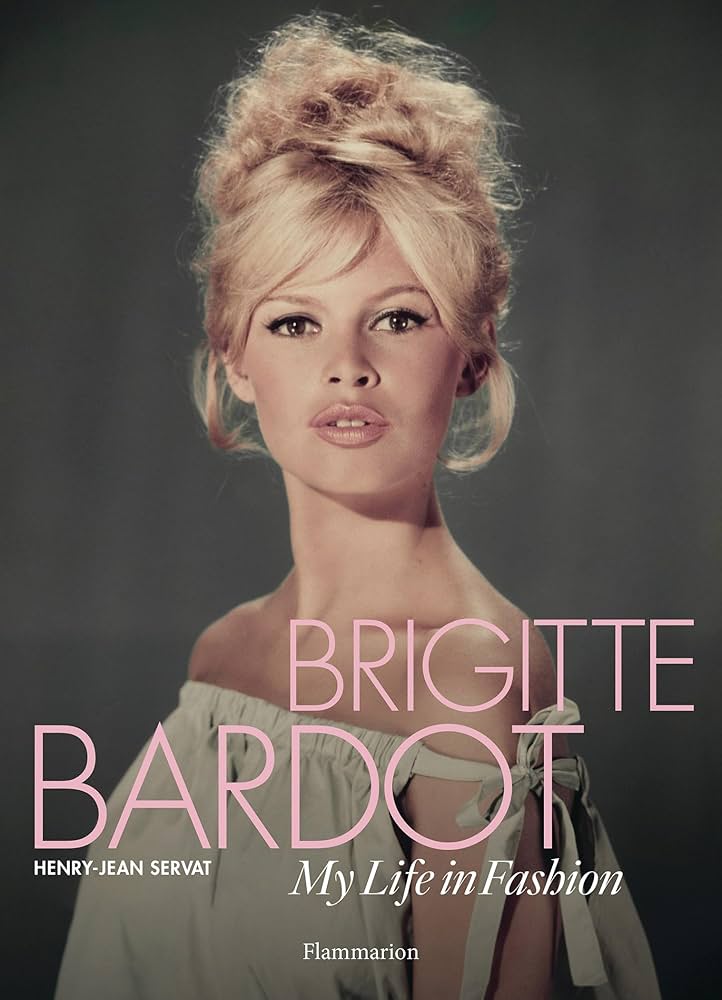
Brigitte Bardot: The Icon of French Cinema and Cultural Revolution
Brigitte Bardot is not just a name; she is a symbol of an entire era and a pivotal figure within the landscape of French cinema and culture. Often referred to as one of the most significant sex symbols of the 20th century, Bardot’s influence extends far beyond her film career, impacting fashion, media, and even animal rights activism. In this blog post, we delve deep into her life, career, and the cultural phenomena she instigated, reflecting on how Brigitte Bardot embodies the essence of freedom and rebellion that resonated throughout the 1960s and beyond.
Born on September 28, 1934, in Paris, France, Bardot grew up to embrace the arts and performing from a young age. Her beauty and charisma quickly caught the attention of the film industry, leading to her debut in the movie Le Trou Normand in 1952. However, it was her role in the 1956 film And God Created Woman that catapulted her to international stardom. Directed by Roger Vadim, Bardot’s portrayal of a free-spirited woman became a cinematic milestone, capturing the essence of 1960s sexual liberation and the evolving role of women in society.
Throughout her career, Bardot starred in a number of films that showcased her wide range of talents, including Vie Privée, La Vérité, and Les Femmes. Her collaborations with some of the finest directors of the time, including Jean-Luc Godard and François Truffaut, helped to define the French New Wave cinema. Bardot’s impact went beyond just acting; she became an icon of style, inspiring fashion trends and embodying the ‘chic’ French look with her trademark blonde hair, sultry style, and nonchalant attitude.
However, as her popularity soared, so did her desire for privacy. In 1973, at the young age of 39, Bardot decided to retire from acting, a move that shocked fans worldwide. She sought to distance herself from the pressures of fame and the superficial demands of the film industry. Instead, Bardot turned her focus towards animal rights activism, establishing the Brigitte Bardot Foundation for the Welfare of Animals. Her commitment to animal rights has been one of the most significant aspects of her post-acting career, highlighting her enduring passion for issues close to her heart.
Bardot’s life has not been without controversy. Throughout her career and retirement, she has been involved in several polarizing statements regarding immigration and French national identity. These statements have sparked widespread debate, reflecting the tension within contemporary France concerning culture and national identity. Nonetheless, Bardot remains a compelling figure who continues to invoke strong reactions.
If we look at Bardot’s legacy, it is incomplete without acknowledging her profound impact on simple yet empowering phrases, like “I am beautiful, but not a slave to beauty”. This statement signifies her rejection of traditional norms of femininity and her plea for authenticity. No longer just an object of desire, Bardot became a voice advocating for individual freedom and expression.
In conclusion, Brigitte Bardot is more than a cinematic icon; she personifies the cultural revolution of her time, advocating for freedom in various aspects of life. Her journey from a starlet in the glitzy world of cinema to a passionate activist underscores the complexity of her character. As we continue to celebrate her contributions to film and society, we also recognize the lasting message of independence and advocacy for causes that matter. For more information on her life and career, visit Brigitte Bardot’s Wikipedia page for deeper insights into her filmography and advocacy work.