



Understanding Pancreatic Cancer Symptoms: Insights from Ben Sasse’s Journey
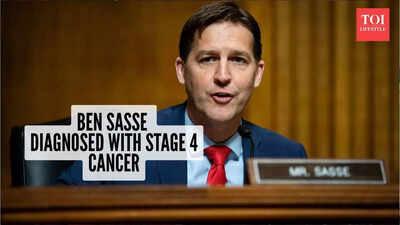
In a recent revelation that has sent ripples through the political and medical communities, former Senator Ben Sasse disclosed his battle with stage four pancreatic cancer at the age of 53. This news has raised significant awareness about pancreatic cancer, a condition that often remains in the shadows until it’s too late. But what exactly are the symptoms of this aggressive form of cancer? In this blog post, we will delve into the details of pancreatic cancer symptoms, exploring their implications and importance in early detection.
Pancreatic cancer is one of the deadliest forms of cancer, primarily due to its late diagnosis. According to the Times of India, Sasse described how he experienced health issues that prompted him to seek medical advice, leading to his diagnosis. Understanding the symptoms of pancreatic cancer could be crucial for early intervention and improving survival rates.
What is Pancreatic Cancer?
Pancreatic cancer develops in the tissues of the pancreas, an essential organ located behind the stomach. It plays a significant role in digestion and regulating blood sugar levels. The pancreas comprises exocrine and endocrine cells, with the majority of pancreatic cancers arising from exocrine cells, leading to conditions such as pancreatic ductal adenocarcinoma.
Common Symptoms of Pancreatic Cancer
Recognizing the symptoms of pancreatic cancer is critical for timely diagnosis and treatment. Here are the most common symptoms associated with this condition:
- Abdominal pain: Often described as a dull ache or discomfort that can radiate to the back.
- Unexplained weight loss: Patients may lose significant weight without attempting to do so due to changes in appetite or metabolism.
- Jaundice: Yellowing of the skin and eyes can occur if the tumor blocks the bile duct.
- New onset diabetes: Sudden changes in blood sugar levels can indicate the presence of pancreatic cancer.
- Fatigue: A sense of persistent tiredness can occur, impacting daily activities.
- Changes in stools: Pale, greasy stools or diarrhea may be noticeable due to malabsorption of nutrients.
It’s important for individuals, particularly those with risk factors such as family history or chronic pancreatitis, to be vigilant about these symptoms. In Ben Sasse’s case, his decision to see a doctor when experiencing health issues exemplifies the proactive approach that can lead to earlier detection.
Risk Factors for Pancreatic Cancer
Several factors may increase one’s risk of developing pancreatic cancer:
- Age: The risk increases significantly with age, especially after 45 years.
- Family history: A family history of pancreatic cancer may increase risk, indicating a genetic predisposition.
- Smoking: Tobacco use is a well-known risk factor for many cancers, including pancreatic cancer.
- Obesity: Excess body weight can contribute to the development of this disease.
- Diabetes: Individuals with diabetes may have a higher risk, especially if diagnosed later in life.
Importance of Early Detection
Early detection of pancreatic cancer can significantly impact the outcome of the disease. Symptoms like those experienced by Sasse should prompt individuals to consult healthcare professionals without delay. While there are no standard screening tests for the general population, awareness and prompt medical assessment of symptoms can lead to timely interventions.
Conclusion
Ben Sasse’s battle with stage four pancreatic cancer brings attention to the realities of this disease. Patients facing such challenges can benefit from understanding the symptoms and risk factors associated with pancreatic cancer. Awareness is vital not only for those directly affected but also for family members and friends who can encourage loved ones to seek medical advice when necessary.
In conclusion, being informed about pancreatic cancer symptoms can play a crucial role in early detection and treatment. If you or someone you know is experiencing any of the aforementioned symptoms, encourage them to speak with a healthcare provider. For more insights, you can follow the latest updates on Ben Sasse’s journey and other related health news from sources like the Times of India as we collectively navigate these challenging health topics.