



Tennessee Special Election Results: Analyzing the Outcomes of the TN Special Election
The recent Tennessee special election has garnered significant attention as residents and political analysts alike scrutinize the results and their implications. Held to fill a vacant U.S. House seat, the election results provide crucial insights into the political landscape of Tennessee, especially as we approach future elections.
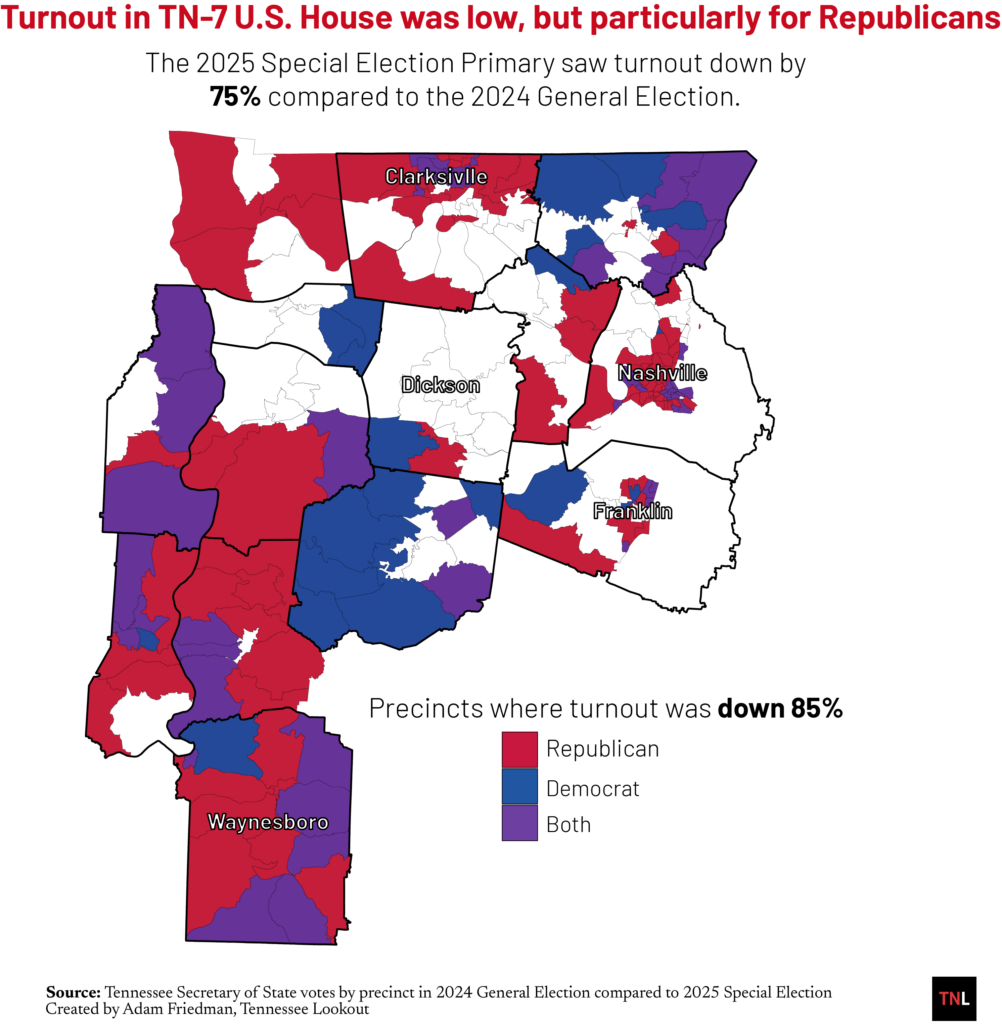
One of the most notable findings from this election is the remarkable decrease in voter turnout, which was reported to be down by a staggering 75% in certain regions of Middle Tennessee, particularly in traditional Republican strongholds. According to a report from Tennessee Lookout, this dramatic fall in participation raises questions about voter engagement strategies and the political climate in the state.
In this article, we will dive deep into the Tennessee special election results, analyzing key factors that contributed to the turnout dynamics, the candidates’ performances, and what this means for the future of Tennessee politics.
Understanding the Context of the Special Election
Special elections are often held to address unexpected vacancies due to resignations, deaths, or other scenarios where representation is suddenly needed. In Tennessee’s case, the special election emerged following the resignation of a long-serving Congressman. The urgency of filling this position comes at a time when the political stakes are high, with significant implications for policy-making at the federal level.
Voter Turnout: A Critical Look
The downturn in voter turnout is particularly alarming and indicative of broader trends that could affect upcoming elections. Reports indicated that across Middle Tennessee, areas that typically see robust Republican support experienced this unprecedented decline. Local political analysts are now pondering the causes behind this disengagement. Factors may include a general apathy towards the candidates, shifting demographics, or dissatisfaction with the political parties themselves.
Engagement is critical, especially for political parties that have historically relied on high turnout in these regions. Without a motivated base, Republican candidates may find themselves struggling in future elections as voters become increasingly disillusioned.
Candidate Analysis
The special election featured several candidates, each bringing their own agendas and approaches to the campaign. Understanding how these candidates fared is essential for grasping the election’s overall impact. For example, some candidates positioned themselves more towards traditional party lines, while others attempted to resonate with broader, more modern voter bases.
Importantly, a candidate’s success can often hinge on their ability to connect with constituents. Reports suggest that candidates who failed to address local issues faced greater difficulty mobilizing voters. Conversely, those who focused on grassroots outreach and community engagement witnessed a more favorable reception despite the overall dropout in participation.
Implications for Future Elections
The implications of the Tennessee special election results extend beyond just the immediate outcomes. Political scientists and strategists are already analyzing what this means for the future of elections not only in Tennessee but across the country.
This election could signal a shift in how candidates approach their campaigns. For one, local issues rather than national party platforms may become increasingly important in attracting voters. Additionally, adapting strategies to engage underrepresented groups may become a focal point for both major parties.
Engaging the Electorate Moving Forward
To address the declining voter turnout, political parties and candidates must develop more effective voter engagement strategies. This could include town hall meetings, community service initiatives, and enhanced communication platforms that facilitate dialogue between constituents and their representatives.
Moreover, understanding the sentiments of voters—especially in Republican strongholds that underperformed—will be crucial. Targeted outreach efforts that speak directly to voter concerns and aspirations can help rebuild trust and participation in the electoral process.
Conclusion: The Road Ahead for Tennessee Politics
The analysis of the Tennessee special election results is more than just a snapshot of a singular event; it represents a vital moment in understanding the evolving political landscape of the state. As officials reflect on the implications of this election, both the successes and challenges should serve as a guide for future campaigns.
Looking forward, Tennessee’s political climate will demand adaptability, empathy, and innovative outreach strategies to ensure that voters not only turn out but feel represented. The implications of the recent election serve as a critical reminder that engaging with the electorate is more important than ever.
By analyzing results and understanding community dynamics, political candidates can better prepare for the upcoming challenges and opportunities that lie ahead in Tennessee’s vibrant electoral process.