


Understanding Winter Storm Watches and Weather Advisories
Winter is here, and with it comes the beauty of snowy landscapes and the excitement of winter sports. However, along with these delights, winter also brings potential hazards. One of the most critical alerts that should not be overlooked during these months is the winter storm watch. In this article, we will explore what a winter storm watch entails, how it differs from a winter weather advisory, and the best practices to stay safe and prepared.
What is a Winter Storm Watch?
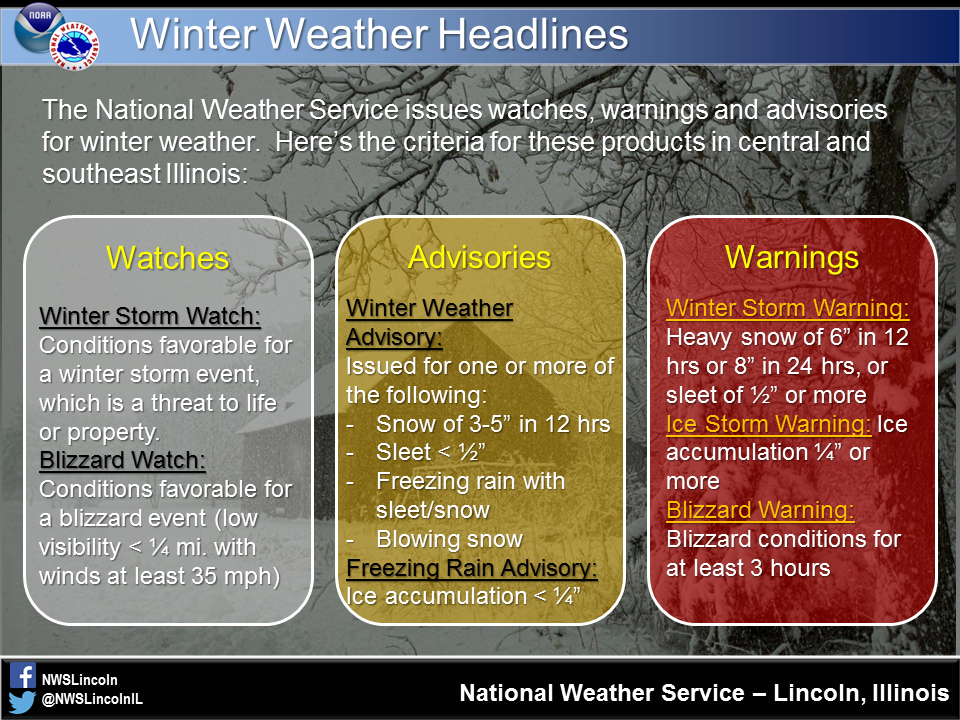
A winter storm watch is issued by meteorological authorities, typically the National Weather Service (NWS), when forecasted weather conditions indicate an increased likelihood of significant winter weather in the upcoming days. This watch can encompass heavy snow, sleet, freezing rain, or a combination of these conditions, all of which can disrupt daily activities and pose serious safety risks.
In essence, a winter storm watch does not confirm that a winter storm will happen but warns of the potential for severe weather. It is crucial to stay informed as the situation may evolve into either a winter storm warning or advisory, indicating the impending threat of hazardous conditions.
Understanding Winter Weather Advisories
Poor winter weather conditions can have varying degrees of impact. This is where the winter weather advisory comes into play. Unlike a winter storm watch, which indicates the potential for severe conditions, a winter weather advisory informs the public about winter weather events that are occurring or expected, which may cause travel difficulties or similar disruptions.
The National Weather Service issues these advisories when winter weather conditions are likely to produce a certain amount of snow, or mix of precipitation, resulting in adverse effects. This could mean slippery roads, reduced visibility, or other hazards that could affect your commute or daily operations.
How to Prepare for a Winter Storm Watch
Preparation is key to staying safe during winter storms. Here are some steps you can take:
- Stay Informed: Regularly check reliable sources like weather.gov for updates on storm watches and advisories.
- Emergency Kit: Have an emergency kit ready with essentials such as food, water, batteries, and medication.
- Plan Ahead: Consider your travel plans, and if a storm is on the horizon, postpone non-essential travel.
- Secure Your Property: Ensure your home is equipped to handle winter conditions by insulating pipes, clearing gutters, and checking roof stability.
- Stay Connected: Inform friends and family of your plans and let them know if you’re home safe.
Recognizing the Signs of a Winter Storm
Monitoring the weather is essential for identifying signs of an impending storm. Key indicators that a winter storm may be approaching include:
- Sudden drops in temperature
- Changes in wind direction and speed
- Increased cloudiness, particularly with dark gray clouds
- Forecast predictions that include substantial snow accumulations or freezing precipitation
Being proactive and understanding these signs can significantly aid in preparation efforts.
What to Do During a Winter Storm Watch
When a winter storm watch is in effect, it is essential to monitor the situation closely and follow these safety tips:
- Follow Weather Updates: Check the National Weather Service and local news outlets for live updates.
- Exercise Caution: If travel is necessary, plan for delays and be cautious on the roads, adhering to speeds that are safe given the conditions.
- Stay Indoors: If possible, remain indoors during a winter storm to avoid unnecessary risks.
- Power Safety: If you experience a power outage, be cautious with generators to prevent carbon monoxide poisoning. Place them outdoors and away from windows.
Post-Storm Safety Considerations
After the storm has passed, there are still important considerations to keep in mind:
- Clear Pathways: Remove snow from walkways and driveways to prevent accidents or injuries.
- Check for Hazards: Look out for downed power lines or tree branches, and report these hazards to local authorities.
- Assess Damage: Inspect your property for any damage, documenting it for insurance purposes if necessary.
Conclusion
Winter storms can be beautiful but dangerous. By understanding the meaning behind a winter storm watch and how it differs from winter weather advisories, you can take proactive measures to ensure your safety and preparedness for the season. Remember to constantly monitor updates from reliable weather resources like weather.gov and to communicate with family and friends about safety plans. As the winter progresses, stay warm, stay safe, and enjoy all the winter season has to offer!