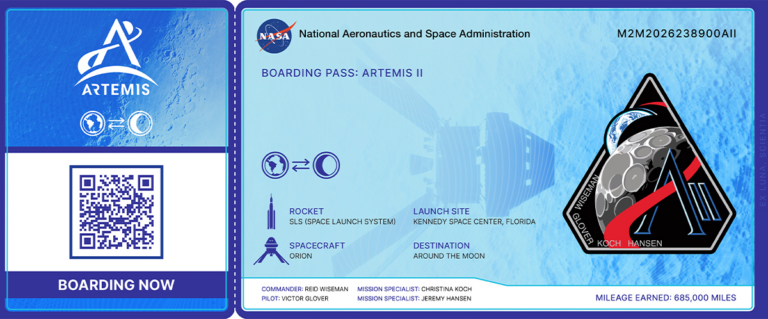


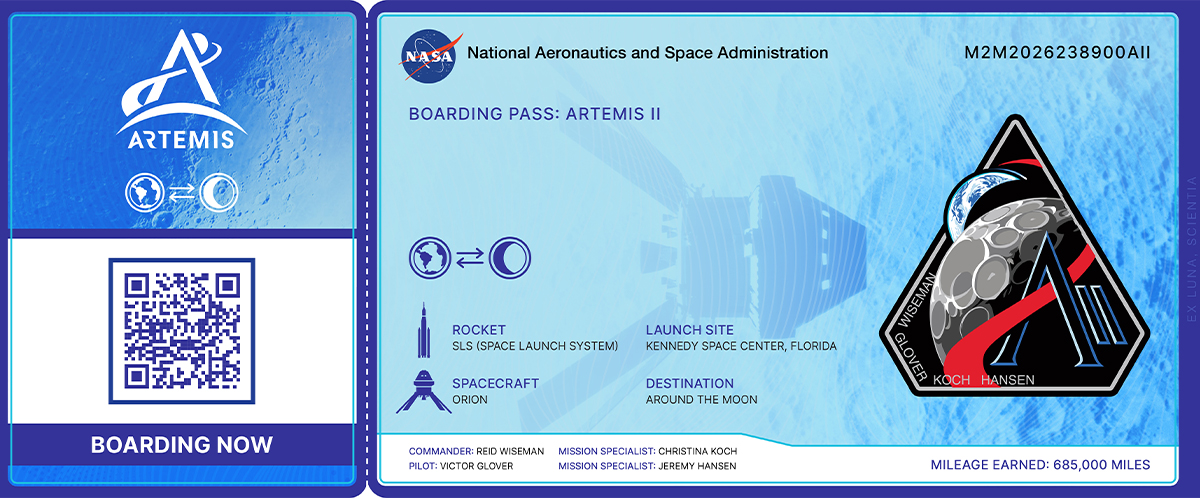
Where is Artemis 2 Now? Tracking NASA’s Historic Lunar Mission
The Artemis II mission represents a significant next step in NASA’s plan to return humans to the Moon and eventually facilitate further exploration of Mars. As the second mission in the Artemis program, it aims to put astronauts in orbit around the Moon by 2024. In this blog post, we provide a comprehensive overview of where Artemis 2 is currently and what it means for the future of space exploration.
The Current Status of Artemis 2
As of now, Artemis 2 is in the critical pre-launch phase, preparing for a mission designed to last approximately ten days. This mission is designed as a crewed flight test, following the successful uncrewed Artemis I mission. During the upcoming launch, four astronauts will orbit the Moon, testing spacecraft systems and preparing for lunar activities planned for future missions.
The Artemis II mission will serve as a crucial stepping stone leading to the Artemis III mission, which is set to return humans to the Moon’s surface, specifically to the lunar South Pole region, by 2025. The current focus is on finalizing the spacecraft, conducting ground tests, and confirming astronaut readiness.
Tracking Artemis II: The Latest Updates
For live tracking and updates, NASA has set up a dedicated Artemis II tracker available on their official website and various dedicated platforms. This tracker allows enthusiasts and the general public to follow the mission’s progress in real time. You can access additional information and specific updates at this link.
The Artemis II mission aims to lead NASA toward establishing a sustainable human presence on the Moon, which is a part of preparing for future missions to Mars. With significant advancements in technology and international partnerships, NASA’s Artemis program is expected to redefine not only lunar exploration but also humanity’s presence on other planets.
The Importance of the Artemis II Mission
The Artemis II mission is not just a significant leap for NASA; its implications ripple through multiple sectors including science, technology, engineering, and education. The data collected, the technologies tested, and the experiences gained will provide essential insights to improve future space exploration missions.
Moreover, Artemis II is set to inspire a new generation of explorers and engineers. NASA is committed to involving the public and encouraging participation through various educational initiatives and outreach programs related to Artemis, enhancing public interest in STEM careers.
International Collaboration
A noteworthy aspect of the Artemis program, including Artemis II, is its focus on international collaboration. Partnerships with international space agencies, such as the European Space Agency and the Canadian Space Agency, demonstrate a global commitment to exploring the Moon and beyond.
Through shared knowledge, resources, and technology, international partners aim to establish a more sustainable approach to lunar exploration while promoting peace and collaboration in space research.
Challenges Ahead
While there is excitement surrounding Artemis II, several challenges must be addressed before the launch. These include rigorous testing of the Space Launch System (SLS) rocket and the Orion spacecraft, as well as ensuring the safety and effectiveness of all systems involved in the mission.
NASA engineers are diligently working to overcome these challenges, ensuring that the mission adheres to the highest safety standards while aiming to inspire future exploration.
Conclusion
As we continue to track the Artemis II mission, it’s important to recognize its implications for the future of human space exploration. The ongoing collaboration, rigorous preparations, and historical significance of the mission highlight how close we are to a new era in space travel that brings us back to the Moon and beyond. Stay tuned as NASA continues to pave the way through innovation and exploration.