



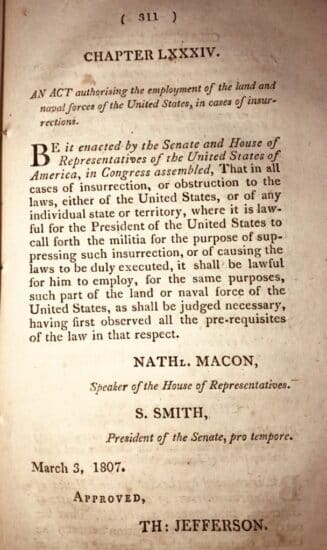
What is the Insurrection Act?
The Insurrection Act of 1807 is a pivotal piece of legislation in American legal history that grants the federal government the authority to deploy military forces within the United States during times of rebellion or insurrection. As discussions around civil unrest and federal response strategies continue to come to the forefront of national conversation, it’s essential for business leaders and HR professionals to understand the ramifications of this act, particularly in relation to civil rights, workplace safety, and community stability.
A Brief History of the Insurrection Act
Initially enacted in 1807, the Insurrection Act allows the President to call on federal troops to suppress insurrections and enforce federal law. This authority is reserved for situations where local law enforcement is unable or unwilling to maintain public order. The act was first invoked during the War of 1812 when President James Madison called on state militias to quell internal dissent.
Key Provisions of the Insurrection Act
The primary provision of the Insurrection Act allows the President to:
- Deploy federal troops to suppress insurrections, domestic violence, or conspiracy.
- Call upon state militias to enforce federal law.
- Act when local authorities are ineffective in maintaining order.
This legislation reflects a balance of power between federal and state authorities, giving the federal government a mechanism to address serious threats to public safety that states cannot manage alone. For further insight into the original text and implications of the act, visit Zinn Education Project.
Recent Applications and Debates Surrounding the Act
In recent years, the Insurrection Act has come back into the public eye, particularly during civil unrest events like the protests associated with the Black Lives Matter movement. Some leaders have suggested its use to manage large-scale protests and riots. However, this has led to significant debate about the appropriateness of deploying military personnel against citizens exercising their First Amendment rights.
The outcry against such measures prompted discussions about the separation of military and civil law enforcement. Critics argue that invoking the Insurrection Act can lead to erosion of civil liberties and rights.
Implications for Businesses
Understanding the implications of the Insurrection Act is crucial for HR professionals and business leaders. Here are a few key considerations:
- Workplace Safety: Businesses must remain aware of their responsibilities to ensure employee safety during protests or unrest. Knowledge of local and federal responses can help in crafting policies that protect workers.
- Community Relations: Companies are part of the communities where they operate. Engaging with local leaders and understanding the dynamics surrounding the Insurrection Act can help businesses navigate potential disruptions more effectively.
- Legal Compliance: Companies must stay informed about legal implications, including any shifts in federal or state policies in response to unrest that could affect business operations.
Strategies for Navigating Uncertainty
Given the potential volatility associated with invoking the Insurrection Act, here are strategies to help businesses prepare for possible scenarios:
- Crisis Management Planning: Develop a comprehensive crisis management plan that outlines steps to protect employees and operations in case of unrest.
- Training: Conduct training programs for staff to ensure they know how to respond appropriately in a crisis situation, including understanding their rights and responsibilities.
- Communication Plans: Establish clear communication channels to keep employees informed about developments that may affect their safety and work environment.
Conclusion
The Insurrection Act is a significant legal framework that shapes federal responses to domestic unrest. For HR professionals and business leaders, understanding the implications of this act is essential in fostering a safe and compliant work environment. As society continues to engage in discussions about civil rights and public safety, maintaining awareness of legal tools such as the Insurrection Act will enhance decision-making processes within organizations. To learn more about the Insurrection Act and its historical context, visit Zinn Education Project.