


What Is the Insurrection Act? Understanding Its Role in American History
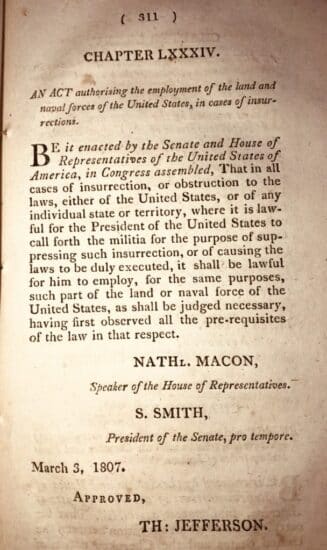
The Insurrection Act is a crucial piece of legislation that has been invoked during critical moments in American history. Originally enacted in 1807, this act empowers the President of the United States to deploy military forces in order to suppress civil disorder, insurrection, or rebellion. In this blog post, we will explore the origins, implications, and historical applications of the Insurrection Act, providing insight into a topic that has recently surged in relevance.
As we witness political unrest and calls for federal intervention in state matters, the question arises: What is the Insurrection Act? This act is more than just a legal framework; it embodies the delicate balance of power between state sovereignty and federal authority.
Historical Background
The roots of the Insurrection Act can be traced back to the early 19th century. The act was inspired by the need for federal intervention during periods of significant social upheaval. President Thomas Jefferson sought a legal mechanism to respond to potential insurrections effectively, leading to the establishment of the Insurrection Act in 1807. You can learn more about its legislative history from Zinn Education Project.
Key Provisions of the Insurrection Act
The Insurrection Act allows the President to mobilize the National Guard or federal troops to restore order in the following scenarios:
- Domestic Disturbances: When state law enforcement is unable to maintain order.
- Insurrection: When there is a rebellion against the authority of the United States.
- Civil unrest: In response to riots or other forms of public disorder that threatens life or property.
It is a powerful tool that places significant authority in the hands of the President, necessitating careful consideration of its implications.
Historical Applications of the Insurrection Act
The Insurrection Act has seen several noteworthy applications throughout American history. Here are a few significant instances where the act was invoked:
- New Orleans (1814-1815): One of the first uses of the Insurrection Act occurred during the War of 1812 when President James Madison dispatched troops to quell a rebellion led by French Creoles in New Orleans.
- The Civil War Era: During the Civil War, the act allowed President Abraham Lincoln to use federal troops to preserve the Union and suppress rebellion.
- Little Rock Nine (1957): President Eisenhower invoked the Insurrection Act to enforce school desegregation in Little Rock, Arkansas, sending troops to ensure that African American students could safely attend Central High School.
- Los Angeles Riots (1992): After the acquittal of police officers involved in the beating of Rodney King, President George H.W. Bush deployed federal troops to restore order amidst widespread riots.
Current Relevance of the Insurrection Act
In recent years, the Insurrection Act has resurfaced in public discourse. The combination of heightened tensions surrounding civil rights protests and the COVID-19 pandemic has led to discussions about the potential of using federal military forces in states. During 2020, there were calls for invoking the Insurrection Act amidst the protests following George Floyd’s death. These discussions reignited debates on the limits of federal power versus state rights.
Implications of the Insurrection Act
The implications of the Insurrection Act extend beyond immediate law enforcement. By enabling military deployment in times of crisis, it raises important questions about civil liberties, the role of the military in civilian life, and the potential for abuse of power. Legal scholars and activists often debate the line between maintaining order and infringing on individual rights.
The Balance of Powers
The Insurrection Act symbolizes the ongoing struggle for balance between federal and state powers. It illustrates how legislation can shape the landscape of governance, especially during tumultuous times. While the act is intended to protect citizens and uphold law and order, it also necessitates accountability and transparency to prevent overreach by federal authorities.
Conclusion
Understanding what the Insurrection Act entails is critical for both legal professionals and engaged citizens alike. As history has shown, its implications can affect the very fabric of American society. It is a reminder of the need for vigilance in safeguarding our democratic principles, especially when navigating crises. The Insurrection Act continues to be a relevant issue in contemporary discussions around governance, civil rights, and the ongoing quest for justice in the United States.