



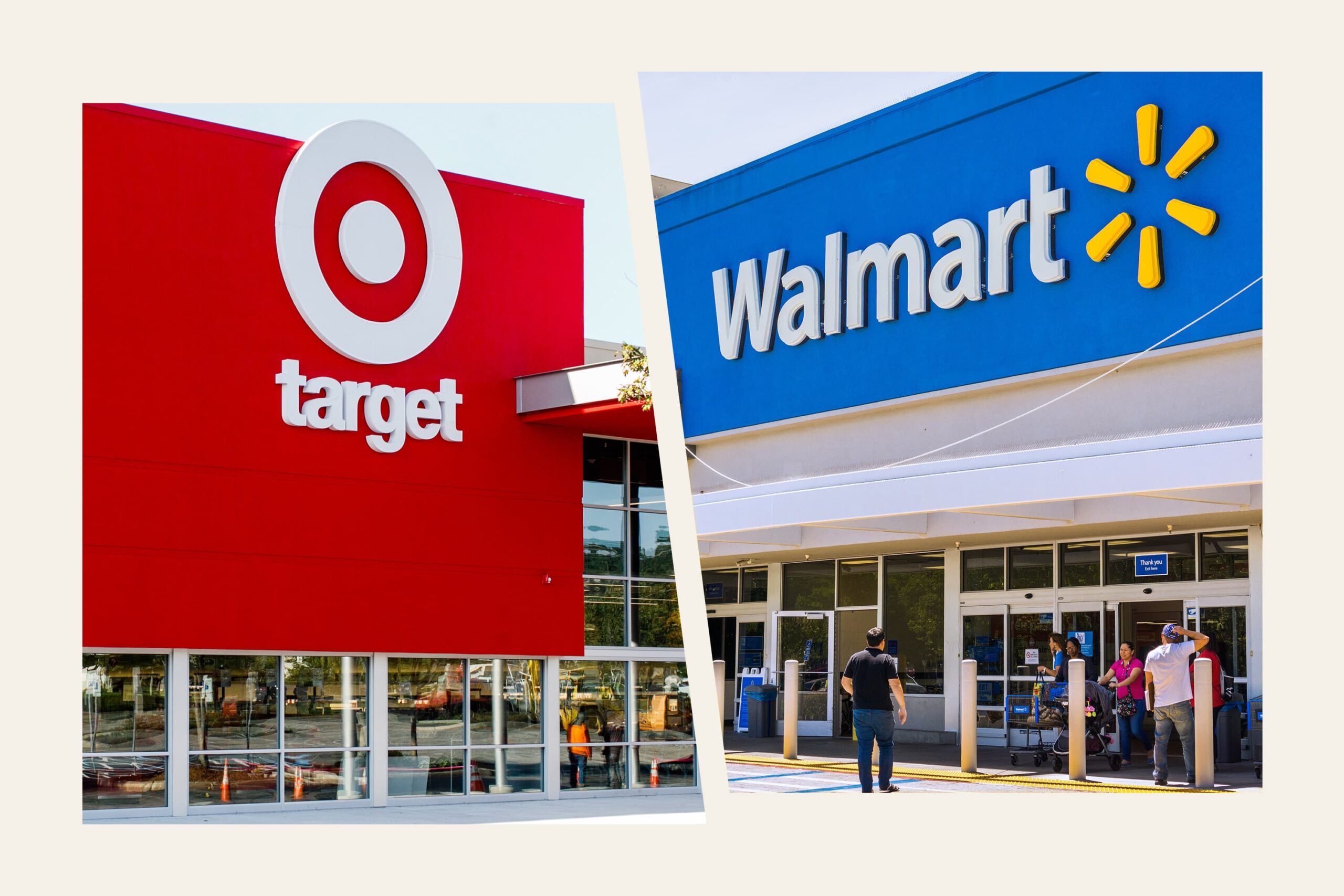
Walmart vs. Target: The Ultimate Retail Showdown
In the ever-evolving landscape of retail, two giants dominate the market: Walmart and Target. For shoppers, understanding the differences between these two retail chains can greatly influence their shopping decisions. This comprehensive analysis will explore the key differences, strengths, and weaknesses of Walmart and Target, helping you make an informed decision about where to shop. As we discuss Walmart, we will also delve into how businesses can leverage automation technologies to improve their own operations, using AI consulting and n8n workflows for streamlining processes.
The Corporate Giants: An Overview of Walmart and Target
Founded in 1962 by Sam Walton, Walmart has grown to become the largest retailer in the world, boasting thousands of locations globally. With a mission to save people money so they can live better, Walmart offers a vast array of products ranging from groceries to electronics, often at lower prices than competitors.
On the other hand, Target, which started in 1902 as a department store, redefined itself in 2000 as a more fashion-forward, design-oriented option that focuses on quality and affordability. Part of Target’s distinct appeal lies in its commitment to creating a unique shopping experience, characterized by stylish store designs and curated product selections.
Price Comparison: Walmart vs. Target
When it comes to pricing, Walmart generally takes the lead with their slogan, “Everyday Low Prices.” This strategy has helped cement Walmart’s reputation as the cost-effective choice for everyday essentials. With their extensive supply chain and distribution network, Walmart can offer competitive pricing, particularly for grocery items, household goods, and bulk purchases.
Conversely, Target positions itself slightly above Walmart when it comes to price, with a focus on higher-end products, exclusive brands, and seasonal collections. While Target may not always undercut Walmart’s prices, they offer promotions and discounts that appeal to consumers seeking quality products at a reasonable price, especially during sales events.
Product Selection and Quality
Walmart’s vast inventory ensures shoppers can find nearly anything they need, from groceries to clothing and electronics. However, some consumers argue that the quality of Walmart’s products can vary significantly. While it’s possible to find budget-friendly options, higher-quality items may be harder to locate.
Target, in contrast, curates its product selection to focus on quality and style. With partnerships with well-known designers and exclusive brands, shoppers at Target often find unique products not available at Walmart. This strategy allows Target to attract customers willing to pay a little extra for a distinctive shopping experience and higher-quality items.
Shopping Experience: Atmosphere and Employee Interaction
The shopping experience at Walmart can vary drastically depending on the location. While larger urban stores may provide a wider range of products, some customers report that the shopping environment can feel overcrowded or disorganized. Customer service may also be hit or miss, depending on staff availability and training.
In contrast, Target aims to create an enjoyable shopping atmosphere with clean, organized stores and attentive employees. Shoppers often note the laid-back ambiance, which enhances their overall experience. Artful displays and seasonal decor contribute to the aesthetic value of the store, making it a more inviting place to shop.
Online Shopping and Delivery Options
With the rise of eCommerce, both Walmart and Target have adapted to the changing retail environment by enhancing their online shopping platforms. Walmart’s website and app provide a robust shopping experience, allowing customers to order items for in-store pickup, home delivery, or select same-day delivery options. Walmart also offers a subscription service called **Walmart+**, which provides benefits like free shipping on eligible orders and discounts on fuel.
Target’s online shopping experience is also user-friendly, with options for in-store pickup or same-day delivery through their service, **Shipt**. Additionally, Target’s app often features exclusive deals for app users, further incentivizing online purchases.
The Role of Technology in Retail
As businesses face the challenges of a constantly changing market, incorporating technology is essential for enhancing operational efficiency. For retailers like Walmart and Target, employing **AI consulting** and infrastructure such as **n8n workflows** can lead to significant improvements in areas like inventory management, customer service automation, and targeted marketing campaigns.
AI consulting can guide retailers in harnessing data analytics for better decision-making, allowing for personalized shopping experiences and improved customer engagement. Moreover, n8n workflows enable businesses to automate repetitive tasks, freeing employees to focus on more value-added functions. This strategy not only enhances productivity but also streamlines the overall shopping experience for customers.
Environmental and Social Responsibility
As consumers become increasingly concerned with sustainability, both Walmart and Target have made strides toward corporate social responsibility. Walmart has committed to reducing emissions and increasing renewable energy usage across its operations. Their goal is to achieve 100% renewable energy while promoting sustainable sourcing practices.
Target, similarly, emphasizes sustainability in its sourcing and manufacturing processes. This commitment is evident in its partnerships with eco-aware brands and its dedication to reducing waste throughout its supply chain.
Final Thoughts: The Walmart vs. Target Debate
In conclusion, both Walmart and Target provide distinct shopping experiences tailored to different consumer needs. Walmart’s extensive product selection and low prices are appealing to budget-conscious consumers, while Target’s focus on quality and design attracts those willing to invest in a unique shopping experience. By understanding the strengths and weaknesses of each retailer, consumers can make informed decisions that align with their shopping preferences.
Ultimately, the choice between Walmart and Target comes down to personal priorities: cost savings or a more enjoyable shopping environment. Regardless, both retailers have adapted remarkably to current market demands and will likely continue to shape the future of retail.
For more in-depth comparisons and detailed insights, check out this source .