



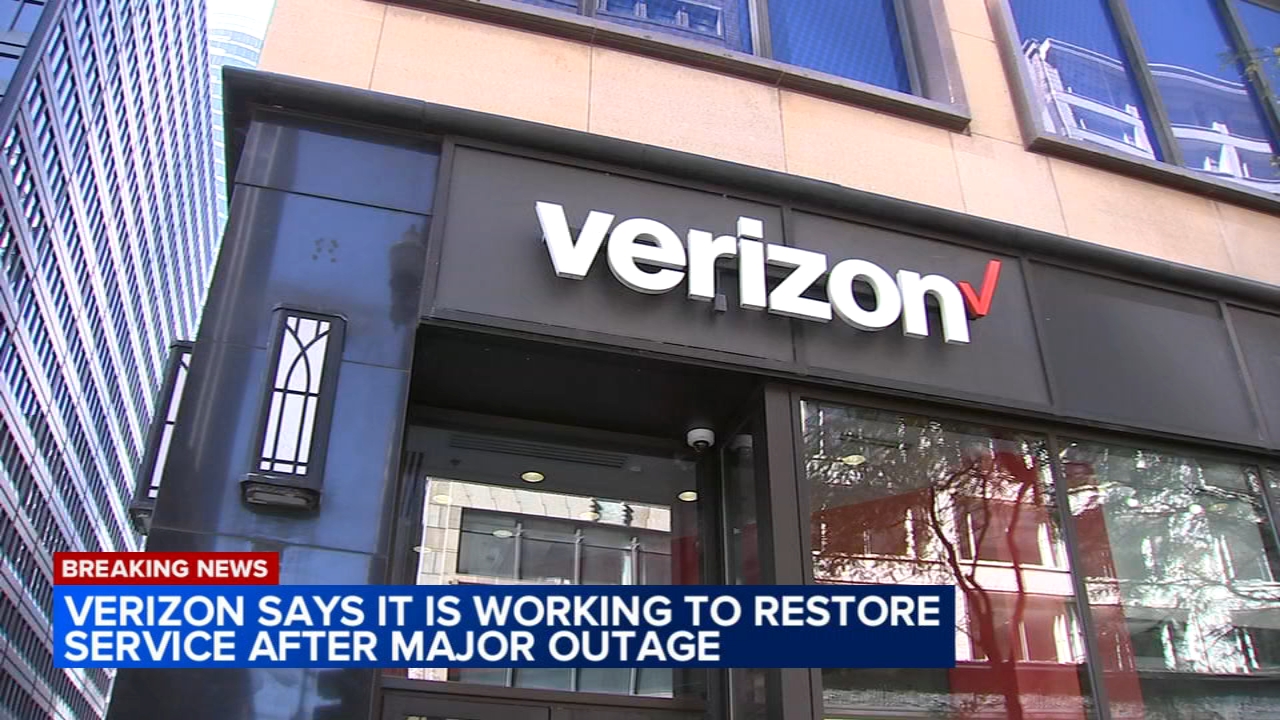
Understanding the Verizon Outage
In recent weeks, many Verizon users have reported significant service disruptions that left them with little more than a “SOS” signal on their devices. This widespread Verizon outage has raised concerns among customers about the reliability of their mobile connectivity and the overall infrastructure of telecom services in the modern landscape. In this article, we will delve deeper into the causes of the outage, its impact on users, and provide insights into how companies like Verizon can strengthen their infrastructure to avoid future service interruptions.
The Scale of the Outage
Reports of connectivity issues began surfacing on social media and technology forums, with users expressing frustration over their inability to make calls or use data effectively. According to a report sourced from abc30.com, many users found their phones stuck in SOS mode, meaning they could not connect to the Verizon network at all.
Causes of the Service Disruption
The specific reasons for the Verizon outage have not been definitively stated by the company. However, similar past incidents have often been attributed to factors such as system upgrades, hardware failures, or unforeseen non-technical challenges, like extreme weather events. As mobile networks continue to evolve, the dependency on complex technologies makes them susceptible to disruptions, even for a major carrier like Verizon.
The Impact on Users
The disruption experienced during the outage has a cascading effect. For many users, access to data and voice services is critical for both personal and professional life. Businesses, particularly in sectors reliant on mobile connectivity for communication and operational processes, were significantly affected by the inability to reach their clients or conduct transactions smoothly. The outage not only disrupted day-to-day operations but also led to a sense of distrust in the reliability of mobile networks.
Strategic Solutions for Future Outages
To manage and mitigate such outages in the future, companies like Verizon can take several strategic actions:
- Robust Infrastructure Investment: Investing in their network infrastructure to enhance capabilities to manage higher loads while maintaining seamless connectivity is essential.
- Enhanced Monitoring Systems: Implementing advanced monitoring systems that can provide real-time data analysis to predict and mitigate issues before they escalate into widespread outages.
- Crisis Communication Plans: Better transparency and timely updates during outages to keep customers informed is crucial. Clear communication can help manage expectations and reduce customer frustration.
- Consumer Feedback Loop: Creating channels for customers to report issues immediately can enable quicker responses to outages and heightened awareness of areas needing attention.
Conclusion
Experiencing a Verizon outage can be frustrating for customers who depend on their phones for communication and business operations. While the reasons behind this recent outage remain under investigation, it serves as a reminder of the critical role telecom companies play in daily life. Through strategic investments and enhanced communication, companies can work towards minimizing the impact of potential future outages, ultimately fostering greater customer trust and loyalty.