


Understanding the Sonya Massey Case: The Sean Grayson Trial
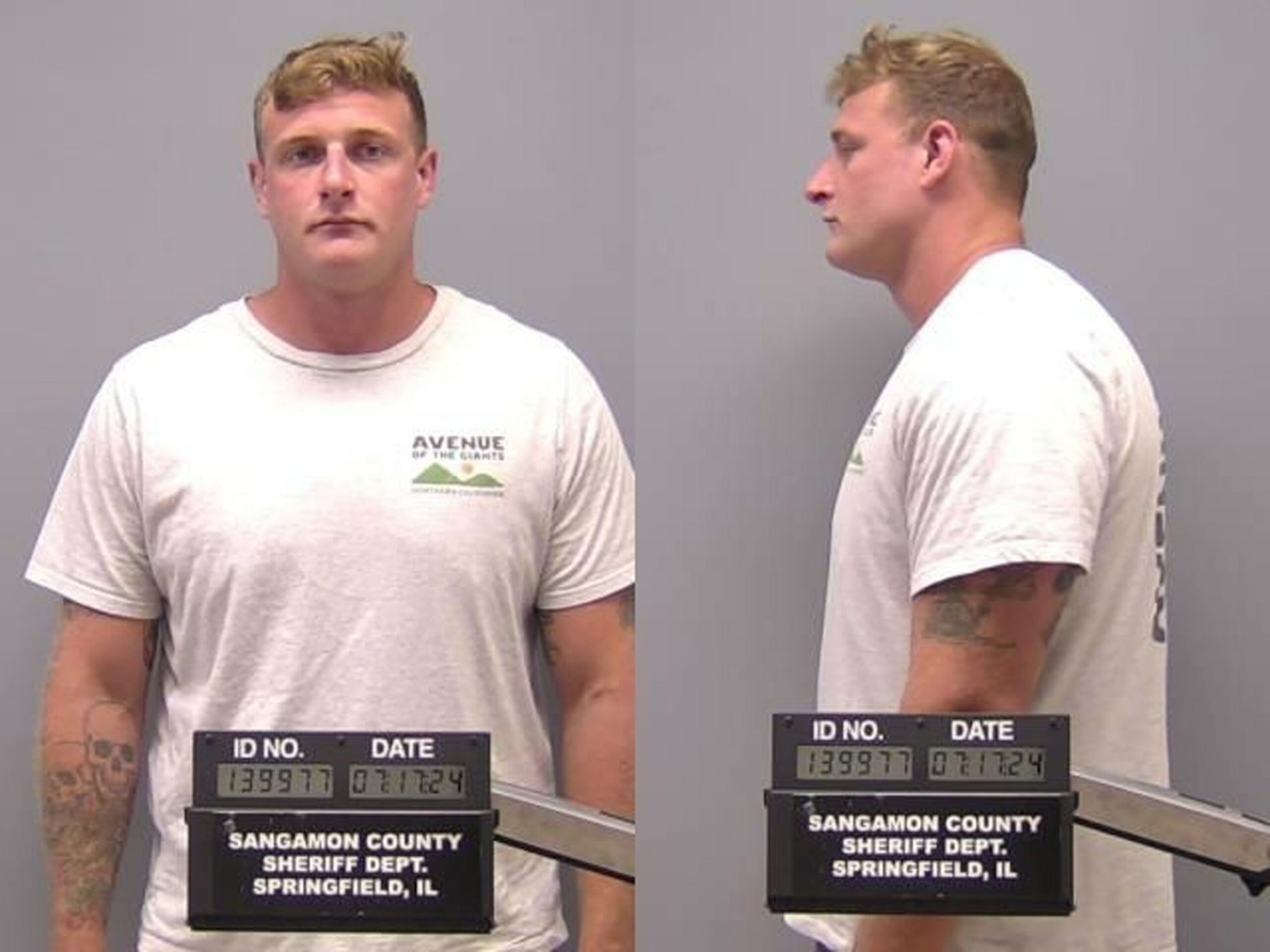
The murder trial of former sheriff’s deputy Sean Grayson has captivated the public due to its tragic backdrop and the implications it holds for law enforcement practices. In this comprehensive blog post, we will delve into the details surrounding the case of Sonya Massey and the subsequent trial that led to Grayson’s conviction. This incident has not only exposed serious flaws within police procedures but has also spurred conversations around accountability and reforms in law enforcement.
On July 6, 2024, Sonya Massey, a 36-year-old unarmed Black mother of two, was fatally shot in her home in Springfield, Illinois, after reporting a prowler to the police. Sean Grayson, the deputy who responded to her 911 call, ended up shooting her in an incident that many argue highlights systemic issues in police interactions, especially with marginalized communities. This tragic outcome has raised crucial questions about police conduct and community safety.
A Timeline of Events
The timeline of events leading to the trial reveals considerable concerns regarding the response by law enforcement:
- July 6, 2024: Sonya Massey calls 911 to report a prowler. When deputies arrive, Grayson shoots her while she is holding a pot of hot water, allegedly telling police officers, “Please, don’t hurt me.”
- October 29, 2025: Sean Grayson is found guilty of second-degree murder in the shooting death of Sonya Massey after a jury trial.
- After the Trial: Grayson faces sentencing and potential appeals as the case garners national attention.
The Trial of Sean Grayson
During the trial, which unfolded over several intense weeks, the prosecution presented a case portraying Grayson as reckless and disproportionate in his actions. Body camera footage showed the immediate moments following the shooting, where Grayson, still firing from a distance, failed to adhere to protocols that would have warranted a non-lethal response.
The defense argued that Grayson acted in perceived self-defense, but the evidence presented by the prosecution laid bare a narrative that portrayed a pattern of excessive force. Critically, testimonies from mental health professionals highlighted the potential alternative strategies police could employ to de-escalate volatile situations without resulting in such tragic outcomes.
The Broader Implications of the Case
The outcome of the Sean Grayson trial is symbolic of a broader crisis in law enforcement strategies and tactics across the United States.
The tragic killing of Sonya Massey has led to community outrage and calls for police reform. Activists have rallied around the incident, emphasizing the need for improved training that prioritizes de-escalation and mental health awareness.
Furthermore, legislative efforts inspired by the case have emerged, including the Sonya Massey Bill, which is aimed at ensuring stricter background checks and psychological evaluations before police hiring. The bill aims to prevent potential hazards in police recruitment and address systemic bias and discrimination in law enforcement practices.
Conclusion: Lessons from Tragedy
The murder of Sonya Massey and the subsequent trial of Sean Grayson serve as a painful reminder of the realities that many marginalized communities face when dealing with law enforcement. The case has sparked necessary conversations that challenge the status quo and advocate for holistic reform in policing.
For further detailed reading and updates on the trial, you can visit sources such as ABC News, and more insights can be found in articles by NBC News.
This event has not only marked a pivotal change in the lives affected by the incident but has also stirred public discourse on the essentialities of police accountability and community relations in America today.