



Exploring the Weather Patterns in Union City, Michigan
Union City, Michigan, a small yet vibrant community known for its quaint charm, recently made headlines due to the severe weather events that have impacted the area. In early March 2026, a tornado struck Union City, causing significant damage and prompting emergency responses. This article delves into the weather conditions in Union City, its climate, and the recent events that shaped its landscape.
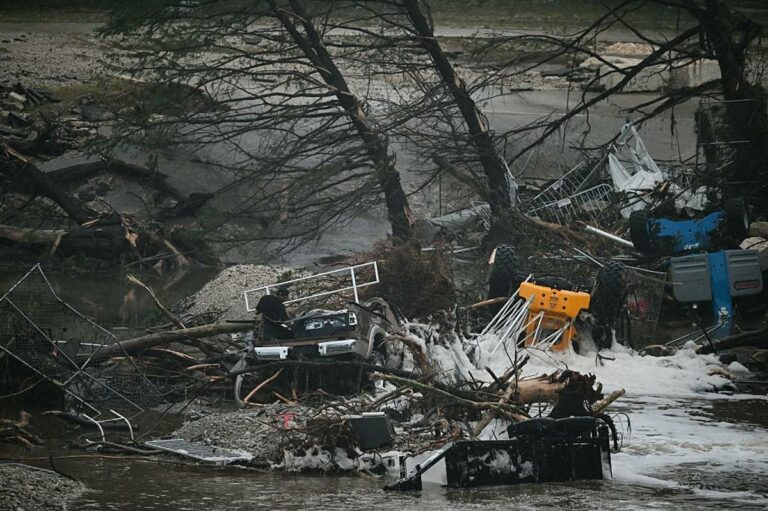
On March 6, 2026, a powerful tornado swept through Union City, resulting in widespread destruction. Reports indicate that numerous homes sustained damage, and several community members were injured, highlighting the brutal impact of nature on this peaceful rural town. News outlets, including WOODTV, covered the aftermath, emphasizing the urgency of recovery efforts.
Weather in Union City is characterized by its distinct seasons, typical of Midwest climates. Winters can be harsh with heavy snow, while summers offer warm and humid conditions. The average temperature in March typically ranges between 30°F to 45°F, gradually warming as spring approaches. The region often experiences a mix of rain and snow during early spring, making it a transitional month for the area’s flora and fauna.
Impacts and Preparations for Severe Weather
Residents of Union City, like many others in the Midwest, are familiar with the necessity of being prepared for severe weather. Many local organizations work tirelessly to ensure that the community is equipped with the information and resources needed to respond effectively to weather emergencies. This includes the establishment of preparedness plans and community drills.
The recent tornado events have underscored the importance of weather alerts and emergency management systems. Following the tornado, emergency response teams were deployed to assess the damage, provide aid, and ensure the safety of community members. Understanding the dynamics of weather in Union City is crucial for minimizing risks associated with severe storms.
Community Resilience and Recovery Efforts
Despite the destruction caused by natural disasters, the resilience of the Union City community is notable. Recovery efforts initiated post-tornado aim to restore the damaged infrastructure, assist those affected, and ultimately rebuild the community stronger than before. Assistance from local government and private organizations plays a critical role in these recovery initiatives.
Engagement with the community has revealed a strong willingness to help one another in the face of adversity. Fundraisers and volunteer efforts have sprung up to collect resources and aid for those who lost their homes or belongings. The spirit of community in Union City shines through as residents come together to support their neighbors.
Long-term Perspective: Adapting to Climate Change
The weather patterns in Union City also raise questions about the long-term impacts of climate change. Severe weather events like tornadoes are becoming more frequent in various parts of the United States, prompting discussions about how communities can adapt and prepare for future challenges. Implementing sustainable practices, enhancing community resilience, and investing in infrastructure improvements are critical for the future.
Moreover, local government agencies and environmental organizations are working collaboratively to research and address the implications of changing weather patterns. By gathering data and increasing awareness, they hope to foster a safer environment for all Union City residents.
Conclusion
In reflecting on the weather dynamics of Union City, Michigan, it becomes clear how vital it is for communities to remain vigilant and well-prepared for natural disasters. The recent tornado serves as a stark reminder of the power of nature and the importance of communal support in overcoming such challenges. For residents and leaders alike, understanding the weather is not just about immediate preparedness; it’s about paving the way for a more resilient future.