


Understanding Winter Storm Watches: Preparing for Severe Winter Weather
As we move deeper into winter, the chances of severe winter weather increase significantly, making it crucial for HR professionals and business leaders to stay informed. One term that frequently surfaces during this season is winter storm watch. This blog post delves into the details of winter storm watches and winter weather advisories, helping you grasp their implications and how to prepare accordingly.
What is a Winter Storm Watch?
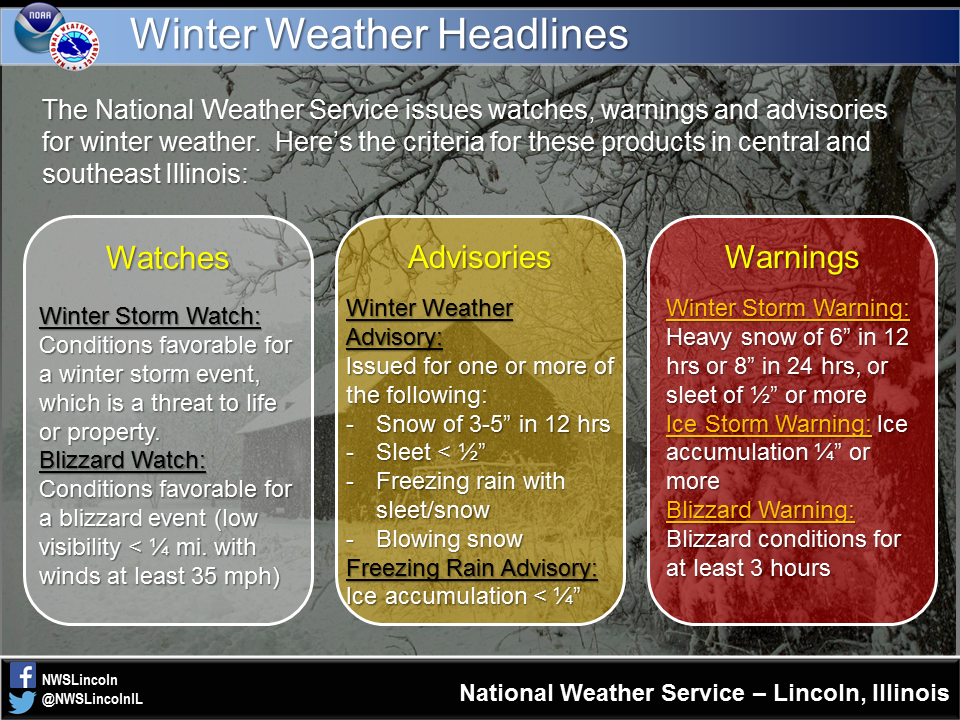
A winter storm watch is an alert from the National Weather Service (NWS) indicating that severe winter weather is possible in the forecast area. It serves as a warning for individuals and businesses to prepare for potentially hazardous conditions, including heavy snow, ice, or a combination of both. The NWS typically issues these watches 12 to 48 hours before the expected onset of the storm.
During a winter storm watch, conditions may not be severe enough to warrant a warning, but the potential for dangerous weather exists. The primary goal of the watch is to encourage preparedness among the public. To learn more about winter storm watches and related advisories, you can visit the National Weather Service website.
Understanding the Winter Weather Advisory
In conjunction with winter storm watches, a winter weather advisory can also be issued by the NWS. This advisory alerts the public of expected weather conditions that could cause travel difficulties or hinder outdoor activities. These conditions may include light snow, sleet, freezing rain, or other types of winter weather that are not severe enough to trigger a winter storm warning but still warrant attention.
The Impact of Severe Winter Weather
For businesses, especially those that rely on supply chains and face-to-face interactions, severe winter weather can be particularly disruptive. A winter storm can impact the ability for employees to commute safely, disrupt shipping and transportation logistics, and ultimately affect productivity. It is vital for HR teams and business leaders to devise a proactive response plan to ensure the safety of their employees while minimizing disruptions to business operations.
Preparation is Key
To mitigate the impact of winter storms on your organization, it is essential to take a strategic approach to preparation. Here are some tips for HR professionals and business leaders:
- Stay Informed: Monitor local weather forecasts regularly, especially when severe winter weather is anticipated. Subscribe to alerts from the NWS to remain up-to-date on watches and advisories.
- Create an Emergency Response Plan: Develop and communicate a clear emergency response plan to all employees. This plan should outline procedures for severe weather, including how decisions regarding office closures will be made and communicated.
- Flexible Work Policies: Consider implementing flexible work policies that allow employees to work remotely if travel conditions are hazardous. This could include allowing remote work for the entirety of the winter season if needed.
- Distribute Safety Resources: Provide employees with resources on winter safety, such as where to find reliable information and how to prepare their homes and cars for inclement weather.
- Practice Communication: Ensure that your communication channels are reliable and tested. An efficient communication strategy can serve as a lifeline during times of crisis.
Leveraging Technology for Better Preparedness
Advancements in technology allow businesses to enhance their preparedness in the face of winter storms. Here are a few strategies that HR and business leaders can consider:
- Weather Monitoring Software: Invest in weather monitoring tools that provide real-time alerts and updates on incoming weather systems. This enables businesses to take prompt action based on the evolving situation.
- Plan Automation Tools: Utilizing AI consulting services can help automate response protocols so that your organization can react quickly to changing conditions. Tools like n8n can streamline business processes, ensuring that communication and decision-making happen efficiently.
- Employee Check-In Systems: Implement systems where employees can report their status and safety during winter storms. This can help HR assess the impact of the storm on personnel and address any immediate concerns.
Wrap Up
In summary, understanding winter storm watches and weather advisories is key for HR professionals and business leaders as we navigate the complexities of severe winter weather. The importance of preparation cannot be overstated; taking the initiative to ensure the safety of your employees while maintaining business continuity is essential. By leveraging technology and implementing flexible policies, organizations can effectively manage the impacts of winter storms.
For more detailed information about winter storm watches and winter weather advisories, visit the National Weather Service. Stay safe this winter season!