


Understanding Winter Storm Watches: What You Need to Know
As winter approaches, many are aware of the potential for severe weather that can disrupt daily life, particularly in regions prone to cold temperatures and heavy snow. One essential aspect of winter weather preparedness is understanding a “winter storm watch.” This alert is critical for individuals and businesses alike, as it signals increased risk of hazardous conditions and allows for proactive measures to ensure safety.
A winter storm watch is issued by weather authorities when there is a potential for significant snowfall, sleet, or freezing rain in a specified area. The National Weather Service (NWS) defines this alert to give the public time to prepare for potential impacts such as power outages, hazardous travel conditions, and property damage. The situation can evolve quickly, making it crucial for everyone to stay informed through reliable sources, such as The Weather Channel.
What Leads to the Issuance of a Winter Storm Watch?
Weather patterns involving cold air masses and moisture from warmer areas typically lead to winter storms. Meteorologists analyze various atmospheric conditions, including temperature, humidity, and upper-level disturbances, to predict the likelihood of a winter storm developing. When conditions appear favorable for a significant winter weather event, a winter storm watch is issued.
It is important to note that while a watch indicates potential, it does not guarantee that severe weather will occur. For instance, a region may experience a watch but ultimately see minimal impacts. Therefore, remaining vigilant and continually monitoring updates from organizations like the National Weather Service is essential.
Difference Between Watches, Warnings, and Advisories
To further clarify winter weather alerts, it’s important to differentiate between watches, warnings, and advisories. Here’s a brief overview:
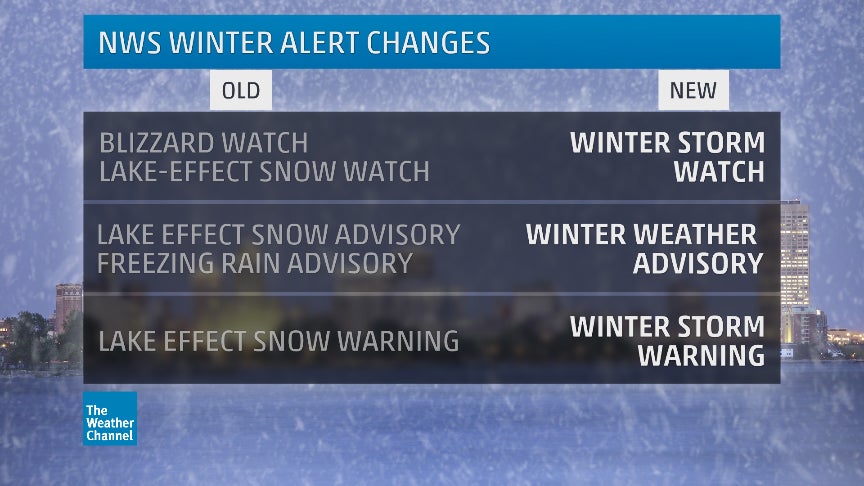
- Winter Storm Watch: Significant winter weather conditions may occur, providing forewarnings of potential impacts.
- Winter Storm Warning: Issued when hazardous winter weather is imminent or already occurring. This requires immediate attention and preparation.
- Winter Weather Advisory: Conditions are not as severe but may still cause inconvenience or hazardous conditions. Advisories suggest caution but do not require as extensive preparation as warnings.
Preparing for a Winter Storm Watch
For businesses and individuals, preparation before a storm hits is critical. Here are some steps to consider:
- Be Informed: Regularly check reliable weather sources like the Weather Channel for updates and changes to alerts.
- Have a Plan: Establish a winter emergency plan that includes evacuation routes and communication strategies with employees and family members.
- Emergency Supplies: Stock up on essentials, including food, water, medications, and other supplies that may be needed if travel becomes difficult.
- Secure Your Property: Prepare your home or business by clearing gutters, insulating pipes, and securing outdoor items that might become hazardous in high winds or heavy snow.
- Travel Wisely: If travel is necessary during a storm, ensure your vehicle is equipped for winter conditions, and maintain communication with someone about your travel plans.
The Role of Technology in Weather Tracking
Thanks to advancements in meteorological technology, the prediction and tracking of winter storms have become increasingly accurate. Businesses, especially in sectors vulnerable to weather conditions like transportation and retail, can leverage technology to receive real-time alerts and updates. AI-driven tools can help businesses to forecast potential disruptions, allowing them to make data-driven decisions to mitigate risks.
Implementing automated solutions, such as n8n workflows, can streamline the dissemination of information across departments, ensuring that all employees are updated with the latest weather forecasts and instructions. By integrating this automated workflow system, businesses can enhance their preparedness and response strategies concerning severe winter storms.
Conclusion
Understanding the significance of a winter storm watch is fundamental for both personal safety and business operational continuity. By staying informed through reliable sources like the Weather Channel and employing effective planning strategies, individuals and organizations can navigate the challenges posed by winter storms. Prepare today to ensure safety and reduce the potential impacts of winter weather on your operations.