


Understanding Winter Storm Watch and Winter Weather Advisory: A Comprehensive Guide for HR Professionals and Business Leaders
As winter approaches, businesses and HR professionals must prepare for the impact of severe weather. The terms ‘Winter Storm Watch’ and ‘Winter Weather Advisory’ often surface during these times, yet they may not be fully understood. This post aims to elucidate these terms, the implications of winter storms, and how businesses can best prepare and respond to maintain operations, support employees, and navigate potential disruptions.
What is a Winter Storm Watch?
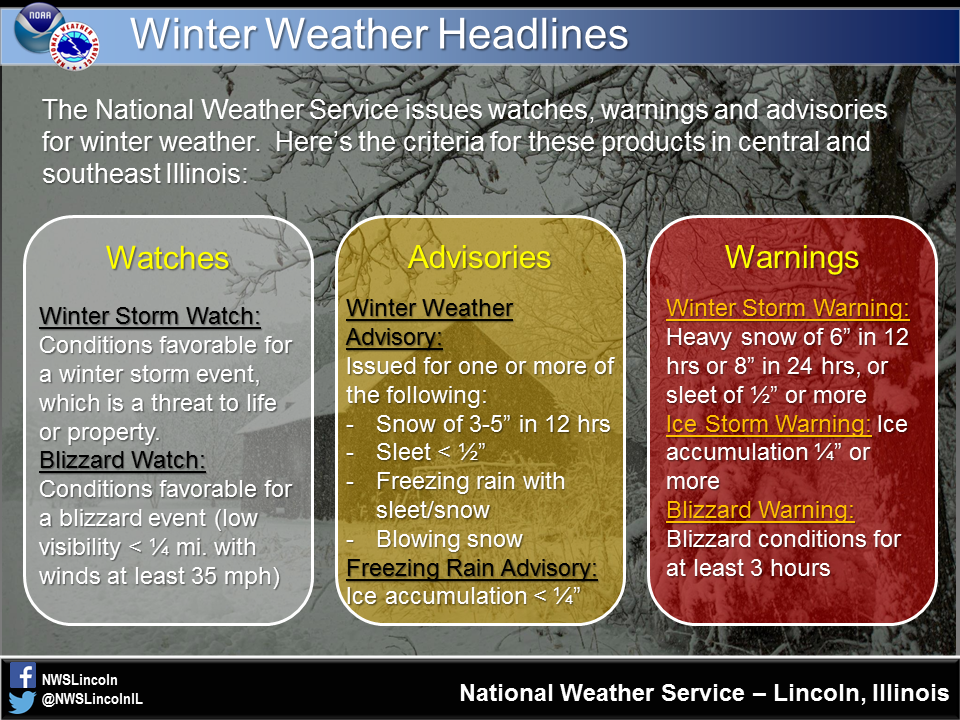
A Winter Storm Watch is a notification issued by weather authorities indicating that a significant winter weather event is expected within the next 24 to 48 hours. Conditions could lead to hazardous winter storms, which may include heavy snow, freezing rain, sleet, or a combination of these elements.
According to the National Weather Service, a Winter Storm Watch does not mean that hazardous winter weather is occurring, but it does provide early warning for preparation. It’s a call to action for both individuals and organizations to consider their readiness and response strategies.
Understanding a Winter Weather Advisory
On the other hand, a Winter Weather Advisory is issued when winter weather conditions are expected to cause inconvenience and may lead to hazardous situations. These scenarios require caution, but they are not as severe as those outlined in a Winter Storm Watch. Examples include light snow, sleet, or freezing rain that may produce slippery road conditions.
Both advisories are critical for effective winter weather preparedness. Understanding their specific meanings helps organizations devise appropriate response plans that consider employee safety, operational continuity, and communication strategies.
The Impact of Winter Storms on Businesses
Winter storms can lead to significant disruptions in business operations. From frozen pipes to power outages and unsafe travel conditions for employees, winter weather poses multifaceted challenges. Here are some impacts businesses may face:
- Employee Safety: Prioritizing employee safety is paramount. With hazardous conditions, employees may face dangers commuting to and from work. Organizations must anticipate these risks and develop policies that enable remote work when necessary.
- Operational Disruptions: Severe winter weather can shut down operations entirely. Contingency plans should be in place to minimize losses and ensure continuity.
- Supply Chain Issues: Transportation delays and disruptions can cause a ripple effect, delaying the delivery of goods and services. Companies should maintain close communication with suppliers to navigate these challenges effectively.
Preparing for Winter Weather Advisories and Storm Watches
As an HR professional or business leader, preparation is key. Here are actionable steps you can take:
1. Develop a Winter Weather Policy
Establishing clear policies regarding winter weather is essential. Your policy should detail how the organization will respond to different types of winter weather advisories. This includes decisions about closing the office, remote work policies, and communication strategies with employees.
2. Implement an Effective Communication Strategy
Ensure you have robust communication channels in place. Employees should be regularly updated about weather conditions and organizational decisions. Utilize emails, text alerts, and digital bulletin boards to convey timely information.
3. Encourage Remote Work Solutions
When a Winter Storm Watch is issued, consider implementing remote work solutions. Providing employees with the tools and resources necessary to work from home can help maintain productivity despite adverse weather conditions. Ensure that remote access to systems is secure and efficient.
4. Plan for Operational Continuity
Evaluate your business continuity plan to address winter storm scenarios. Consider how you will sustain operations if your workforce is significantly impacted. This might include cross-training employees, allowing flexible work hours, or creating work-from-home arrangements.
Case Studies: Successful Responses to Winter Weather
Examining how businesses successfully navigate winter storms can provide valuable insights. For instance:
- Retail Chains: Many retail businesses have integrated snow days into their operational models. They offer flexible shifts to employees who can safely commute and deploy remote customer service strategies to minimize disruptions.
- Technology Firms: Tech companies often develop contingency remote work policies well in advance, ensuring that staff are prepared, thereby reducing fallouts during winter storms.
Conclusion
Understanding the terms ‘Winter Storm Watch’ and ‘Winter Weather Advisory’ enables HR professionals and business leaders to appreciate the gravity of winter storms. By implementing effective policies and communication strategies, organizations can not only protect their employees but also secure their operations against potential disruptions. Remember, preparation is the best defense against winter’s unpredictable fury. Stay informed, stay prepared, and ensure your workplace remains safe and operational no matter what the season throws your way.