



What is the Warrior Dividend?
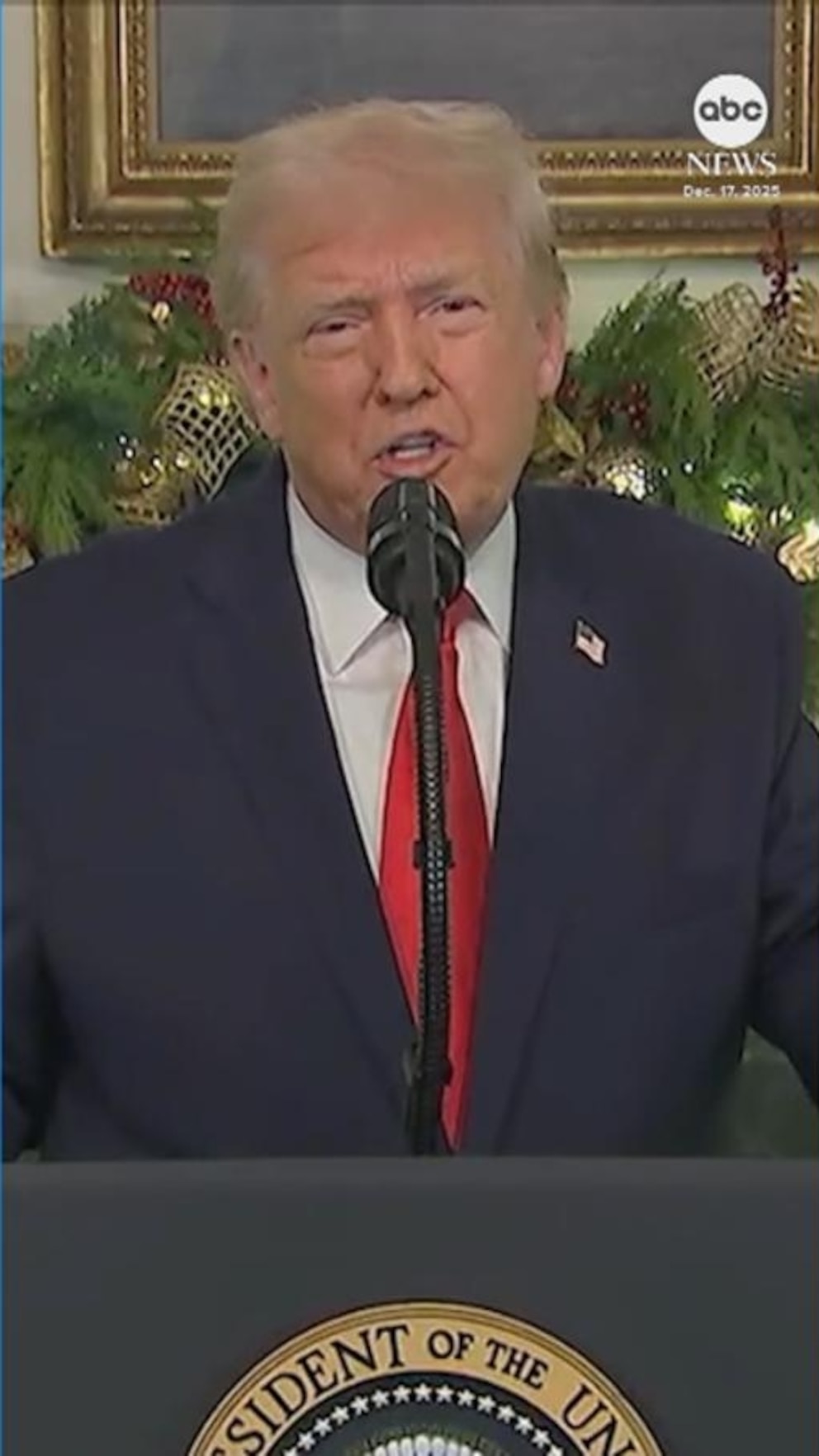
The “Warrior Dividend” is a concept introduced by former President Donald Trump aimed at supporting veterans and their families in the United States. In his address to the nation, Trump highlighted how this initiative would serve as a means to provide financial benefits and support pathways for those who have bravely served the country. As the discussion surges surrounding veterans’ benefits, the warrior dividend is gaining traction and prompting further analysis of its implications and the potential impact on veterans and their families.
The Motivation Behind the Warrior Dividend
During his presidency, Trump consistently focused on veterans’ affairs, often citing the need for better support systems and benefits for those who have served in the military. The Warrior Dividend emerges from the necessity to rectify long-standing issues regarding the care and financial security for veterans. With countless veterans struggling after returning home, this initiative seeks to establish a sustainable and supportive framework that ensures they receive the benefits they rightfully deserve.
Key Components of the Warrior Dividend
The Warrior Dividend is characterized by several essential components designed to enhance the quality of life for veterans:
- Direct Financial Support: The initiative proposes a direct financial payout or a support program for veterans, aiming to alleviate some of the financial pressures they face in civilian life.
- Healthcare Benefits: Trump’s plan includes an expansion of healthcare benefits for veterans, streamlining access to necessary medical services without the bureaucratic hurdles many face today.
- Job Training and Placement: The program emphasizes the importance of job training and placement services tailored specifically for veterans to ensure they can transition smoothly into the workforce.
- Family Support Services: Recognizing that veterans’ families endure significant hardships, the warrior dividend also places a strong focus on providing support services to families.
The Economic Impact of the Warrior Dividend
Economically, the introduction of the Warrior Dividend could be a double-edged sword. On one side, investing in veterans and providing them with financial support may bolster the economy as these individuals have greater purchasing power and can contribute positively to various sectors.
Conversely, skeptics argue that the financial implications of such a program require careful management and planning to avoid unnecessary burden on taxpayers. Understanding the long-term viability of the initiative involves analyzing the fiscal responsibilities and how funds are allocated.
Public Reception and Political Implications
The Warrior Dividend has received mixed reactions from the public and political analysts. While many supporters laud the effort to address veterans’ issues, others question the effectiveness and the feasibility of implementation. Critics have pointed to potential mismanagement or the lack of a comprehensive plan to ensure the funds reach the intended recipients.
Importantly, the initiative’s anticipated impact on upcoming elections cannot be disregarded. Trump’s focus on veterans could galvanize support from military families, influencing voter turnout and preferences.
Conclusion: A Path Forward for the Warrior Dividend
The Warrior Dividend represents a pivotal shift in how the U.S. government supports its veterans. The initiative encapsulates critical issues faced by veterans today, aiming to provide them not only with financial assistance but with a structured support system.
As the national dialogue continues, it is essential for business leaders, policymakers, and community advocates to engage with the concept of the Warrior Dividend. By fostering discussions and exploring collaborative solutions, we can work towards ensuring that those who have served our nation are not left to face their struggles alone.