



Understanding the New Food Pyramid
The food pyramid has long been a staple in dietary guidelines, representing the balance of food groups necessary for a healthy lifestyle. However, recent updates have shifted our understanding of nutrition and meal planning, introducing the new food pyramid, which emphasizes not only the type of foods we eat but also the importance of overall lifestyle choices. This article delves into the new food pyramid, offering insights on its structure, recommendations, and the science behind it.
The Evolution of the Food Pyramid
The original food pyramid, introduced in the 1990s by the USDA, illustrated a broad, generalized way to categorize foods—fruits and vegetables at the base, grains in the middle, and proteins and fats at the top. While a solid framework at its inception, dietary research has advanced significantly, calling for an updated model that reflects current understandings of nutrition.
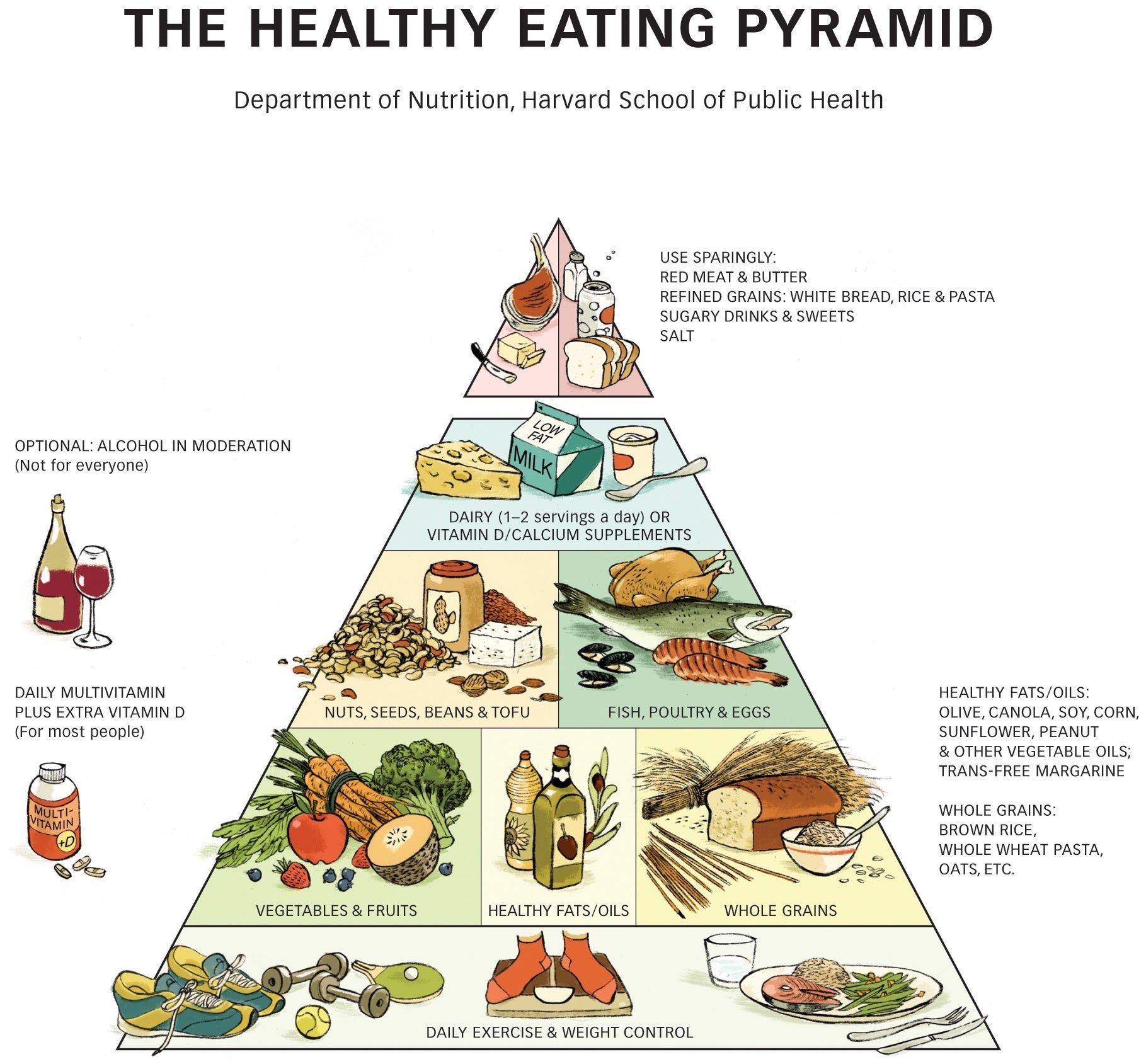
The new food pyramid, as outlined by Harvard’s Nutrition Source, is designed to support healthy eating habits more effectively. The pyramid is not merely a visualization of food portions but a guide to help individuals make better dietary choices while incorporating pleasure and satisfaction into their meals.
Structure of the New Food Pyramid
- Fruits and Vegetables: The foundation of the pyramid emphasizes a wide variety of fruits and vegetables. Rich in vitamins, minerals, and fiber, these should make up a significant portion of the daily diet.
- Whole Grains: Above fruits and vegetables in the pyramid is the category for whole grains. Unlike refined grains, whole grains provide vital nutrients and are associated with a lower risk of chronic diseases.
- Healthy Proteins: The next level focuses on healthy sources of protein, including legumes, nuts, fish, and poultry. Reducing red meat and processed meats is encouraged due to their association with various health issues.
- Fats: Healthy fats, such as those found in avocados, olive oil, and nuts, should be consumed in moderation, emphasizing the quality of fat over quantity.
- Physical Activity and Lifestyle: Crucial to the new pyramid is the integration of physical activity and healthy lifestyle choices. This indicates that diet alone cannot ensure health; regular exercise and mental well-being are key components.
Scientific Evidence Behind the New Food Pyramid
The concepts behind the new food pyramid are rooted in extensive scientific research highlighting the impact of diet on long-term health outcomes. Studies show that a balanced diet rich in fruits, vegetables, whole grains, and lean proteins can significantly reduce the risk of chronic diseases like heart disease, diabetes, and certain cancers.
Furthermore, research reinforces the idea that overall lifestyle choices—such as engaging in regular physical activity, limiting processed foods, and maintaining a healthy weight—are crucial for achieving optimal health. The new food pyramid encourages these habits, making healthful choices accessible and straightforward.
Implementing the New Food Pyramid in Daily Life
Adopting the principles of the new food pyramid doesn’t have to be daunting. Here are some steps to implement these dietary guidelines effectively:
- Plan Your Meals: Start by planning meals around fruits and vegetables. Incorporate a rainbow of colors into your plate, ensuring variety and different nutritional benefits.
- Choose Whole Grains: When selecting grains, reach for whole grains such as brown rice, quinoa, and whole-grain bread or pasta.
- Opt for Lean Proteins: Include sources of lean proteins in your meals, such as chicken, fish, beans, and lentils, while reducing red meat and processed meats.
- Incorporate Healthy Fats: Use healthy fats like olive oil for cooking and snack on nuts or avocados to add flavor and nutrients to your diet.
- Stay Active: Aim for at least 150 minutes of moderate physical activity each week. This could include walking, cycling, swimming, or any activity that you enjoy.
Conclusion
The new food pyramid serves as a valuable tool for understanding balanced nutrition in today’s fast-paced world. By emphasizing whole, nutrient-dense foods while incorporating an active lifestyle, this updated model provides a comprehensive approach to health.
For HR professionals and business leaders, understanding and promoting these dietary guidelines can be instrumental in fostering workplace wellness. Encouraging a culture of healthy eating can enhance employee well-being, boost productivity, and ultimately contribute to a healthier organizational environment.
In conclusion, embrace the new food pyramid not just as a guideline but as a pathway to a healthier, more fulfilling lifestyle. Your body—along with your mind—will thank you for it.