


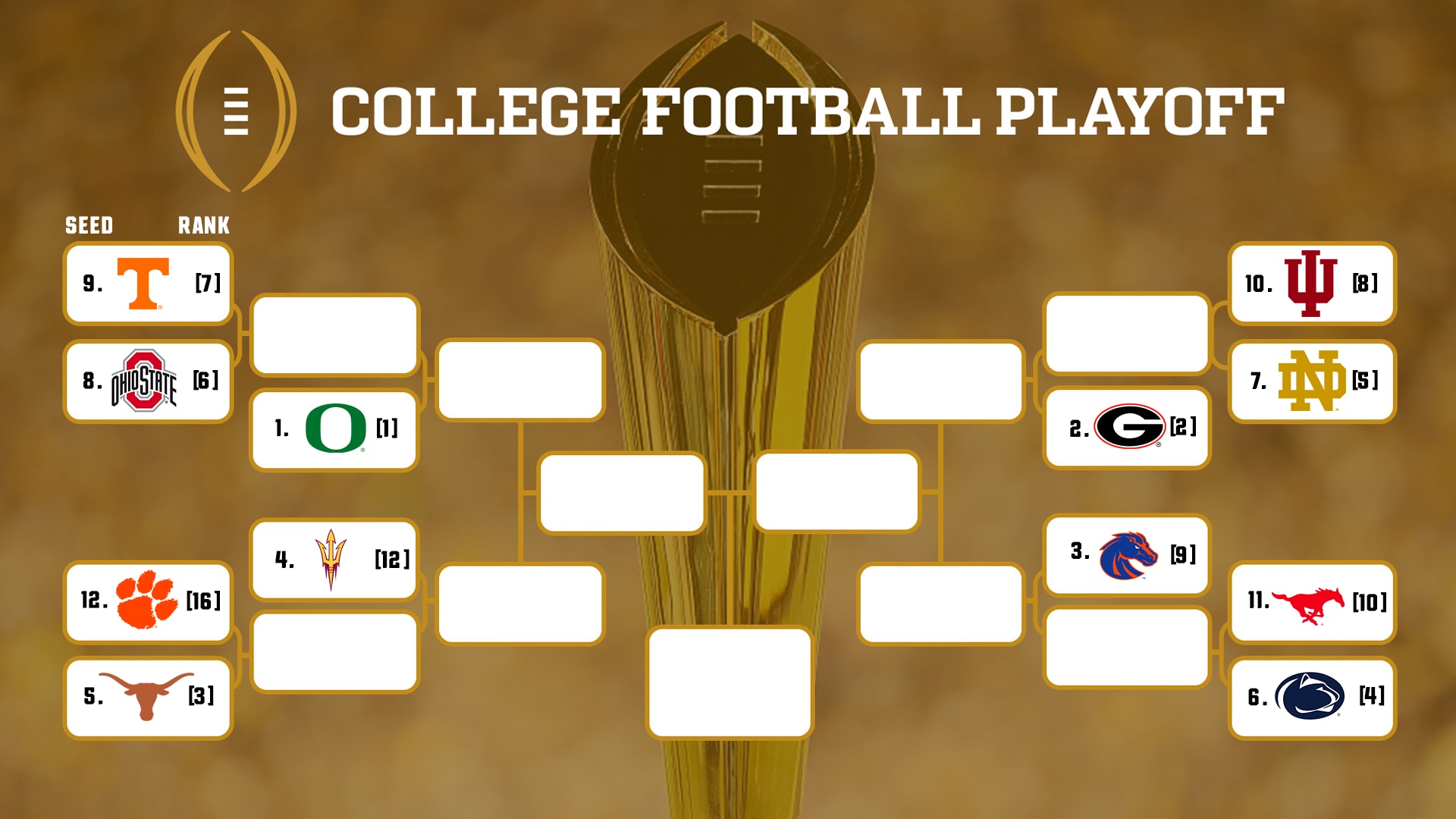
Understanding the College Football Playoffs: A Deep Dive into the CFP Bracket
What is the CFP and How Does It Work?
The College Football Playoff (CFP) is one of the most exciting periods in American sports, bringing together the best teams in college football for a chance at the national championship. Established in 2014, the CFP replaced the previous Bowl Championship Series and aimed to provide a more equitable and transparent selection process. The CFP bracket features four teams chosen by a committee based on their performance throughout the season, which leads to semi-final games and ultimately the championship game.
The Formation of the CFP Bracket
The CFP bracket is determined by a selection committee that evaluates teams based on their win-loss records, strength of schedule, head-to-head results, and other significant metrics. The committee, which comprises 13 members including former coaches, players, and administrators, meets weekly during the season to rank the top 25 teams. This culminates in a selection show where the four teams playing in the playoff are announced.
The Selection Committee’s Criteria
The selection criteria are designed to ensure that the best teams make it to the playoffs. Key criteria include:
- Record: Teams must have a solid win-loss record, preferably with few losses.
- Strength of Schedule: Facing ranked opponents and winning those games significantly boosts a team’s chances.
- Head-to-Head Results: If two teams have similar resumes, their direct matchup can influence their placement in the bracket.
- Conference Championships: Teams that win their conference title may receive additional consideration, especially in a tiebreaker situation.
- Other Factors: The committee may also consider injuries, player suspensions, and overall team performance.
Historical Context: The Evolution of the College Football Playoff
The CFP format emerged from the need to create a national champion through a playoff system rather than relying solely on rankings and bowl games. Prior to 2014, various systems, including the BCS, were met with criticism for perceived biases and inadequacies. The NCAA recognized the necessity for a playoff structure that truly reflects the competitive nature of college football.
The Road to the Championship: How Playoff Games are Structured
Once the committee selects the four participating teams, the structure of the games unfolds as follows:
- Semifinals: The top two ranked teams face off against the bottom two ranked teams in two separate games. The higher seed is typically paired against the lower seed.
- National Championship: Winners of the semifinal games advance to compete for the national title. This game is held at a predetermined neutral site, ensuring fairness.
Why the CFP is Important for College Football
The College Football Playoff has transformed the landscape of NCAA football by:
- Increasing Fan Engagement: With a transparent selection process and high-stakes games, fans are more engaged than ever.
- Boosting Revenue: The playoff structure increases viewership, leading to higher revenues from broadcasts and sponsorships.
- Enhancing Team Performance: Teams now strive harder to secure a playoff spot, raising the overall level of competition in college football.
The Future of the CFP: Potential Changes and Expansions
As the popularity of college football continues to grow, discussions about expanding the playoff format have begun to emerge. Some proposals suggest increasing the number of teams in the bracket from four to eight or even twelve, allowing more schools the opportunity to compete for the title. Such changes would allow for:
- More Inclusion: A broader range of schools, including smaller conferences, could participate.
- Increased Excitement: More playoff games would undoubtedly ramp up excitement during the postseason.
- Examining Metrics: A larger field would necessitate even more sophisticated metrics for evaluating teams, potentially leading to enhancements in performance analysis practices.
Conclusion: Embracing the Future of College Football Playoff
The College Football Playoff continues to be a thrilling aspect of the sports world, allowing fans, teams, and players to experience the pinnacle of college football competition. As we look toward the future, the potential for expansion and continued evolution of the CFP bracket symbolizes an exciting time for college football, signifying both challenges and opportunities that lie ahead. Keeping an eye on the changing structures, records, and rising stars will ensure that fans remain glued to their seats, ready to cheer their teams on through the playoffs and into the championship game.