

Understanding Sleet: The Icy Precipitation Taking Over Weather Forecasts
Winter weather can bring a variety of conditions that challenge our daily lives, particularly in regions prone to fluctuations in temperature. One of the most misunderstood forms of winter precipitation is sleet. In light of the recent winter storms affecting the Carolinas and Texas, understanding sleet’s characteristics and effects is crucial. This article will dissect what sleet is, how it forms, and its impacts on travel and utility services, especially as we navigate through severe storms this January 2026.
What is Sleet?
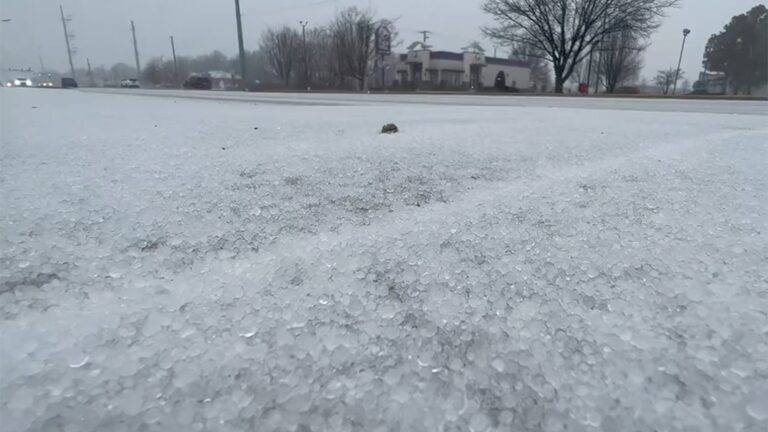
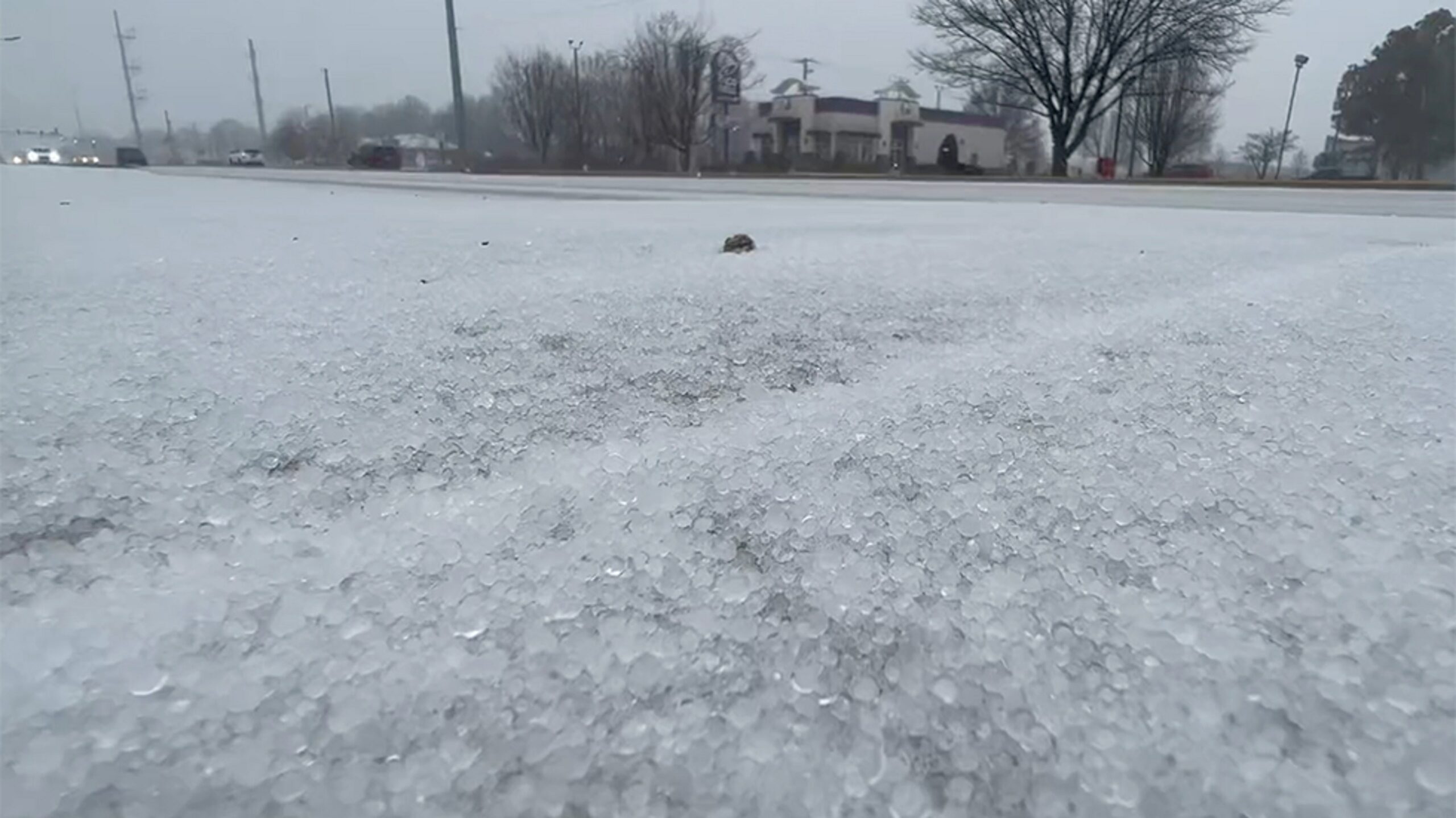
Sleet is defined as small, transparent ice pellets that form when cold temperatures freeze raindrops as they fall to the ground. Unlike snowflakes, which develop intricate patterns, sleet forms in a more straightforward process. Initially, moisture condenses in the atmosphere, creating supercooled water droplets. As these droplets descend through a layer of subfreezing air, they freeze into tiny ice pellets known as sleet.
How Does Sleet Differ from Other Winter Precipitations?
To better understand sleet, it’s crucial to compare it to other winter weather phenomena, such as freezing rain and snow:
- Freezing Rain: Freezing rain occurs when a layer of warm air sits above a colder surface. Rain falls as liquid but freezes upon contact with cold surfaces, creating a glaze of ice.
- Snow: Snow forms from water vapor that crystallizes in the atmosphere, creating unique snowflakes that accumulate on the ground without melting.
With the right temperatures and atmospheric conditions, these forms can occur one after the other during winter storms, leading to dangerous travel conditions.
Recent Weather Events Featuring Sleet
As detailed in reports from various news sources, January 2026 has seen significant cold fronts touching multiple regions across the United States. For example, a recent article from [WBTV](https://www.wbtv.com/2026/01/23/freezing-rain-sleet-possible-carolinas-amid-winter-storm-heres-how-theyre-different/) highlights the potential for sleet and freezing rain across the Carolinas, projected to lead to power outages and treacherous road conditions.
Similarly, in Texas, a [report](https://www.click2houston.com/news/local/2026/01/22/texas-winter-weather-map-where-snow-ice-and-sleet-are-possible-this-weekend/) outlines where residents can expect snow, ice, and sleet from a significant winter weather event. Such forecasts are essential for anyone living in or traveling to affected regions as they prepare for possible disruptions caused by sleet and other forms of winter precipitation.
The Impact of Sleet on Daily Life
Sleet can profoundly impact transportation, utilities, and public safety. From slick roads that increase the risk of car accidents to the potential for downed power lines due to the weight of ice accumulation, sleet poses various challenges. Following recent winter storms, areas like the Carolinas and Texas are on alert for these hazards, with emergency management agencies advising residents to stay indoors unless absolutely necessary.
What Actions Should You Take When Sleet is Forecasted?
When sleet is in the forecast, here are some critical steps you should consider to stay safe:
- Stay Informed: Regularly check updates from trusted weather sources such as [weather.com](https://weather.com/news/weather/news/2023-01-31-weather-words-sleet-freezing-rain-definition) for accurate forecasts and alerts.
- Plan Travel Wisely: If traveling is necessary, ensure your vehicle is equipped for icy conditions, including good winter tires and emergency supplies.
- Stay Indoors: During severe weather, the best course of action is often to stay indoors until conditions improve.
Taking these precautions ensures your safety and can help mitigate the impact of sleet on daily life.
Conclusion
Understanding sleet, its formation, and its impact is crucial as we navigate the winter of 2026. With recent changes in weather patterns leading to significant sleet events across several regions, staying informed and prepared is imperative. The more we understand these winter phenomena, the better equipped we are to handle the icy challenges they present.