



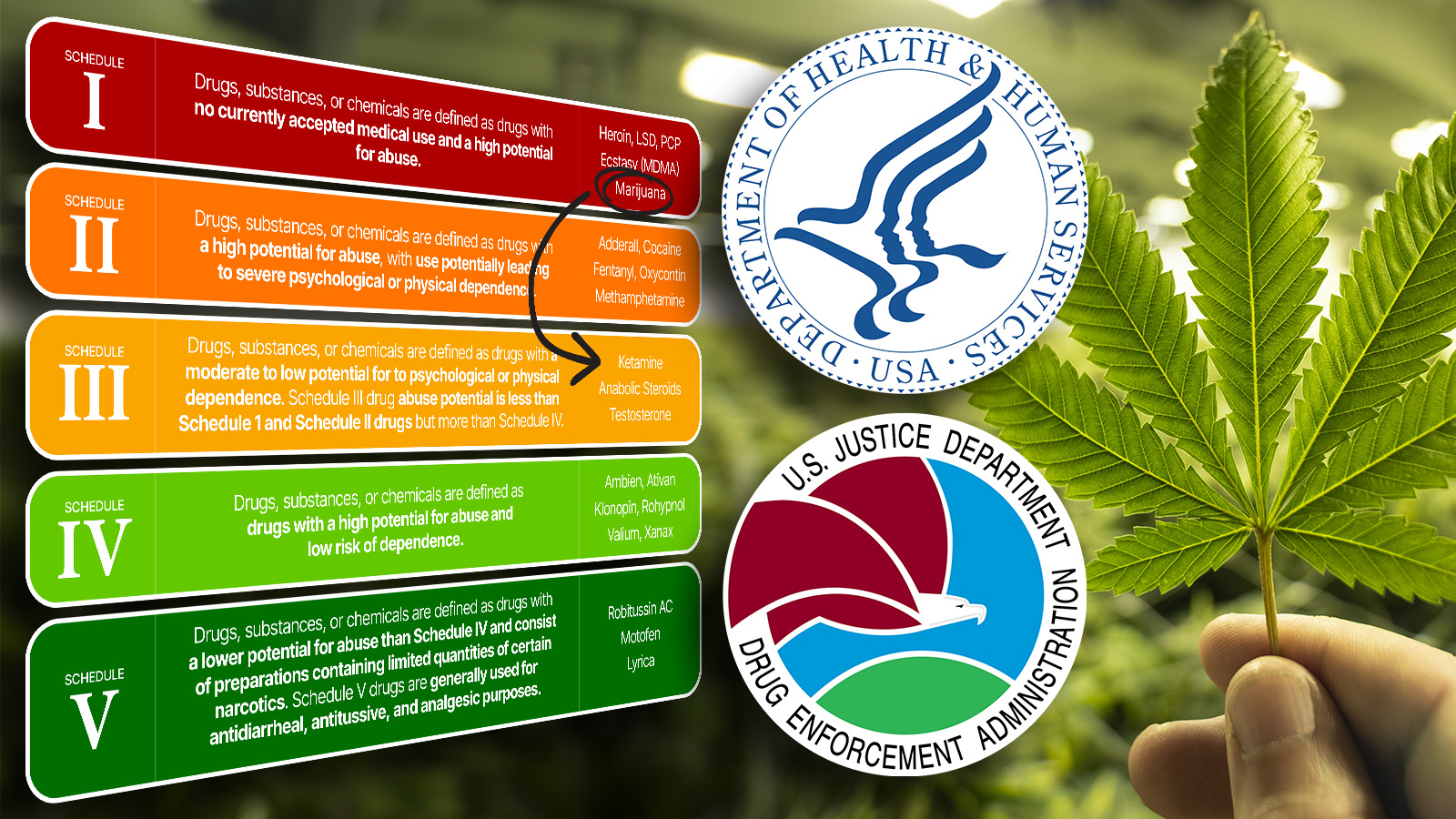
What is a Schedule 3 Drug?
When discussing the classification of various substances, the term “Schedule 3 drugs” often surfaces, prompting many to ask, what is a schedule 3 drug? The term refers to a category of drugs defined by the Controlled Substances Act in the United States, which categorizes drugs based on their potential for abuse, medical use, and safety. Schedule 3 drugs are considered to have a moderate potential for abuse relative to drugs classified as Schedule 1 or Schedule 2.
Characteristics of Schedule 3 Drugs
Schedule 3 drugs include medications that are used for medical purposes but can also lead to physical dependence or high psychological dependence. Examples include anabolic steroids, certain barbiturates, and products containing less than 90 milligrams of codeine per dosage unit. The regulation of these substances means that while they can be prescribed, there are strict guidelines governing their distribution and use.
The Legal Landscape of Schedule 3 Drugs
The legal status of Schedule 3 drugs is crucial for healthcare providers, pharmaceutical companies, and patients alike. Understanding the implications of a drug being classified as Schedule 3 is essential for compliance and safe prescribing practices. The legal framework means that while these drugs can be prescribed by a licensed practitioner, they are subject to varying levels of scrutiny and control.
Implications of Downgrading Substances
Recently, there has been significant discussion around the potential downgrading of marijuana to a Schedule 3 drug, as highlighted in an article from McAfee & Taft. This shift could carry profound implications for various sectors, including healthcare, law enforcement, and the economy. If marijuana were reclassified, it could lead to increased research opportunities, a shift in policy regarding dispensaries and prescriptions, and a greater acceptance of cannabis-based treatments in the medical community.
Potential Benefits of Reclassification
Reclassification to Schedule 3 could unlock new avenues for research and development into cannabis-based therapies, allowing for more extensive clinical trials to establish efficacy and safety. This could potentially enhance the public perception of cannabis as a legitimate treatment option rather than a stigmatized substance.
Challenges of Schedule 3 Classification
While reclassifying marijuana may seem beneficial, it also presents challenges for stakeholders. For pharmaceutical companies, navigating the regulatory environment associated with Schedule 3 drugs can be complex. Moreover, healthcare providers must remain vigilant about the legal implications of prescribing these substances, ensuring they comply with federal and state laws which may vary significantly.
Case Studies: Schedule 3 Drug Usage
To better understand the practical implications of Schedule 3 classifications, we can look at several case studies. For instance, the therapeutic use of anabolic steroids in treating conditions like hypogonadism demonstrates the medical community’s response to the benefits and risks associated with these drugs. While the abuse of anabolic steroids remains a concern, their controlled use within a medical context showcases the balance between therapeutic benefits and potential for misuse.
Conclusion: Navigating the Complexities of Schedule 3 Drugs
In conclusion, understanding what is a schedule 3 drug is essential not only for healthcare providers but for business leaders in the pharmaceutical and research sectors. The ongoing discussions surrounding the reclassification of certain substances, particularly marijuana, highlight the dynamic nature of drug policy and its wide-reaching implications. By staying informed about these developments, industry professionals can better navigate the complexities of drug regulations and make informed decisions in their business practices.