

Understanding Iran and Khamenei’s Influence: A Comprehensive Overview
In recent times, the political landscape of Iran, under the leadership of Supreme Leader Ayatollah Ali Khamenei, has become a focal point of international discussion. This blog post delves into the intricate dynamics of Iran’s political environment and the implications of Khamenei’s leadership on both domestic and international fronts. From addressing sanctions to military confrontations, Khamenei’s policies significantly shape Iran’s trajectory in the global arena.
The Role of Ali Khamenei
Ali Khamenei has held the position of Supreme Leader of Iran since 1989, succeeding the founder of the Islamic Republic, Ayatollah Ruhollah Khomeini. Khamenei’s rule has been marked by a series of critical decisions that have impacted Iran’s political structure and its relations with other nations, particularly the United States and Israel. As the highest-ranking political and religious authority in Iran, Khamenei plays a pivotal role in shaping the country’s foreign policies, military strategies, and domestic governance.
Domestic Policies and Governance
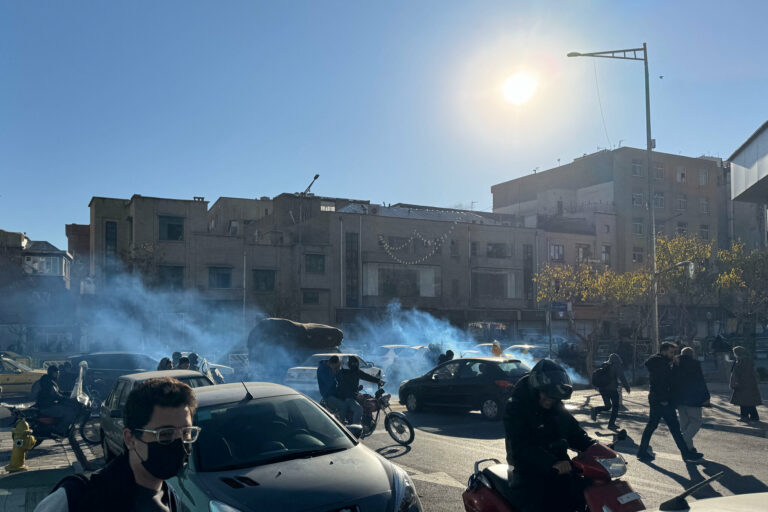
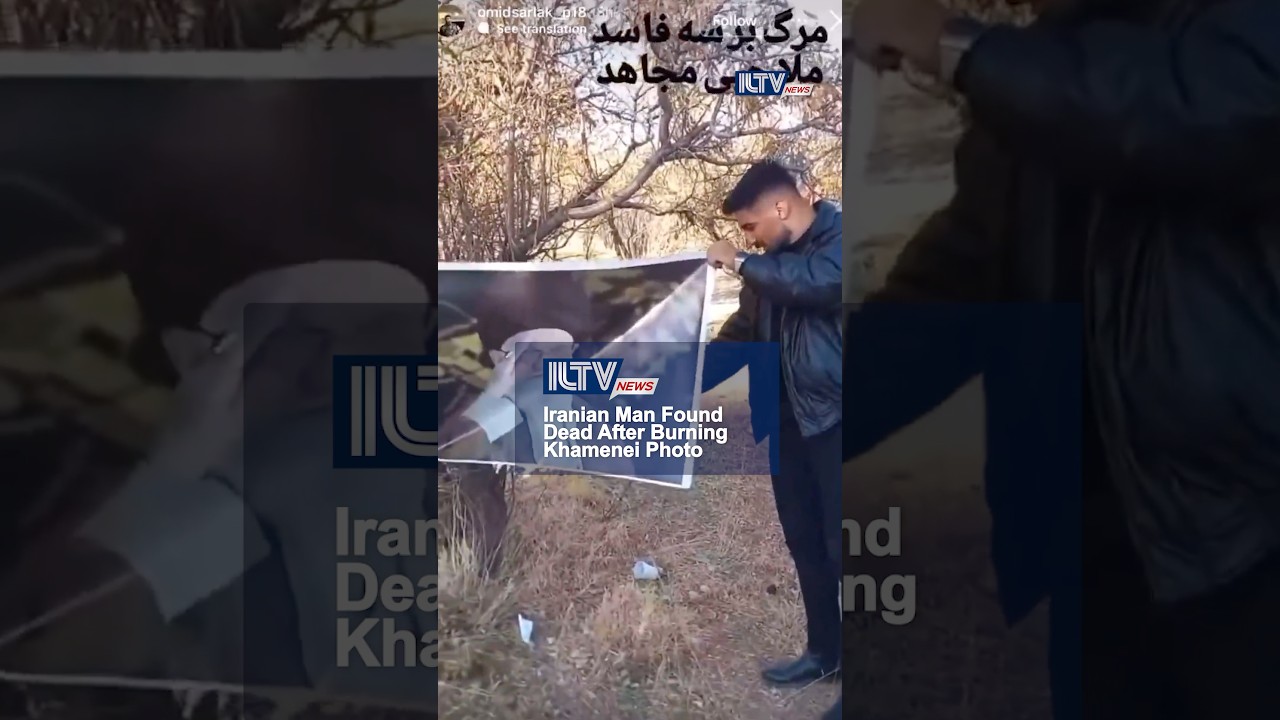
Khamenei’s governance is characterized by a firm grip on power that suppresses dissent and promotes theocratic principles. His administration has often utilized state resources to maintain control over political expressions and reformist movements, leading to widespread protests and calls for political reform. The Iranian populace’s response to Khamenei’s policies highlights the ongoing struggle for democratic freedoms amidst a backdrop of authoritarian rule.
International Relations and Conflicts
In the international arena, Khamenei’s leadership has been marked by a contentious relationship with the United States and its allies. The fallout from the 1979 Islamic Revolution created a rift that has shaped U.S.-Iran relations for decades. Khamenei’s rhetoric often emphasizes resistance against U.S. influence in the Middle East, resonating with many in a region long affected by foreign interventions.
In recent interactions, Khamenei’s response to U.S. airstrikes on Iran’s nuclear facilities has been notably defiant. He has downplayed the effectiveness of these strikes, asserting that Iran’s nuclear program remains intact and continues to develop secretly (BBC). His statements often underscore Iran’s commitment to its nuclear ambitions, contributing to the anxiety surrounding its potential military capabilities.
The Recent Israel-Iran Tensions
The tensions between Iran and Israel have escalated significantly under Khamenei’s leadership, particularly highlighted by military confrontations. Following a series of conflicts, including direct military engagements, former Israeli defense officials have articulated extreme views about Khamenei’s role, calling for his elimination to ensure regional security (Iran International). This intensifying rhetoric illustrates the stakes involved in the ongoing conflict as both nations seek to assert their influence in the region.
Khamenei’s Defensive Posture
In response to perceived threats, Khamenei has fortified Iran’s military capabilities, establishing a robust defense strategy. His emphasis on military preparedness reflects a longstanding belief that external threats necessitate a strong internal response. Reports indicate that Khamenei has established contingency plans for succession within the military, ensuring stability amidst external pressures (The New York Times).
A Critical Analysis of Khamenei’s Strategies
Khamenei’s strategic decisions often reflect a dual approach of deterring adversaries while simultaneously reinforcing his domestic authority. His negotiation tactics during periods of sanctions and diplomatic engagements reveal a complex interplay between assertiveness and the need for strategic concessions. The sanctions imposed by the U.S. on Iran have spurred Khamenei to seek partnerships with regional allies, which has changed the landscape of Middle Eastern geopolitics.
The Economic Implications of Sanctions
The economic ramifications of sanctions on Iran have had profound effects on the nation’s economy. Khamenei has adapted to these pressures by promoting self-sufficiency and advocating for a reduction in dependence on foreign goods. Despite these efforts, the Iranian populace continues to face significant economic hardships, prompting widespread dissatisfaction that occasionally translates into public protests against the government.
Conclusion: The Future of Iran Under Khamenei
As we look to the future, the leadership of Ayatollah Khamenei presents several challenges and uncertainties. His approach to governance, characterized by a blend of strict religious adherence and calculated political maneuvering, indicates that Iran will continue to play a contentious role on the global stage. Understanding Khamenei’s strategies and the underlying ideologies that drive them is essential for comprehending the complexities of Iran’s domestic and international landscape.
In conclusion, Khamenei remains a central figure in shaping Iran’s destiny, influencing everything from domestic policies to international alliances. The evolving dynamics within Iran, particularly in relation to the United States and Israel, will continue to attract global attention as we navigate an increasingly interconnected world.