


What is an Extreme Cold Watch?
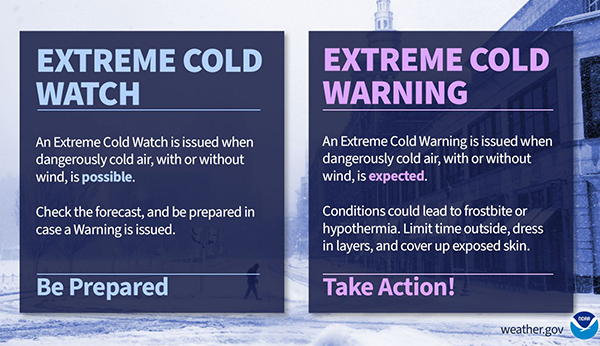
An Extreme Cold Watch is a weather advisory issued by the National Weather Service when conditions are expected to be dangerously cold. Typically, this happens when temperatures drop significantly below freezing, creating a risk of frostbite and hypothermia. Understanding the implications of an Extreme Cold Watch is essential for individuals and businesses alike, especially HR professionals and business leaders who need to ensure the safety of their employees during severe weather.
Why Should You Care About Extreme Cold Watches?
Extreme cold can adversely affect your health, but it also has substantial implications for business operations. When temperatures plummet, workplaces can face safety hazards, increased absenteeism, and logistical challenges. Therefore, it’s crucial to be vigilant about weather advisories and to implement proactive measures. Employers can assist their workforce by providing relevant information and resources, ensuring that employees know how to prepare and respond.
Key Guidelines to Follow During an Extreme Cold Watch
Here are several important steps you can take to ensure safety and preparedness during an Extreme Cold Watch:
- Stay Informed: Regularly check local weather updates and advisories from trusted sources like the National Weather Service. These updates can provide critical warnings about temperature drops or changes in weather conditions.
- Dress Appropriately: Encourage employees to wear appropriate layers of clothing to protect against frostbite and hypothermia. Clothing should be insulated, waterproof, and windproof where possible.
- Develop a Cold Weather Action Plan: Have an established plan that outlines procedures for notifying staff about severe weather, managing operations, and where to seek shelter if required.
- Provide Resources: Make sure that employees have access to resources such as heating stations or warm equipment in the workplace.
Impact on Business Operations
Extreme cold can significantly disrupt business operations. Some potential effects include:
- Employee Health Risks: Increased risk of injuries such as frostbite among employees who are not adequately protected.
- Logistical Challenges: Cold weather can affect transportation delays, supply chain interruptions, and overall productivity.
- Heating Costs: Businesses may experience higher heating costs or equipment failures due to extreme cold conditions.
Being proactive and taking appropriate measures can mitigate these impacts and protect employees from harm.
Preparing Employees for Extreme Cold Conditions
As HR professionals and business leaders, it’s your responsibility to ensure your workers are prepared for extreme cold. Here’s how you can help:
- Conduct Training Sessions: Offer training on recognizing cold exposure symptoms and safe practices during severe weather.
- Promote Health and Wellness: Encourage employees to take care of their health, ensure they know about local resources, and provide flexibility during extreme weather.
- Implement Remote Work Policies: When applicable, encourage remote work during extreme cold situations to ensure safety while maintaining productivity.
The Importance of Communication
Effective communication is critical during an Extreme Cold Watch. Ensure that all employees receive updates through multiple channels, whether through email, text alerts, or official company announcements. Communication should include:
- Details about the weather forecast
- Instructions for reporting to work or working from home
- Safety measures that need to be followed during the cold
Conclusion
An Extreme Cold Watch is a significant advisory that demands attention from individuals and companies alike. Understanding the implications of such weather conditions is essential not only for employee safety but also for maintaining business continuity. By taking proactive measures—informing, preparing, and communicating—you can ensure that both employees and operations are safeguarded against the risks posed by extreme cold weather. For more information about safety during cold weather conditions, visit the National Weather Service.