

Understanding Blizzard Warnings: What HR Professionals and Business Leaders Need to Know
In recent years, extreme weather events have become increasingly common, with blizzards being particularly disruptive. As a business leader or HR professional, understanding blizzard warnings and their implications can help you better prepare for and respond to severe weather situations. In this blog post, we will explore the ins and outs of blizzard warnings, their impact on business operations, and how effective communication can ensure the safety of your employees.
What is a Blizzard Warning?
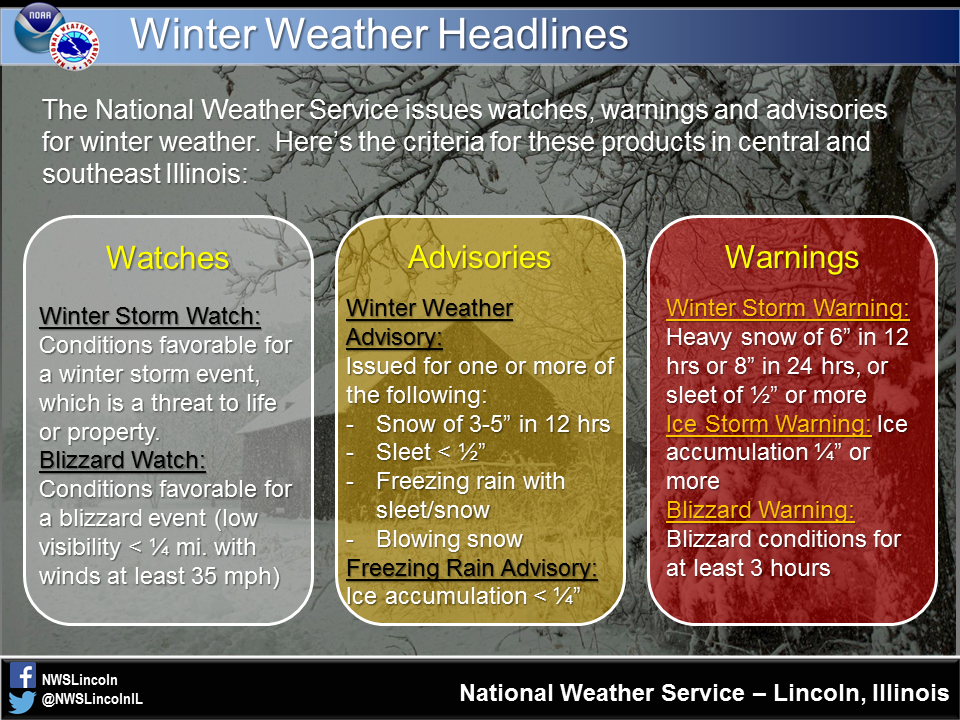
A blizzard warning is issued by the National Weather Service (NWS) to alert the public of an upcoming severe winter storm that will bring strong winds, heavy snowfall, and low visibility conditions. According to the National Weather Service, a blizzard is defined by three specific criteria: a minimum of 35 mph winds, visibility of less than 1/4 mile due to falling or blowing snow, and these conditions lasting for at least three hours. When you receive a blizzard warning, know that these conditions pose serious risks and require immediate action.
Why Monitoring Blizzard Warnings is Essential for Businesses
The impact of a blizzard on business operations can be profound. Here are several reasons why it’s crucial for companies to monitor blizzard warnings:
- Workforce Safety: The primary concern during severe weather conditions should always be the safety of employees. As an HR professional, it’s your responsibility to create safe working environments, and understanding weather alerts can help you make informed decisions about closures, remote work policies, and employee safety protocols.
- Operational Continuity: Blizzard conditions can disrupt daily operations, affecting supply chains, transportation, and service delivery. Proactively managing these disruptions can minimize downtime and financial losses. It’s essential to have contingency plans in place, which may include shifting to remote work if necessary.
- Employee Communication: Clear communication during blizzard warnings is vital to ensuring employees are informed about potential disruptions. You should provide timely updates on company operations, weather alerts, and safety instructions through multiple channels, such as emails, texts, and your company’s internal communication platforms.
Preparing for a Blizzard: Action Steps for HR Professionals and Business Leaders
Preparation is key when it comes to blizzard conditions. Here are several action steps to consider:
Create a Blizzard Action Plan
Your business should have a formal action plan in place for blizzard conditions. This plan should include:
- Contact information for all employees and stakeholders.
- Guidelines for remote work protocols.
- Instructions for safe travel during severe weather.
- Emergency contacts and resources.
Utilize Technology for Efficient Workflow Management
Tools that improve workflow management—like n8n—can help automate business processes, ensuring that essential operations continue even during adverse weather conditions. For example, if you foresee blizzard conditions affecting your operations, you can use n8n to:
- Automate notifications and updates to employees.
- Manage schedules efficiently, including automatic adjustments for remote work.
- Ensure real-time data flow for decision-making to avoid backlash on your operations.
Stay Informed with Reliable Sources
Always stay updated on the latest weather forecasts through reputable sources. Use the following resources to monitor blizzard warnings:
- National Weather Service
- Local news stations and their online platforms
- Weather applications that provide real-time alerts
Implementing Remote Work Strategies During Blizzard Conditions
With the rise of remote work due to the COVID-19 pandemic, businesses have adopted flexible policies that can be crucial during blizzards. Here are some strategies:
- Set expectations for remote work during severe weather, including clear communication on work hours and responsibilities.
- Provide employees with the necessary tools and resources they need to work effectively from home, such as VPN access and communication software.
- Check in regularly with employees to gauge how they’re managing their workloads and well-being during extreme weather.
Conclusion: Proactive Measures Lead to Safer Workplaces
In summary, understanding blizzard warnings and their implications is crucial for HR professionals and business leaders alike. By adopting proactive measures, such as preparing an action plan, utilizing technology for workflow automation, and implementing effective communication strategies, businesses can mitigate the impacts of severe weather conditions on operations. The next time you receive a blizzard warning, you’ll know how to respond effectively to ensure the safety of your workforce and maintain business continuity.
For further information on blizzard warnings, visit the National Weather Service today and stay safe this winter season!